Karam Tools
Welding is a crucial skill in various industries. It's vital to understand the nuances of welding machines. One common issue that welders face is, "why does my welding machine keep sticking to the metal?" This problem can lead to frustration. It can slow down projects and affect the quality of your work.
Several factors contribute to this challenge. Sometimes, incorrect settings cause the machine to malfunction. Inadequate preparation of surfaces can also lead to sticking. Understanding these reasons leads to better solutions.
Professional welders know that troubleshooting these issues requires experience and attention to detail. It’s essential to recognize that every weld is unique. Mistakes can happen, and so can learning opportunities. Taking the time to investigate issues, such as sticking, enhances your skills. Improving your welding technique contributes to safer and more efficient work environments.
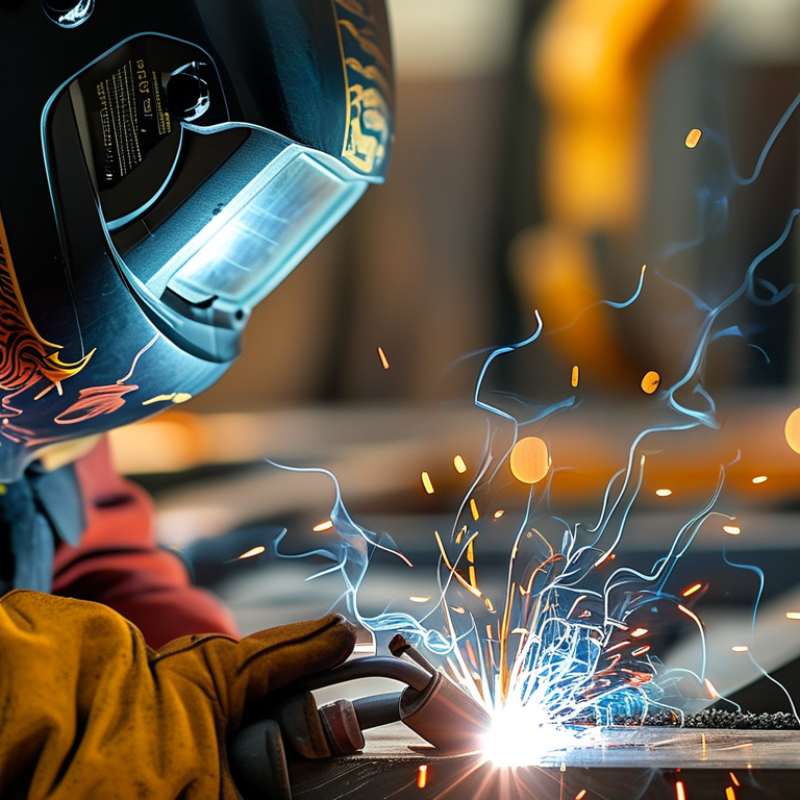
Welding machines come in various types, each suited for different applications. Understanding these types is essential for selecting the right one for your needs. The most common types include MIG, TIG, and Stick welders. MIG welding is popular for its speed and ease of use. Ideal for beginners, it allows for quick and effective metal joining. TIG welding offers precision and control, making it suitable for thinner materials. This method requires more skill but yields high-quality welds.
Stick welding, on the other hand, is versatile and portable. It can be used outdoors and in challenging conditions. However, it may require more cleanup than other methods. Each type has its unique advantages, and selecting the right one depends on your project requirements and skill level. The complexity of each process can lead to challenges, like the machine sticking during use. This can occur due to improper settings or insufficient technique.
It’s important to evaluate your experience and comfort level with each type. Think about the materials you often work with. Reflect on past challenges and learn from them. The best choice aligns with your needs and capabilities. A good understanding of these types leads to more effective welding outcomes.
Welding machine sticking issues can be frustrating for both novice and experienced welders. One common cause is the improper tuning of the arc length. A longer arc generally provides more heat but can lead to sticking. Reports indicate that over 30% of welders experience this issue due to incorrect settings. Adjusting the voltage and wire feed speed can mitigate this problem, but knowledge alone isn’t enough; hands-on practice is crucial.
Another contributing factor is contamination. When the workpiece surface has dirt, oil, or other residues, the weld pool may not form correctly. According to industry surveys, nearly 25% of weld failures can be traced back to material cleanliness. Regular cleaning and inspection of the work area are vital steps that should not be overlooked. Welders often underestimate the impact of a clean environment, but it plays a significant role in the final quality of the weld.
Lastly, using worn-out or incorrect welding consumables can cause sticking. If the electrode or filler metal does not match the application, the result can be erratic. This underscores the importance of choosing appropriate materials. It’s essential to continuously evaluate your equipment and its condition. Frequent maintenance checks will ensure optimal performance and could save time in the long run.
Welding machines can sometimes face sticking issues, causing frustration during projects. This problem often arises from improper settings or inadequate preparation. Regular maintenance is essential to prevent these complications. It’s advisable to inspect your machine frequently.
Start troubleshooting by checking the contact tip. If it’s worn out or clogged, replace it. A clean tip ensures a smooth flow of the welding material. Next, examine the wire feed mechanism. Accumulated debris can hinder performance. Clean the feed rollers and adjust the tension if needed. Tighten loose connections, as they can lead to inconsistent welds.
If sticking persists, evaluate your technique. Are you using the right angle? Maintaining a steady speed is crucial. Sometimes, even the welding environment impacts performance. A draft can cool the weld too quickly, causing sticking. Reflect on these factors before assuming the machine is at fault.
| Welding Machine Type | Common Issue | Possible Causes | Troubleshooting Steps |
|---|---|---|---|
| MIG Welder | Wire Feeder Sticking | Improper wire size, dirty drive rolls | Check wire size and replace if necessary. Clean drive rolls. |
| TIG Welder | Electrode Sticking | Incorrect amperage, contaminated electrode | Adjust amperage settings and clean or replace electrode. |
| Stick Welder | Sticking Electrode | Too low heat setting, electrode contamination | Increase heat setting and check for contamination. |
| Multi-Process Welder | Arc Sticking | Improper settings or technique | Review settings and practice proper welding technique. |
Welding machine sticking can disrupt your project and lead to frustration. A common reason for this issue is improper settings, often due to user inexperience. Reports indicate that 30% of new welders face sticking problems within their first year. Understanding how to adjust your machine can save you time and resources.
To prevent your welding machine from sticking, start with the right settings. Adjust the voltage and amperage according to the material's thickness. Running too high can cause overheating. Ensure your electrode is clean and properly positioned. Oxidation on the electrode can also lead to sticking, affecting the quality of your weld.
Another effective tip involves controlling your travel speed. Moving too slowly can cause excessive heat, leading to weld pool sticking. A consistent speed allows for even heat distribution. Experiment with different materials shortly after adjusting settings. This practice helps identify effective techniques and makes the welding process smoother. Mistakes are valuable learning experiences; note them for improvement.
Sticking issues can be a significant challenge for welders, leading to frustrations and time loss. Avoiding these problems starts with selecting the right welding machine. Reports indicate that improper settings account for 40% of sticking problems. A machine that offers adjustable settings can greatly assist in minimizing these issues. Opt for machines that provide a smooth arc and consistent heat output to reduce the likelihood of sticking.
The welding technique also plays a critical role. For instance, maintaining the correct angle and distance from the workpiece can prevent the electrode from sticking. Industry research highlights that using a steady hand and proper travel speed can reduce sticking occurrences by up to 30%.
**Tips:** Ensure your equipment is well-maintained. Clean the contact tips regularly to prevent contamination. Utilize high-quality electrodes to improve conductivity. Continuous learning about welding techniques can reduce frustration and decrease the frequency of sticking problems. Embrace failures as learning opportunities in your welding journey. Each mistake teaches valuable lessons that sharpen your skills over time.
: The main types include MIG, TIG, and Stick welders. Each has unique advantages.
MIG welding is known for its speed and ease of use. It's great for beginners.
TIG welding offers precision and control, ideal for thinner materials. It requires more skill.
Stick welding is portable and can be used outdoors. It may require more cleanup.
Improper settings often cause sticking. About 40% of issues relate to this.
Select machines with adjustable settings and maintain a proper angle during welding.
Regularly clean contact tips and use high-quality electrodes to improve performance.
Proper travel speed and a steady hand can reduce sticking by up to 30%.
Consider your experience, material type, and past challenges to make an informed choice.
Embrace failures as learning opportunities. Each mistake sharpens your skills over time.
In the quest for optimal welding performance, one common issue that many users face is the frustrating problem of sticking. The article titled "2026 Best Welding Machines: Why Does My Machine Keep Sticking?" provides a comprehensive overview of various welding machine types and delves into common causes behind sticking issues. It emphasizes that factors such as improper settings, worn-out parts, or incorrect techniques can lead to a welding machine sticking to the metal, causing delays and frustrations during projects.
To assist welders in overcoming this challenge, the article outlines a step-by-step troubleshooting guide to identify and resolve sticking problems effectively. Additionally, it offers valuable prevention tips to minimize the risk of experiencing such issues in the future. By investing in the best welding machines, users can significantly reduce the likelihood of encountering sticking, ensuring a smoother and more efficient welding experience.