As the welding industry evolves, selecting the right method for thin sheet metal becomes increasingly crucial. In 2026, many professionals will still ask: "What is the best welding technique for thin sheet metal?" The answer relies on advancements in technology and methods. Innovations such as laser welding, TIG, and MIG techniques have emerged, each with specific advantages.
Thin materials require precision. A slight mistake can lead to defects like burn-through or weak joints. Various factors, including the type of metal and thickness, influence your choice of technique. For some applications, MIG might offer speed, while TIG may provide a cleaner finish. Yet, neither is perfect for every situation.
Welding requires practice and a deep understanding of materials. Not every welder can master all techniques. Sometimes, trial and error leads to the best outcomes. Ultimately, the best technique might not be universal; it could vary depending on individual project requirements and experiences. This topic invites further exploration and discussion among welding professionals.
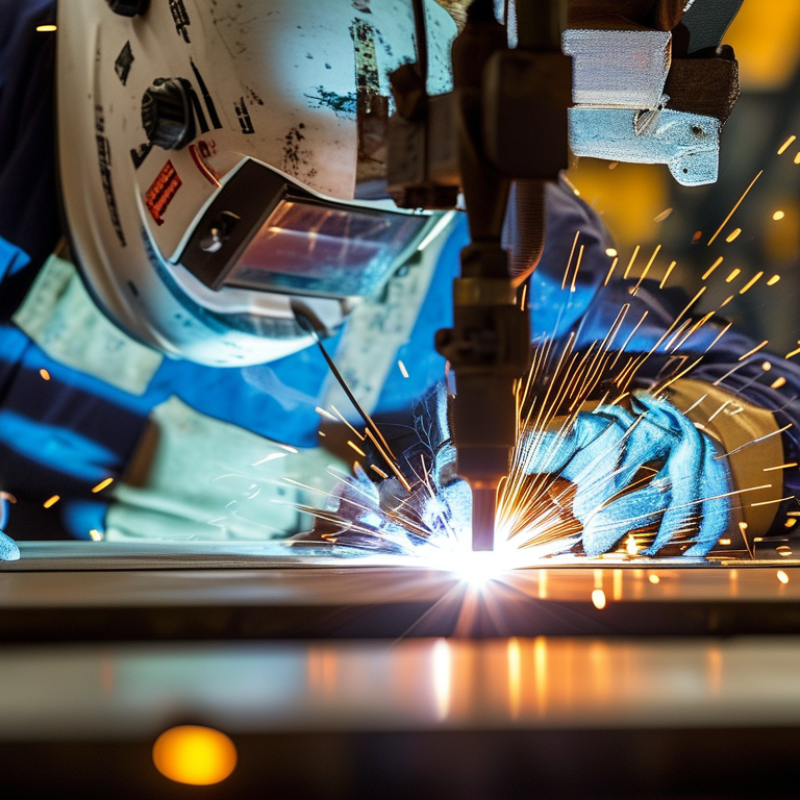
Overview of Welding Techniques for Thin Sheet Metal
Welding thin sheet metal presents unique challenges. As industry reports indicate, nearly 60% of welding defects stem from inappropriate techniques. Acceptable heat input and travel speed are critical factors in achieving quality welds. For instance, minimizing distortion is vital when working with metals thinner than 1/16 inch.
Gas tungsten arc welding (GTAW) is widely regarded for its precision in these applications. It allows for better control over heat, resulting in cleaner and more reliable welds. According to recent surveys, about 40% of fabricators prefer GTAW due to its adaptability. Nevertheless, it requires skilled operators who understand the nuanced interaction between arc stability and material thickness.
MIG welding is another popular choice, especially in high-volume production. Its speed is an advantage, yet it poses risks of burn-through. Inadequate settings can lead to weak joints, reflecting the need for careful calibration. A 2024 report from a welding research institute noted that improper MIG settings contributed to 30% of repairs needed in thin sheet projects. Both methods underline the need for ongoing training and practice in handling thin materials.
Advantages and Limitations of Common Welding Methods
Welding thin sheet metal requires a careful balance of technique and method. Each welding process has its own strengths and weaknesses. For instance, MIG welding is often favored for its speed and ease of use. This method offers a clean weld with minimal cleanup. However, it may struggle with thin materials, potentially leading to burn-through if not handled properly.
TIG welding, on the other hand, provides greater control. This method allows for precise heat application, making it ideal for delicate tasks. Yet, it demands more skill and time. Novice welders may find TIG welding challenging due to its technique complexity. Understanding these nuances is essential when deciding on a welding method.
Stick welding falls short for thin materials. It produces a heavy bead, often leading to distortion. For projects requiring finesse, it may not be the best option. Each technique must be chosen based on the specifics of the metal and the desired outcome. Reflecting on these factors is vital for achieving quality results in welding thin sheet metal.
Best Welding Technique for Thin Sheet Metal in 2026? - Advantages and Limitations of Common Welding Methods
| Welding Method |
Advantages |
Limitations |
| MIG Welding |
High speed, good for thin metals, versatile. |
Less effective in windy conditions, needs clean surfaces. |
| TIG Welding |
High precision, great control over heat and filler material. |
Slower process, requires more skill, more expensive. |
| Spot Welding |
Quick, useful for joining thin sheets. |
Limited to overlapping joints, depth of penetration can be an issue. |
| Laser Welding |
Very high precision, minimal thermal distortion. |
High initial setup cost, requires specialized equipment. |
| Plasma Arc Welding |
Can weld thin materials quickly and accurately. |
Complex setup, training required for effective use. |
Emerging Technologies Shaping Welding Practices in 2026
In 2026, the welding industry is witnessing significant advancements. Technologies like laser welding and hybrid welding are gaining traction. These methods are ideal for thin sheet metal, providing precision and speed. According to a recent industry report, the adoption of laser welding could increase by 50% in sectors like automotive and aerospace. This eliminates the risk of warping, which is common with traditional techniques.
Robotic welding systems are becoming more sophisticated, too. They offer improved repeatability and efficiency. Data suggests that companies using robotic welding see a 30% rise in productivity. However, not all manufacturers are ready to embrace these changes. Some still rely on outdated methods that may compromise quality. This highlights a gap in training and knowledge within the industry.
As these technologies evolve, the importance of skilled operators will remain. There is a noticeable skill gap that needs addressing. While automated processes can enhance production, human oversight is crucial for quality control. The blend of technology and skilled labor will shape the future of welding practices for thin materials.
Best Practices for Welding Thin Sheet Metal Successfully
When welding thin sheet metal, the right technique can make a significant difference. Understanding heat control is crucial. Using too much heat can warp the material, leading to distorted shapes. Consider using a lower amperage setting. This helps you minimize heat input. A quicker travel speed may also aid in reducing heat effects.
Filler material selection plays a key role. A thin gauge wire can help ensure better penetration and less chance of burn-through. Gas flow rate is another detail that shouldn’t be overlooked. An improper flow can lead to contamination, which weakens weld integrity.
Practice is essential for mastering thin sheet welding. Test your technique on scrap pieces first. This allows for adjustments without risking the final product. Mistakes will happen, and that’s part of the learning curve. Each weld provides a chance to refine your method. Mastering these details requires attention and patience, but the results will be rewarding.
Future Trends in Welding Materials and Techniques for Thin Metals
The landscape of welding techniques for thin sheet metal is evolving rapidly. In 2026, laser welding is forecasted to become increasingly popular. This method offers precision and minimizes heat input, crucial for thin materials. Welders can expect improved control over the welding process, which reduces distortion in delicate metals. However, the high initial investment in equipment continues to be a barrier for many.
Another promising trend is the use of advanced filler materials. These innovative materials can provide better fusion and strength without adding bulk. The development of materials that adapt to various substrate types enhances versatility. However, one must consider the compatibility of these fillers with existing techniques. Finding the right balance between strength and weight remains a challenge for many welders in the industry.
Furthermore, automation is transforming welding processes. Robotic systems can deliver consistent results across multiple welds. Such technology can free skilled welders to focus on more complex tasks. On the other hand, training remains an issue. Many professionals must update their skills to adapt to these changes. Keeping pace with technological advancements is vital for staying relevant in the field.
FAQS
: Laser welding offers precision and speed, ideal for thin sheets. Its use could increase by 50% in specific sectors.
Companies using robotic welding experience a 30% rise in productivity. However, readiness among manufacturers varies widely.
Traditional methods risk compromising quality and may lead to warping in thin materials. This highlights a training gap.
Despite automation, skilled operators are crucial for quality control. Human oversight ensures high standards are maintained.
These materials improve fusion and strength without extra weight. However, compatibility with existing techniques must be assessed.
High initial equipment costs hinder many welders from adopting advanced methods like laser welding. This is a common concern.
Automation allows skilled welders to focus on complex tasks. But many must update their skills to keep pace.
A noticeable skill gap exists, as many professionals struggle to adapt to evolving technologies. Training is essential for relevance.
The trend leans heavily towards laser welding. It minimizes heat input, reducing distortion in delicate metals.
Finding the right balance between strength and weight is challenging. Adapting new materials requires careful consideration.
Conclusion
In the pursuit of determining what is the best welding technique for thin sheet metal in 2026, a comprehensive overview of existing welding methods reveals several key options tailored for this delicate material. Techniques such as MIG and TIG welding stand out due to their precision and ability to minimize distortion. However, each method comes with its own advantages and limitations, requiring careful consideration based on project requirements and material characteristics.
Additionally, emerging technologies are rapidly shaping the welding landscape, introducing innovative practices that enhance efficiency and quality. Best practices for welding thin sheet metal emphasize pre-welding preparation, proper settings, and techniques to avoid warping or burn-through. Future trends indicate a shift towards advanced materials and techniques that promise greater control and improved outcomes in welding thin metals, setting the stage for more refined applications in the industry.
 Karam Tools
