Karam Tools
Choosing the right speed for router bits when working with MDF can significantly impact the quality of your project. MDF (Medium Density Fiberboard) is a popular material among woodworkers due to its smooth surface and versatility. Understanding "what speed should I run my router bit for MDF" is crucial for achieving clean cuts and reducing the risk of burning or chipping.
Many factors influence the ideal router bit speed, such as the bit design, diameter, and the specific router used. It's easy to overlook these variables, but they can drastically affect your results. Generally, a higher speed works best for smaller bits, while larger bits perform better at reduced speeds. This indicates a need for careful experimentation to find the sweet spot.
You might encounter issues even after selecting what seems like the correct speed. Each piece of MDF can react differently, and what works perfectly for one project may not yield the same results for another. Monitoring your cuts closely will help identify the necessary adjustments. Seeking advice from experienced woodworkers can also provide insights. Ultimately, mastering router bit speed involves both knowledge and hands-on practice.
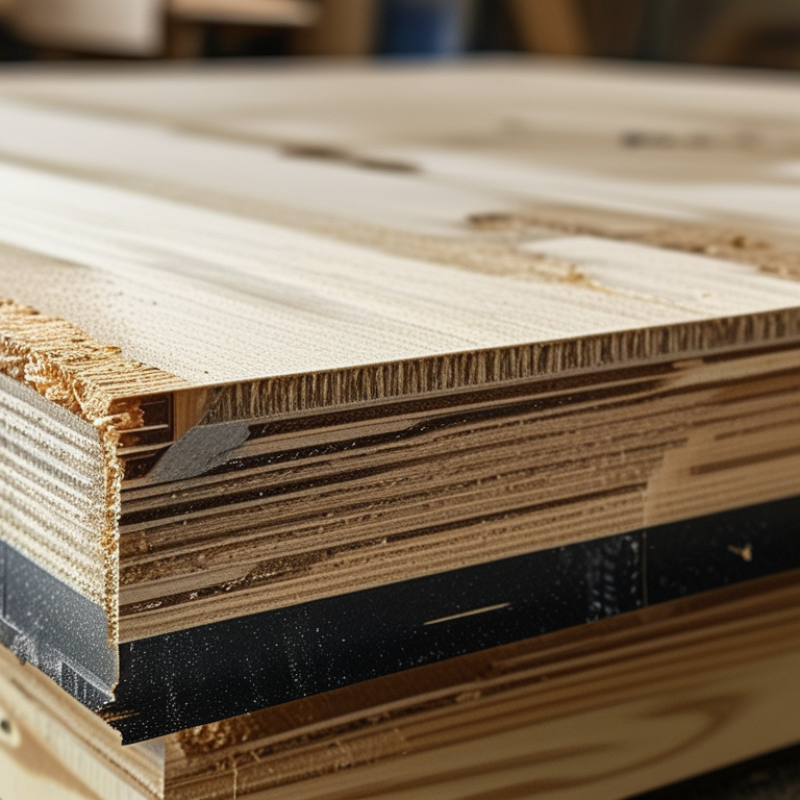
Router bits are essential tools for woodworking, especially when working with MDF. Understanding their types and characteristics can significantly impact the quality of your cuts. Common types include straight bits, spiral bits, and flush trim bits. Each type serves a different purpose, reflecting its design and functionality. For instance, spiral bits produce a cleaner cut, reducing the risk of chipping.
When selecting a router bit, consider the material and desired outcome. The sharpness of the bit is crucial for effective performance. A dull bit can cause rough edges and make the process more challenging. Understand that not all bits handle MDF the same way. Test different options to see which yields the best results for your projects.
Tips for achieving optimal performance with router bits include maintaining proper speed settings. Increasing the RPM can lead to overheating, especially with MDF. Start at a lower speed and gradually increase it to find the right balance. Always ensure that the bit is securely attached before use. Inconsistent handling may lead to accidents or undesirable finishes. Remember, the right bit and settings can enhance your woodworking experience significantly.
When working with MDF, choosing the right speed for router bits is crucial. Various factors influence speed settings, including bit type, thickness of the material, and the quality of the cut desired. It is essential to understand that not every bit will perform optimally at the same speed. For instance, larger bits generally require slower speeds to prevent overheating and ensure a clean cut.
Density and moisture content in MDF can also affect cutting efficiency. High-density MDF may need more power and a slower feed rate. If the moisture content is higher, you might notice splintering or burning. Balancing speed and feed rate is not always straightforward. Perform test cuts to find the optimal settings for your specific application.
Tips: Always start with a lower speed and gradually increase it. This method allows for adjustments based on feedback from the material. When in doubt, consult resources from woodworking experts. Ensure your bits are sharp; dull bits can lead to poor results and increased friction. Stay aware of any changes in the sound of the router, as it often indicates the need for speed adjustment.
When working with MDF, selecting the right RPM for router bits is crucial. Different bits require different speeds to operate effectively. Generally, larger bits need slower RPMs, while smaller bits can run faster. For example, straight bits can typically operate between 16,000 to 22,000 RPM. Yet, always check the bit specifications to confirm the optimal speed.
Tips: Use a speed tester to ensure your router matches the bit requirements. This ensures smooth cuts and prevents overheating. Pay attention to the sound of the router; a change in pitch can indicate a problem.
For raised panel bits, a slower speed of around 10,000 to 15,000 RPM is often recommended. This helps prevent chip-out and ensures the edges are clean. However, don't hesitate to experiment. If the cut isn't satisfactory, adjust the speed slightly and observe the results. Sometimes, minor speed changes can yield better finishes.
Remember to maintain a steady feed rate as well. Too fast can lead to burning the MDF, while too slow may create excess friction. Finding that balance takes practice, and every project is a chance to refine your technique. Experimentation is key in this craft.
When working with MDF, achieving the optimal speed for router bits can be tricky. Testing different speeds is essential for finding the right balance. Start by using a medium speed as your baseline. This helps ensure that the bit cuts efficiently without burning the MDF or causing excessive wear.
To test the speed, make short passes and examine the cut quality. Look for signs of burning or chipping. If the edges are smooth, the speed may be suitable. Otherwise, adjust the speed incrementally. It may take several attempts to find the sweet spot.
Pay attention to the sound of the router as well. A consistent hum indicates a steady speed, while changes in pitch can signal a need for adjustment. Don’t be discouraged if initial tests are not perfect. Each trial provides valuable insights. Adjustments based on real-world results will lead to better outcomes in future projects.
Setting the correct router speed for MDF is crucial, yet many woodworkers make common mistakes. One common issue is selecting speeds that are too high. MDF is dense and requires slower speeds to avoid burning. Industry reports indicate that a speed between 18,000 to 22,000 RPM is usually effective. This range minimizes heat buildup and maximizes cut quality.
Another mistake involves ignoring the bit size. Larger bits often need lower speeds to operate efficiently. For example, a 1-inch bit might require speeds closer to 12,000 RPM. This approach helps prevent excessive stress on both the bit and the material. Neglecting to consider the bit diameter can lead to poor performance and frustration.
Additionally, not adjusting speed for different router bits can cause problems. Each bit has unique characteristics that affect its ideal working speed. The right speed can improve the lifespan of the tool. If adjustments for material type and bit size are ignored, it can result in burn marks or chipping. Reflecting on personal experiences can help identify these pitfalls. Understanding the balance between speed and efficiency is essential for successful routing on MDF.
: Common types include straight bits, spiral bits, and flush trim bits. Each type serves a specific purpose.
A sharp bit ensures clean cuts. Dull bits can cause rough edges and make work harder.
Start with a medium speed. Make short passes to assess cut quality.
If you see burning or chipping, lower the speed and retest the cut quality.
A securely attached bit prevents accidents and ensures better finish quality.
A consistent hum indicates steady speed. Changes in pitch may mean an adjustment is needed.
Initial tests offer insights. Use these to make adjustments for better outcomes in later work.
Consider the material and desired outcome. Not all bits work well with every material.
Yes, it may take several attempts. This is normal and part of learning.
Signs like burning or chipping suggest that the speed may need to be reduced.
Determining the right speed for router bits when working with MDF is crucial for achieving optimal results and avoiding damage to materials. The choice of router bits, along with their specific characteristics, can significantly influence the appropriate speed settings. Factors such as bit diameter, desired finish, and the type of cut being performed all play critical roles.
When asking, "what speed should I run my router bit for MDF," it is essential to refer to recommended RPM ranges tailored for different bit types. Techniques for testing and adjusting speed can help dial in the perfect setting, while avoiding common mistakes, such as starting with speeds that are too high, can lead to better performance and finish quality. Ensuring the correct speed not only enhances efficiency but also prolongs the lifespan of router bits.