Karam Tools Karam Tools

How to Determine When to Replace Your Diamond Cutting Disc?

Time:2026-07-12 Author:Oliver
0%

When it comes to maintaining efficiency in cutting tasks, knowing how to determine when to replace your diamond cutting disc is crucial. Industry reports suggest that worn discs decrease cutting precision, leading to subpar results. For example, a study by the International Diamond Tool Association states that a disc should be replaced once it loses 30% of its original thickness. This insight can save time and costs in long-term operations.

Expert Mark Jensen emphasizes the importance of monitoring wear: "Frequent checks and timely replacements can make a significant difference in productivity." His assertion underscores the need for users to stay vigilant. Ignoring wear indicators may lead to unexpected downtime and costly mistakes.

Visual cues are also necessary indicators. Chips or cracks on the disc’s surface can signify the end of its effective lifecycle. As users navigate these challenges, the question remains: how to know when to replace a diamond cutting disc effectively? Taking a proactive approach can prevent many common pitfalls in the cutting process.
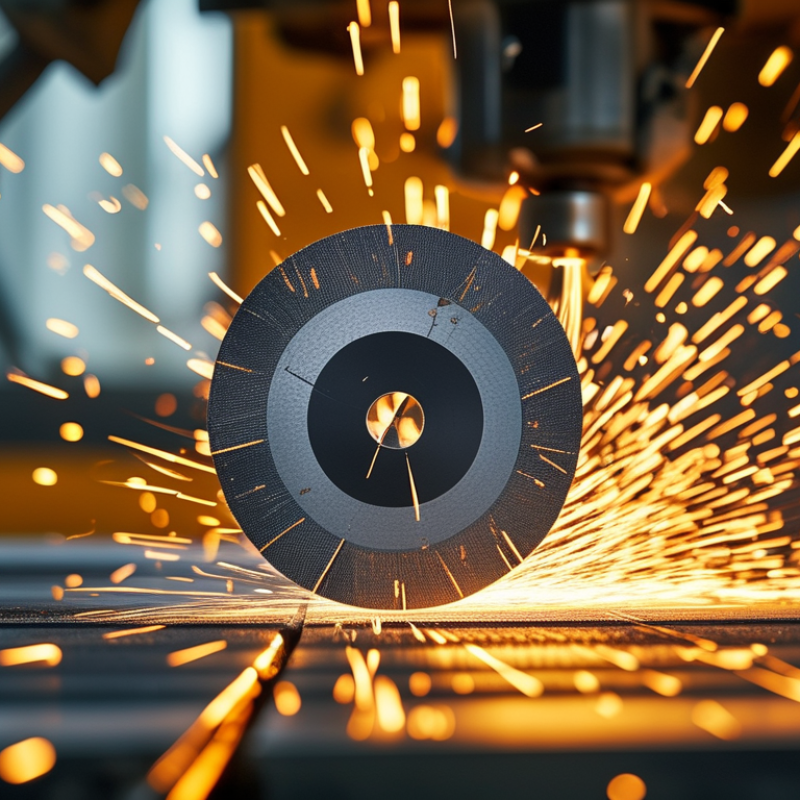
How to Determine When to Replace Your Diamond Cutting Disc?

Understanding Diamond Cutting Discs and Their Lifespan

Understanding diamond cutting discs requires knowledge of their structure and lifespan. These discs are made with synthetic diamonds, ideal for cutting stone and concrete. Research shows that the quality of diamonds, bonding agents, and manufacturing processes significantly affect lifespan. A well-made disc may last up to 100 cutting hours, depending on usage and material properties.

Typically, wear indicators on the disc surface reveal when it's time to replace the tool. Severely worn segments or noticeable cracks are signs of impending failure. One industry report indicates that improper handling can drastically reduce a disc's service life. Regular inspection is crucial for safety and efficiency, especially when working on large projects.

Factors such as the material being cut and the pressure applied will also influence lifespan. For instance, cutting harder materials like granite increases wear. Operators often push tools too hard, expecting faster results. This leads to premature wear and reduced performance. Monitoring usage and identifying signs of wear helps ensure optimal tool life and work quality.

Signs Indicating the Need for Replacement of Your Diamond Disc

When it comes to diamond cutting discs, recognizing when to replace them is crucial for efficiency and safety. One clear sign is the presence of visible wear and tear on the disc's surface. If you notice chipping or cracks, it's often time for a change. These imperfections can hinder the cutting process and potentially damage your workpiece.

Another indication is a decline in cutting performance. If you find yourself applying more pressure to achieve the same results, your disc may be losing its effectiveness. Cuts may become uneven or rough, suggesting that the diamond segments are worn down. Be attentive to sounds during operation as well; unusual noises often signal that the disc is no longer functioning optimally.

Frequent heat buildup is another red flag. An overheated disc can result in warping or sudden failure. Investing in a new diamond cutting disc when you witness these signs can save you from further complications. Trust your instincts; if something feels off, it probably is. Keeping an eye on these indicators can ensure a better cutting experience.

How to Determine When to Replace Your Diamond Cutting Disc?

This bar chart illustrates the common signs indicating when a diamond cutting disc should be replaced. The data reflects the severity of each sign, measured by occurrence or prevalence among users.

Factors Affecting the Wear of Diamond Cutting Discs

When using diamond cutting discs, several factors play a crucial role in their wear. Understanding these factors can help you determine when it's time to replace them. One primary factor is the material being cut. Harder materials can significantly increase the wear rate. For instance, cutting through reinforced concrete demands more from the disc than cutting through softer materials like drywall.

Another crucial aspect is the operational speed. Higher speeds often lead to faster wear. However, the balance between speed and efficiency is delicate. Pushing the disc too hard can lead to overheating, which may damage both the tool and the material. Additionally, the cutting technique can affect longevity. A steady, controlled motion typically results in even wear, while erratic movements can lead to uneven damage.

Environmental elements also contribute to wear patterns. Dust and debris can create additional friction, accelerating the disc's deterioration. If you notice poor cutting performance or a change in sound while using the disc, it may warrant further investigation. Regularly assessing the disc's condition is vital. Checking for visible signs of wear, such as a reduction in diamond exposure, can provide insights.

Best Practices for Maintaining Your Diamond Cutting Disc

Maintaining a diamond cutting disc is crucial for optimal performance. Regular checks can enhance its lifespan. Visual inspections reveal wear and damage. Look for chipping or cracks. This can signal the need for replacement.

Studies indicate that improper maintenance shortens the disc’s life by up to 30%. Keeping your cutting area clean is vital. Dust and debris can cause unnecessary wear. Additionally, using the correct speed and feed rate prolongs the disc's usability. Adhering to these practices avoids premature disc failure, ensuring reliability during cuts.

Monitoring the disc’s performance is essential. If you notice changes in cutting efficiency, it’s time to evaluate its condition. A decrease in performance might indicate underlying wear. Even slight variations can lead to significant operational issues. Being mindful of these factors helps in deciding when to replace your diamond cutting disc.

Choosing the Right Time to Invest in a New Diamond Cutting Disc

Choosing the right time to invest in a new diamond cutting disc is crucial for optimal performance. A well-maintained disc can make all the difference in your projects. Look for signs of wear and tear. If you notice cracks, chips, or excessive glazing, it’s time to consider a replacement.

Regular monitoring of your cutting disc's efficiency is essential. If your cuts become less precise, or you find yourself applying more pressure, this might signal wear. You may also experience more vibrations while cutting, which can indicate an uneven disc. These subtle changes often go unnoticed but can stem from prolonged use.

Evaluating the cost of replacement versus the time saved with a new disc is vital. An effective tool enhances productivity and quality. Delaying the decision to buy a new disc can lead to bigger issues down the line. A timely investment can lead to better results and less frustration. Remember, quality and performance should always guide your choices.

FAQS

: How can I tell if my diamond cutting disc needs replacement?

: Look for visible signs like cracks, chips, or excessive glazing. These indicate wear.

What maintenance practices prolong the life of a diamond cutting disc?

Regular inspections and keeping the cutting area clean help reduce unnecessary wear and tear.

Why is monitoring cutting efficiency important?

Changes in cutting efficiency often signal underlying wear or damage that needs attention.

What happens if I neglect maintaining my cutting disc?

Neglect can shorten the disc’s life by up to 30%, leading to premature failure during use.

How can dust and debris affect my cutting disc?

Dust can cause unnecessary wear, reducing the disc's performance over time.

When should I consider investing in a new cutting disc?

If you notice less precision, increased pressure, or vibrations, it may be time to replace it.

Is it worth delaying a replacement for a diamond cutting disc?

Delaying can cause bigger operational issues and frustration, impacting productivity and quality.

What is the ideal speed for cutting with a diamond disc?

Using the correct speed and feed rate is essential for optimal performance and prolonged usability.

How can I evaluate the cost-effectiveness of a new cutting disc?

Compare the cost of replacement with the time and quality saved using a well-performing disc.

Conclusion

When it comes to maintaining efficiency in cutting applications, understanding how to know when to replace a diamond cutting disc is crucial. Diamond cutting discs are designed with a specific lifespan influenced by factors such as the material being cut, the frequency of use, and the cutting techniques employed. Signs that indicate the need for replacement include visible wear on the disc, decreased cutting performance, or unusual noises during operation.

To prolong the life of your diamond cutting disc, adhering to best maintenance practices is essential, such as ensuring proper cooling and avoiding excessive pressure during use. Ultimately, making the decision to invest in a new diamond cutting disc at the right time can significantly enhance productivity and quality in your cutting tasks. Regularly assessing the condition of your disc will help ensure that you are always equipped with the right tools for the job.

Oliver

Oliver

Oliver is a seasoned marketing professional with a wealth of expertise in driving brand awareness and engagement. With a deep understanding of our company's product offerings, he consistently delivers high-quality content that enriches our professional blog. His insights not only shed light on......