Karam Tools
Plasma cutting is a powerful technique that requires a stringent focus on safety. Professionals in this field emphasize the importance of proper gear. John Smith, a leading expert in welding safety, states, "What safety gear is required for plasma cutting is crucial for a safe workspace." His insight highlights the foundation of safety protocols.
Choosing the right equipment can be overwhelming. With so many options available, what should you prioritize? Gear like helmets, gloves, and protective clothing are just the start. Each piece of equipment serves a specific function, reducing the risks of burns, sparks, and fumes. Yet, knowing which items to select and how to maintain them adds another layer of complexity.
It's essential to reflect on your own experiences and challenges in plasma cutting safety. Have you ever overlooked a crucial piece of gear? This can lead not just to accidents, but to long-term health issues. Understanding what safety gear is required for plasma cutting is not just about following rules; it’s about fostering a culture of safety in the workplace.
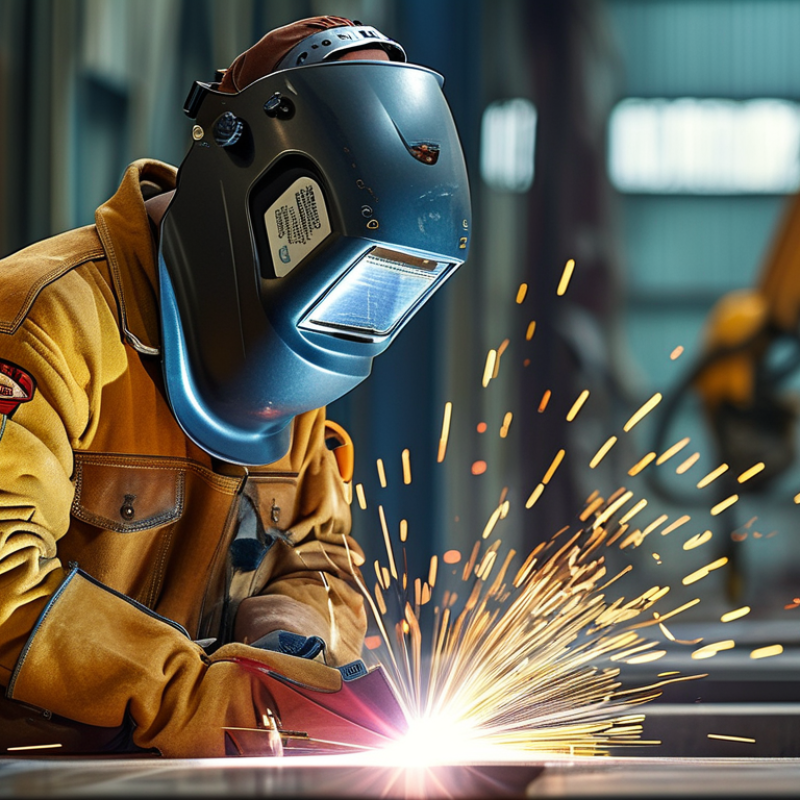
Plasma cutting is a popular method for metal fabrication due to its precision and speed. However, it poses certain hazards that require awareness. The process involves using a high-velocity jet of ionized gas to cut through metals. This means high heat and potential sparks, which can lead to serious injuries.
Eye protection is crucial. Operators should always wear appropriate goggles to shield against bright arcs and flying debris. Skin exposure is another concern, as flames can burn easily. Wearing protective clothing is a must to safeguard against heat and metal shards.
Tips for a safer working environment include ensuring a well-ventilated area. Fumes generated during plasma cutting can be harmful if inhaled. Regularly check your equipment for any wear that could compromise safety. Practicing proper techniques can significantly reduce risks. Even the most experienced operators need to remain vigilant and adaptable. Always stay focused, as momentary distractions can lead to accidents.
Personal Protective Equipment (PPE) is crucial in plasma cutting processes. The sparks and heat generated can be hazardous. Proper gear prevents serious injuries. Workers can face burns, eye damage, and even respiratory issues without it. A quality helmet is essential. It shields the face and eyes from flying debris. Gloves made for high temperatures are equally important. They protect hands from burns during operation.
Footwear is another key piece of safety gear. Steel-toed boots can save toes from falling objects. It’s easy to overlook basics, but they are vital for protection. Respirators may be necessary in enclosed spaces. They ensure clean air intake while cutting. Regularly check PPE for wear and damage. If gear is compromised, it can fail at critical moments.
Many workers underestimate the importance of PPE. Some may feel confident without it, but risks linger. Equipment should fit well. Loose gear can snag or restrict movement. Consistent training on proper use is essential. Reinforcing safety measures creates a culture of protection. It is not just about compliance but fostering responsibility.
When engaging in plasma cutting, safety must be a top priority for workers. The right gear can make a crucial difference in protecting against injuries. A good welding helmet with a proper shield is imperative. It protects the face and eyes from harmful sparks and intense light. Proper gloves are also essential. They should be heat-resistant and allow for dexterity while handling cutting pieces.
Additionally, durable flame-resistant clothing is a must. Cotton or synthetic blends can help reduce the risk of burns. Steel-toed boots provide vital protection for feet. They can prevent injuries from heavy materials falling. Respiratory protection is often overlooked. Dust and fumes can be harmful, making masks an important consideration.
It's crucial to recognize that even with safety gear, accidents can happen. Regular training is necessary to stay aware of potential hazards. Workers must remain vigilant. They should assess their surroundings and equipment before starting. Reflecting on past incidents can provide valuable lessons for a safer work environment. Each worker is responsible for their own safety.
When engaging in plasma cutting, safety gear becomes paramount. Proper use of safety gear can prevent serious injuries. Wear a high-quality helmet that provides adequate visibility while protecting against sparks and UV light. Make sure gloves are insulated and flexible. This will ensure both protection and dexterity. Steel-toed boots can guard against heavy objects falling.
Routine maintenance of safety gear is essential. Regularly check for wear and tear on gloves and boots. Replace any damaged components immediately to maintain protective integrity. Cleaning your helmet lens is crucial for optimal visibility. Dust and debris can reduce clarity, affecting your work.
Consider the environment where you work. Ensure your gear is suitable for high-temperature and metal environments. It's vital to stay aware of your surroundings and potential hazards. Even the best gear can fail if misused or if distractions occur. Reflecting on past experiences can improve future practices and enhance safety.
| Safety Gear | Description | Usage Guidelines | Maintenance Tips |
|---|---|---|---|
| Safety Glasses | Protects eyes from sparks and debris. | Ensure they meet safety standards. | Clean with a soft cloth; replace if scratched. |
| Welding Helmet | Shields face and eyes from intense light. | Select auto-darkening helmets for convenience. | Inspect for cracks and replace lenses when needed. |
| Gloves | Protects hands from cuts and heat. | Use heat-resistant gloves specifically for welding. | Check for holes/tears; replace regularly. |
| Hearing Protection | Protects ears from loud noises. | Use earplugs or earmuffs based on noise level. | Store in a clean, dry place; inspect regularly. |
| Respirator | Filters harmful fumes and particles. | Ensure proper fit for maximum protection. | Replace filters as recommended by the manufacturer. |
| Flame-Resistant Clothing | Protects body from sparks and heat. | Wear long sleeves and pants made of FR materials. | Follow washing instructions to maintain effectiveness. |
| Steel-Toed Boots | Protects feet from heavy objects and sparks. | Choose boots with slip-resistant soles. | Regularly inspect for wear and tear. |
| Face Shield | Provides additional face protection. | Use in conjunction with safety glasses. | Clean regularly and inspect for damage. |
| First Aid Kit | Treats injuries in case of accidents. | Ensure it is easily accessible on-site. | Regularly check contents and replenish supplies. |
When engaging in plasma cutting, safety is a top priority. Wearing the right protective gear is essential, but additional safety practices can significantly enhance your safety. Always maintain a clean workspace. A cluttered environment increases the risk of accidents. Make it a habit to store tools properly and keep flammable materials away.
Regular maintenance of equipment is vital. Check hoses for leaks and ensure that the power supply is secure. Moreover, awareness is crucial. Stay alert and avoid distractions while working. It can be easy to overlook simple safety precautions, but these could make all the difference. Ensure that emergency procedures are clearly posted and familiar to all workers.
Training is another critical aspect. Even experienced users should participate in safety refresher courses. This helps reinforce safe practices and introduces new techniques. Encourage open discussions about safety concerns in the workplace. Addressing issues can prevent potential injuries. Complacency can be a worker’s worst enemy. Remain proactive about safety measures.
: PPE protects against burns, eye damage, and respiratory issues. Sparks and heat can be very hazardous during cutting.
Key gear includes a helmet, gloves, protective clothing, steel-toed boots, and respiratory protection. Each piece plays a vital role.
A welding helmet shields the face and eyes from sparks and intense light. Quality helmets enhance visibility while cutting.
Gloves should be heat-resistant and flexible. They protect hands from burns while allowing for dexterity in handling materials.
Regularly check for wear and tear. Replace damaged items immediately. Clean helmet lenses to maintain visibility.
Steel-toed boots are recommended. They protect feet from heavy materials and falling objects.
Yes, even with PPE, accidents can still happen. Vigilance and awareness of surroundings are essential to minimize risks.
Reflecting on past incidents helps identify hazards. This insight can improve practices and enhance overall safety.
Consistent training is crucial. It reinforces the correct use of PPE and fosters a culture of safety.
Gear must fit well. Loose equipment can snag or restrict movement, potentially leading to accidents.
Plasma cutting is a widely used metal cutting technique, but it comes with significant hazards that demand careful attention to safety. Understanding the potential dangers associated with plasma cutting is crucial for ensuring a secure working environment. Essential personal protective equipment (PPE) plays a vital role in mitigating these risks. So, what safety gear is required for plasma cutting? Workers should be equipped with appropriate safety glasses, welding helmets, flame-resistant gloves, and protective clothing, among other gear, to shield against harmful sparks and intense UV radiation.
In addition to selecting the right safety gear, proper use and maintenance are paramount for effectiveness. Workers should follow specific guidelines to ensure their equipment is in top condition. Furthermore, adopting additional safety practices—such as maintaining a clean workspace and using adequate ventilation—can further enhance safety during plasma cutting operations. By prioritizing safety gear and protocols, workers can minimize risks and promote a culture of safety in the workplace.
