Karam Tools
Band saws are essential tools in woodworking and metalworking. However, one common issue users face is a blade that keeps popping off. This problem can be frustrating and can halt your projects. According to industry expert John Thompson, "What causes a band saw blade to keep popping off often results from improper tensioning or alignment."
Understanding this issue is key to fixing it effectively. The alignment of the wheels is crucial. If they are misaligned, the blade cannot run smoothly. This may create uneven tension, which can lead to the blade slipping off. Additionally, worn or damaged bearings can also contribute to blade failure. Regular inspection is important.
Users often overlook these factors, causing recurring problems. Fixing a band saw requires a hands-on approach and a careful examination of the tool's components. Ignoring these details may lead to wasted materials and time. Troubleshooting involves a systematic check on tension, alignment, and condition of the blades. Failing to acknowledge these aspects can prolong the issue.
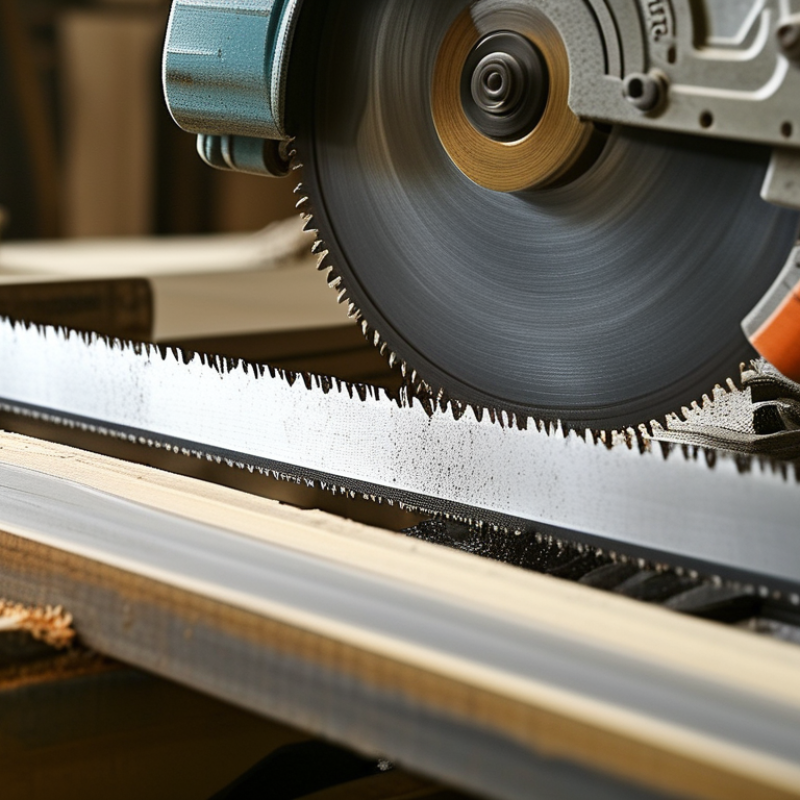
Band saw blades can pop off for various reasons. Understanding these causes is essential for effective troubleshooting. One common issue is improper blade tension. If the tension is too loose, the blade may slide off the wheels during operation. Regularly checking and adjusting blade tension can help maintain stability.
Another factor is misalignment of the wheels. When the wheels are not aligned correctly, the blade can struggle to track. This misalignment can occur due to wear or improper installation. Inspecting the wheel alignment often can prevent the blade from displacing unexpectedly.
Additionally, worn or damaged tires on the wheels can contribute to blade displacement. Over time, these tires can deteriorate, causing the blade to lose grip. Regular inspection and replacement of worn tires are crucial for maintaining the band saw's performance. Keeping these components in check can significantly reduce blade issues and ensure smoother operation.
When dealing with a band saw blade that frequently pops off, inspecting the blade condition is crucial. Start by examining the blade for any visible damage or wear. Look for cracks or missing teeth. These imperfections can compromise the blade's stability during operation. Use a bright light to highlight any subtle issues that may not be immediately visible.
Pay attention to the blade tension as well. A blade that is too loose can easily derail. Conversely, if it's too tight, it can also cause problems. It might be helpful to refer to the manufacturer's recommendations regarding proper tension settings. Each blade has its specifications, and adhering to these can prevent future popping issues.
Check the alignment of the band saw wheels too. Misalignment can lead to uneven wear on the blade, making it prone to falling off. For a more thorough inspection, consider measuring the blade width and compare it with standard measurements. A blade that is too narrow for the wheels can also be a culprit. Stay vigilant and maintain your band saw properly to ensure it functions accurately and safely.
This chart displays the distribution of band saw blade conditions based on the inspection results. The majority of blades are in good condition, with a small number showing significant wear or damage.
Proper tension and tracking are crucial for a band saw's performance. If your blade keeps popping off, the initial step is to check the tension. Each blade has a recommended tension level. Insufficient tension can cause the blade to come loose during operation. Adjust the tension using the tension knob and ensure it aligns with the manufacturer's guidelines. A firm grip on the blade is essential for stable cutting.
Next, focus on tracking. The blade should run centrally on the wheels. If it's too far forward or back, it will slip off easily. Adjust the tracking by turning the adjustment knob on the upper wheel. It's important to make small adjustments, as even minor changes can drastically affect the blade’s path. Listen for any unusual sounds during operation; these may indicate tracking issues requiring attention.
Remember, regular maintenance of your band saw is essential. Check the wheels for dust and debris, as they can interfere with blade performance. Additionally, consider the age and condition of your blade. Worn or damaged blades often lead to more frequent popping off. Reflect on your previous adjustments; what worked, and what didn't? Each attempt is a learning experience.
A band saw blade popping off during use can be frustrating. One of the most critical aspects to check is the alignment of the guides and wheels. Proper alignment ensures that the blade runs smoothly and stays in place, preventing it from slipping off. Misaligned guides can cause excessive friction or pressure on the blade. This can lead to premature wear or even breakage.
Start by examining the upper and lower wheels. They should be parallel to each other. If they are not, adjustments are necessary. Loosen the wheel bolts slightly and align them to achieve parallelism. Once that’s done, check the blade guides. They should be positioned close to the blade, without touching it. This setup minimizes lateral movement.
Don’t overlook the tension of the blade. A loose blade can easily pop off, while too much tension can lead to risks of breakage. Adjust the tension carefully and make sure it is just tight enough to avoid slipping. Take your time. Rushing through adjustments can lead to mistakes. Regularly inspecting these components can greatly reduce potential issues. Doing so not only enhances performance but also ensures safer operations.
Regular maintenance is essential for any band saw to function effectively. Start with the blade tension. If it's too tight or loose, it may pop off. Adjust it according to the manufacturer’s specifications. Ensure the blade guides are aligned properly. Misaligned guides can cause the blade to wander, leading to detachment.
Next, inspect the blade for wear and damage. Over time, blades can develop nicks or become dull. Use a file to touch up minor damages. If the blade is extensively worn, consider replacing it. Clean the wheel surfaces. Dust and debris can interfere with the blade's grip. A gentle wipe with a cloth will help maintain a good surface.
Don't forget to check the tracking. If it’s off, the blade may slip. Adjust the tracking until the blade sits perfectly centered on the wheels. Performing these tasks routinely can reduce the likelihood of blade issues. It’s better to invest time in maintenance than to deal with frequent interruptions in your work. Regular checks give peace of mind and certainty in your cuts.
: Band saw blades can pop off due to improper tension, misalignment, or worn tires.
Blade tension is critical. Too loose, and it may slide off. Too tight, and it can break.
Examine if the wheels are parallel. Adjust bolts if needed to ensure parallelism.
Look for cracks or missing teeth. These imperfections can cause instability during use.
Regularly inspect and replace worn tires. They impact grip and overall performance severely.
Properly aligned guides minimize blade movement. Misalignments can cause excessive pressure and wear.
Yes, blades too narrow for wheels can lead to displacement. Measure and compare widths regularly.
Use bright light to spot subtle damage. Stay vigilant about wear and tear on all components.
Yes, rushing adjustments can lead to mistakes. Take your time for better accuracy in setup.
Yes, each blade has specific tension requirements. Refer to guidelines to prevent future problems.
When addressing the issue of what causes a band saw blade to keep popping off, it's essential to first identify common causes of blade displacement. This may include issues such as improper tension, misalignment, or worn components. Inspecting the blade for any damage or signs of wear can help determine if the blade itself is contributing to the problem.
Adjusting the tension and tracking of the band saw blade is crucial, as well as ensuring that the guides and wheels are properly aligned. Regular routine maintenance can significantly reduce the likelihood of blade issues, keeping your band saw in optimal condition and preventing future disruptions. By following these steps, users can effectively resolve the frustrating problem of blades coming off during operation.
