Karam Tools Karam Tools

Why is My Miter Saw Not Cutting a Perfect 90 Degree Angle?

Time:2026-08-06 Author:Sienna
0%

When working with a miter saw, precision is crucial. One common frustration woodworkers face is wondering, "why is my miter saw not cutting at a perfect 90 degree angle?" This issue can arise from several factors, leading to imperfect cuts that can compromise your project.

Firstly, it's essential to know that miter saws require regular calibration and maintenance. Over time, alignment can shift, affecting the accuracy of your angles. Dust and debris buildup can also play a role, hindering your saw's performance. Small adjustments may lead to significant improvements in the cut quality.

Additionally, the type of blade used can make a difference in achieving clean angles. Dull blades can cause tear-out, making 90-degree cuts less precise. Reflecting on these common pitfalls can help you identify and correct the underlying problems. By understanding the reasons behind these inaccuracies, you can enhance your craftsmanship and achieve better results.
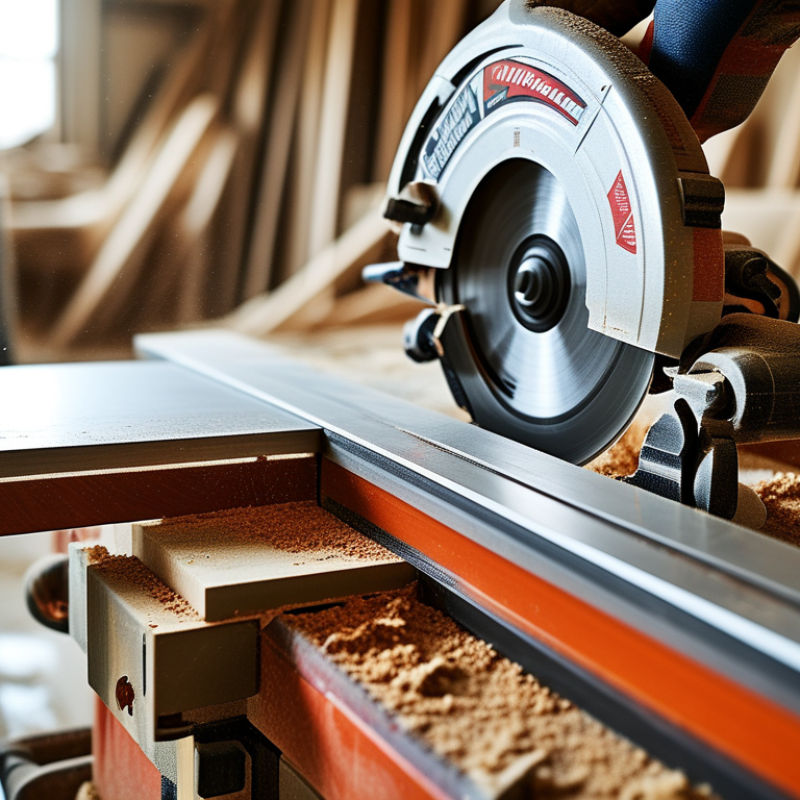
Why is My Miter Saw Not Cutting a Perfect 90 Degree Angle?

Common Causes of Miter Saw Misalignment Affecting 90 Degree Cuts

Misalignment in a miter saw can cause frustrating problems, especially when trying to achieve a perfect 90-degree cut. One common issue is the blade itself. Over time, blades can wear down or become bent, affecting their ability to make accurate cuts. If you notice uneven wear on the teeth, it may be time to replace the blade. This seemingly simple fix can lead to significant improvements in cutting accuracy.

Another frequent cause of misalignment is incorrect setup. Check the saw's adjustments, ensuring the base is level and firmly secured. Ensure that the fence is perpendicular to the table. Even a slight deviation can throw off your cuts significantly. Doubling check these elements can save a lot of time and material. Sometimes, even when everything looks good, a little fine-tuning will be necessary to achieve that perfect angle.

Finally, consider the cutting technique. Pushing too hard can shift the material, leading to inaccuracies. Using consistent pressure can help maintain the alignment. If your cuts still don’t meet expectations, it may be worth re-evaluating your approach and considering potential pitfalls in your techniques. A little reflection can go a long way in enhancing your miter saw's performance.

Understanding the Importance of Proper Blade Installation on Miter Saws

One crucial aspect of using a miter saw is proper blade installation. Many users overlook this step, leading to inaccurate cuts. A misaligned blade can result in angles that fail to meet the desired specifications. Even slight misalignments can accumulate, causing significant errors over time.

To ensure accuracy, first, check the blade's alignment with the saw's base. It should sit parallel to the fence. If the blade is tilted or not seated properly, it can create an uneven cut. Regularly inspect the blade for wear and tear. A dull or damaged blade won't cut cleanly, further complicating angle measurements.

It's also essential to secure the blade firmly. Loose blades can shift during operation, leading to unpredictable results. Take a moment to test cuts before proceeding with your project. This simple precaution can save time and materials. Reflect on any past cutting inaccuracies. Learning from these experiences can lead to improved techniques and better outcomes.

How to Accurately Measure and Adjust Miter Saw Angles

When using a miter saw, achieving a perfect 90-degree angle can be a challenge. One common problem stems from the saw's calibration. Over time, the components can shift, leading to inaccurate cuts. Regularly checking the saw's settings is crucial for ensuring precision. A simple way to verify angles is by using a reliable square. Place it against the blade and compare it to the base of the saw. If misalignments are noticed, adjustments will be necessary.

To adjust the miter saw, loosen the screws that hold the bevel scale. Make small incremental changes. Recheck the angle with the square after each adjustment. Repeat this process until you achieve the desired accuracy. It's a meticulous task and may require patience. Often, users overlook the importance of re-calibration after their saw has been used extensively. Regular maintenance not only extends the life of your tools but also enhances precision. Investing time in this process leads to better outcomes in your projects.

Angle Accuracy of Miter Saws

The Role of Maintenance in Ensuring Precise Miter Saw Cuts

Maintaining a miter saw is crucial for achieving precise cuts. Regular maintenance prevents inaccuracies that can lead to frustrating results. A recent industry report indicated that nearly 25% of all woodworking errors stem from equipment misalignment. Keeping your saw in check can minimize these issues.

Tips for maintenance include regularly checking the blade for dullness or damage. A worn blade can cause poor cutting angles. Ensure the saw's table is clean and free of debris. An accumulation of dust can lead to uneven cuts, affecting the performance significantly. Tighten all bolts and screws periodically to avoid misalignment, as vibration can loosen parts over time.

Another common oversight is the adjustment of the bevel and miter settings. Over time, these settings can shift slightly due to use. It's wise to recalibrate them regularly to maintain accuracy. Implementing scheduled maintenance, such as quarterly checks, can enhance tool longevity. This simple practice can prevent costly mistakes, keeping your projects on track. The role of diligent maintenance cannot be overstated; it is integral to preserving the integrity of your cuts.

Tips for Checking and Calibrating Miter Saw Settings for Accuracy

When your miter saw isn't cutting a perfect 90-degree angle, it's time to check its settings. Start by inspecting the blade. A dull or damaged blade can lead to inaccurate cuts. Swap it out if necessary. Then, take a close look at the miter gauge. It should align perfectly with the blade. Misalignment here can cause frustration during projects.

Calibrating the saw is crucial for accuracy. Use a framing square to check the angle of the blade against the base. If it's off, adjust the bevel settings. Make small adjustments. This ensures you won't overcorrect and create a bigger issue.

Examine the saw's table for any debris or blockages. Even small particles can affect the smoothness of cuts. A clean setup empowers consistency. Keep an eye on how your cuts turn out. If they still aren't accurate, it's worth reflecting on your technique. With consistent practice, you'll hone your skills and achieve the precision you desire.

Why is My Miter Saw Not Cutting a Perfect 90 Degree Angle? - Tips for Checking and Calibrating Miter Saw Settings for Accuracy

Adjustment Description Recommended Tool Frequency of Check
Blade Alignment Ensure the blade is parallel to the miter saw fence. Feeler Gauge Before Use
Fence Alignment Check that the fence is square to the table. Square Tool Monthly
Miter Gauge Ensure the miter gauge is accurate at 0 degrees. Digital Level Every Use
Blade Quality Check for any damage or dullness in the blade. Visual Inspection Before Use
Calibration Adjust settings to ensure accurate cuts are made. Calibrating Tool Quarterly

FAQS

: Why is proper blade installation important for miter saws?

: Proper blade installation ensures accurate cuts. Misalignment can lead to significant errors over time.

How can I check the blade's alignment?

The blade should be parallel to the saw's base. Use a reliable square to assess alignment.

What should I do if my blade is dull?

Replace or sharpen a dull blade. A damaged blade can worsen cutting accuracy, impacting angles.

How can I secure my blade properly?

Ensure the blade is tightened firmly. Loose blades can shift, causing unpredictable cutting results.

How often should I calibrate my miter saw?

Regular calibration is essential, especially after extensive use. Check settings often to maintain precision.

What maintenance tasks should I perform regularly?

Regularly inspect the blade and clean the saw's table. Tighten bolts and screws to prevent misalignment.

Why does maintaining a miter saw matter?

Maintenance prevents inaccuracies, reducing woodworking errors. It extends tool life and enhances cut precision.

What can happen if I ignore calibration issues?

Ignoring calibration can lead to compounded errors in cuts. It may cause frustrating and costly mistakes.

How can dust affect my miter saw's performance?

Dust accumulation can lead to uneven cuts. Keep the table clean for optimal performance.

Is patience important during adjustments?

Yes, making small incremental changes requires patience. Rushing adjustments can compromise accuracy over time.

Conclusion

In addressing the question "why is my miter saw not cutting at a perfect 90 degree angle," it's essential to explore several common causes of misalignment that can affect cut accuracy. Factors such as improper blade installation, which can lead to skewed cuts, and the necessity of regular maintenance are crucial for ensuring precise miter saw performance. Moreover, understanding how to accurately measure and adjust angles is vital for achieving the desired results.

Regular checks and calibrations of miter saw settings also play a significant role in enhancing cutting precision. By following specific guidelines to maintain equipment and verify blade alignment, users can greatly improve their miter saw's ability to consistently produce perfect 90-degree cuts. Ultimately, a proactive approach to both setup and upkeep will help tackle the challenges of achieving accuracy in miter saw cutting.

Sienna

Sienna

Sienna is a skilled marketing professional with a deep expertise in our company’s core products and services. With a passion for innovation and detail, she plays a pivotal role in crafting insightful blog posts that not only highlight the unique features of our offerings but also provide valuable......