When tackling home improvement tasks, cordless drills are indispensable tools. However, many users often wonder, "why is my cordless drill losing power so quickly?" According to industry research from the National Tool and Equipment Association, nearly 30% of cordless tool users experience performance issues. These issues can stem from various factors, which may surprise even seasoned DIY enthusiasts.
Battery quality plays a critical role in performance. A 2022 report from Power Tool Insights indicated that around 15% of cordless drill users report battery malfunctions within the first year of use. Overheating is another common problem. Extended usage often leads to temporary power loss, leaving users frustrated. Additionally, improper charging habits can diminish battery life. It's essential to recognize that not all batteries are created equal. Market fluctuations can lead to inconsistent production quality, affecting longevity.
Moreover, dirt or debris can accumulate in your tool, impacting its functionality. A startling 25% of users neglect routine maintenance, contributing to significant power loss. It’s crucial to reflect on these elements when evaluating your cordless drill's performance, ensuring you're making informed decisions about your tools.
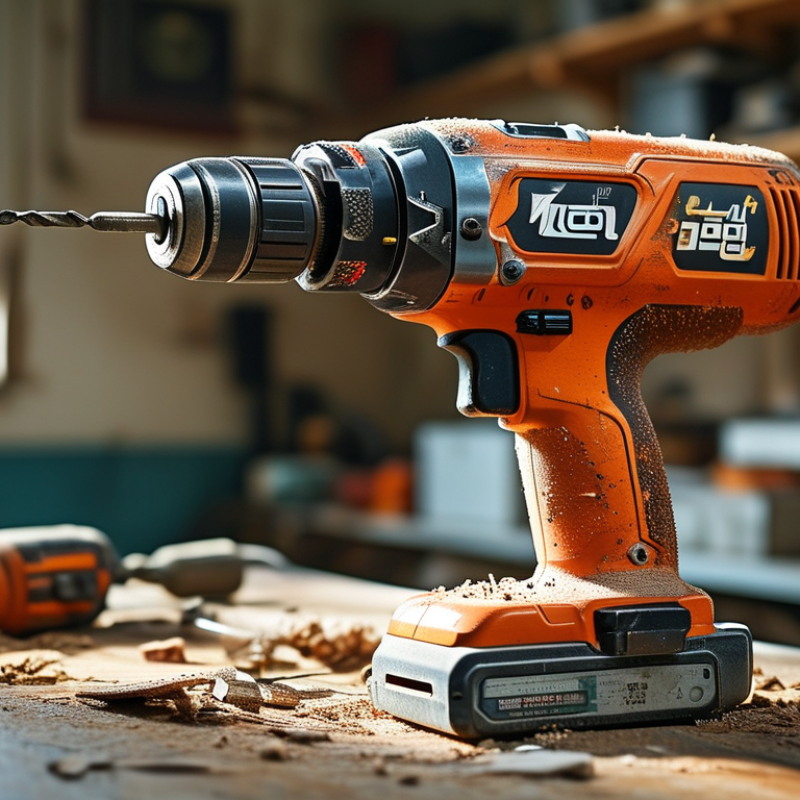
Common Battery Types and Their Impact on Cordless Drill Performance
When it comes to cordless drills, the type of battery used greatly influences their performance.
Lithium-ion batteries dominate the market due to their high energy density and longer lifespan. They charge quickly and are lighter than other types, providing convenience for many users.
However, they can suffer from temperature sensitivity. Extreme heat or cold can diminish battery efficiency.
Nickel-cadmium batteries were once popular but are becoming obsolete. They are heavier and have a lower capacity compared to lithium-ion options.
Moreover, they develop a 'memory effect,' meaning they lose capacity if not fully drained before recharging.
Users often overlook these factors, which can lead to frustration.
Charging habits also play a critical role. Overcharging any battery, including lithium-ion, can lead to reduced performance.
It’s essential not to leave drills plugged in constantly. Proper storage of batteries in a cool, dry place can significantly extend their life.
Misunderstanding these elements can cause a premature drop in power, which is often blamed solely on the drill itself.
How Overheating Affects Battery Life and Power Efficiency
Overheating is a critical factor affecting battery life and power efficiency in cordless drills. When a drill operates beyond its optimal temperature, it can lead to reduced battery performance. According to research by the Battery University, every 10 degrees Celsius rise in temperature can reduce battery lifespan by about 50%. This means regular overheating can significantly shorten the overall usage time of your tool.
High temperatures can also hinder charging efficiency. Heat causes the battery's internal resistance to increase, making charging slower and less effective. A study from the Journal of Power Sources notes that batteries charged at elevated temperatures lose up to 20% of their capacity. Users may notice their drill running out of power more quickly, leading to frequent interruptions in projects.
Monitoring drill use and ensuring proper ventilation can help mitigate overheating. Many overlook these factors, thinking that longer usage equates to better results. However, understanding the heat generation from extended drilling tasks is crucial. Regular breaks not only enhance performance but can also maintain battery health over time. Maintaining the tool’s temperature within the ideal range can dramatically improve its lifespan and reliability.
Top 10 Reasons Why Your Cordless Drill Loses Power Fast? - How Overheating Affects Battery Life and Power Efficiency
| Reason |
Description |
Impact on Power Loss |
| Overheating |
Excessive heat during operation can damage the battery cells. |
Reduces battery capacity and efficiency. |
| Old Battery |
Aging batteries lose their ability to hold charge. |
Decreased runtime under load. |
| Poor Charging Habits |
Not fully charging or overcharging can impact battery health. |
Inconsistent power delivery. |
| High Load |
Using the drill beyond its rated capacity can cause strain. |
Increases heat and battery drain. |
| Environmental Factors |
Extreme temperatures can affect battery performance. |
Can lead to rapid power loss. |
| Poor Connection |
Corroded or loose contacts can hinder power flow. |
Causes intermittent power issues. |
| Frequent Charging |
Constantly recharging can wear down battery life. |
Lowers overall battery efficiency. |
| Usage of Incompatible Accessories |
Using improper bits or attachments can overload the drill. |
Causes increased strain and power loss. |
| Battery Quality |
Using low-quality batteries can lead to poor performance. |
Results in quicker power drain. |
The Role of Motor Quality in Power Loss of Cordless Drills
The quality of the motor in a cordless drill plays a crucial role in its overall performance and power loss. A high-quality motor typically delivers consistent performance. Unfortunately, lower-quality motors often lead to premature power loss. According to a study by the Power Tool Institute, tools with improved motor design can maintain up to 20% more torque when under load.
When a motor's components are made from inferior materials, it affects efficiency. Friction increases, and energy is wasted. Such drills may struggle with common tasks, leading to frustration. Data from industry reports indicates that more than 25% of users experience rapid power drain within the first few months of use due to motor wear. This demands a closer look at durability and maintenance.
Battery technology also influences motor performance. A weak battery cannot supply adequate power, causing a drop in the motor's output. It's essential to match the motor quality with suitable battery specifications. Regular maintenance checks can detect issues early, but many users overlook this. Ignoring signs of fatigue can lead to a total loss of power. This cycle is often counterproductive and reflects a lack of understanding of the tool's capabilities.
Understanding Charge Cycles: How They Influence Battery Longevity
Understanding charge cycles is essential for maximizing battery longevity in cordless drills. A charge cycle refers to the process of depleting a battery from 100% to 0% and then recharging it fully. According to a report by the Battery University, lithium-ion batteries typically endure about 300 to 500 charge cycles before their capacity significantly diminishes. This indicates that consistent overcharging or deep discharging can drastically shorten their lifespan.
Many users are unaware that how they charge their drills affects battery performance. Frequent partial discharges and excessive full charges can lead to faster depletion of battery life. Industry studies suggest that maintaining a battery charge level between 20% to 80% can optimize its health. A drill battery that is constantly left on the charger, even after reaching full capacity, is subject to overheating and capacity loss over time.
Understanding these nuances is key. If your cordless drill loses power quickly, it may be time to reflect on your charging habits. Not every use case demands a fully charged battery. Adapting to more efficient charging methods could prevent premature battery depletion. Keeping track of charge cycles and implementing best practices can significantly enhance the overall efficiency and lifespan of your tools.
Top 10 Reasons Why Your Cordless Drill Loses Power Fast
The Importance of Regular Maintenance for Optimal Drill Performance
Regular maintenance of your cordless drill can significantly extend its lifespan and performance. Many users overlook simple tasks that are crucial for optimal functionality.
Cleaning the drill after each use prevents dust and debris from accumulating in the motor or gears. Lubricating moving parts ensures smooth operation. A well-maintained drill delivers consistent power and efficiency.
Battery care is also essential for performance. Charging the battery incorrectly can lead to reduced capacity over time. It’s important to avoid overcharging and to store the battery in a cool, dry place. Periodically checking connections for corrosion can prevent power loss. Many forget to inspect the charger as well, which can affect charging efficiency.
Reflect on your own maintenance habits. Are you diligent or do you skip necessary steps? A little attention to detail can help identify potential issues early. Regular checks can save time and money in repairs. Effective maintenance not only keeps your cordless drill running but also enhances your overall experience.
Conclusion
If you're wondering "why is my cordless drill losing power so quickly?", there are several factors to consider that can impact its performance. First, it's important to understand the different battery types available for cordless drills, as each has unique characteristics that affect power and efficiency. Overheating is another critical issue that can severely shorten battery life and reduce overall power output.
Additionally, the quality of the motor plays a significant role in how effectively the drill utilizes battery power. Understanding charge cycles is also essential, as they influence battery longevity and performance over time. Finally, regular maintenance is key to ensuring your drill operates at its best, helping to mitigate power loss and enhancing its overall functionality. By addressing these areas, you can extend the life and performance of your cordless drill.
 Karam Tools
