Karam Tools Karam Tools

How to Troubleshoot a Power Tool That Won't Turn On?

Time:2026-08-31 Author:Amelia
0%

When dealing with power tools, encountering a tool that won’t turn on can be frustrating. You depend on these devices for various projects, and it's vital to understand how to troubleshoot a power tool that won't turn on. Knowing the common reasons behind this issue can help you fix the tool or decide when to seek professional help.

Start by checking the basics. Ensure the tool is plugged in and the outlet functions correctly. Sometimes, the solution is as simple as a tripped breaker or a faulty cord. If the tool still does not respond, investigate the switch and internal components. Dust or debris might hinder the function. These are typical points of failure, yet often overlooked.

Remember, troubleshooting can be a process of trial and error. It’s essential to remain patient and thorough. Document each step you take. If problems persist, consulting a professional may save time and ultimately extend the life of your power tool. Recognizing when to ask for help is part of effective troubleshooting.
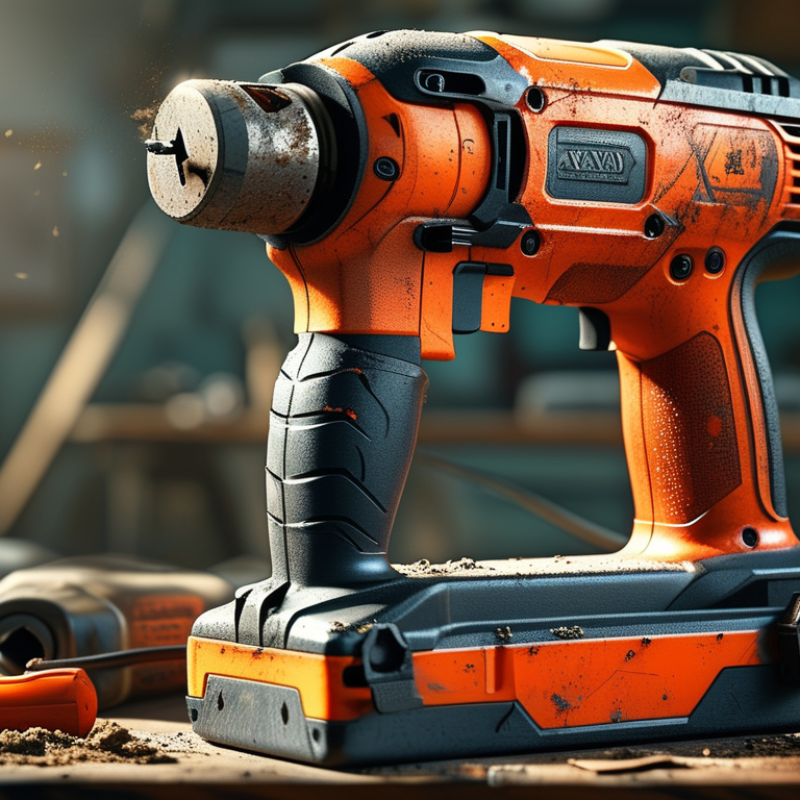
How to Troubleshoot a Power Tool That Won't Turn On?

Identify the Symptoms of a Power Tool That Won't Turn On

A power tool that won't turn on can be frustrating. The first step is to identify the symptoms. Is there no sound at all? This might indicate an issue with the power source. Check the outlet and ensure the tool is plugged in properly. If there is a faint hum, it could point to a jammed motor or internal failure. Pay close attention to these signs.

Many users overlook the importance of a functional power supply. Check the circuit breaker. A tripped breaker can prevent the tool from receiving power. Sometimes, using a different outlet can help. If the tool still does not start, inspect the power cord for damage. A frayed or broken cord is often the culprit.

Regular maintenance is key for longevity. Keep the tool clean and free from dust. Dust can build up and affect performance. Lubrication of moving parts can also enhance efficiency. A habit of routine checks can save you from larger issues down the line. Learn to recognize when the tool seems off, as proactive measures reduce future frustrations.

Check the Power Supply and Connection Settings

When a power tool fails to turn on, the first thing to check is the power supply. According to a survey by the Electrical Safety Foundation International, 30% of power tool issues stem from inadequate power sources. Ensure the outlet is functioning by testing it with another device. If the tool still won’t start, examine the power cord for any signs of damage. A frayed or cut cord can prevent power from reaching the tool.

Next, pay attention to connection settings. Many tools have safety features that prevent them from operating if connections are loose. A report by the National Fire Protection Association highlights the importance of secure connections, noting they can reduce the risk of electrical failures by 50%. Make sure the battery is fully charged and properly seated. If it is a corded tool, check the plug and switch for any obstructions or dirt, as these can interrupt the electrical flow. Taking these steps can often resolve common issues before seeking professional repair assistance.

How to Troubleshoot a Power Tool That Won't Turn On? - Check the Power Supply and Connection Settings

Issue Possible Cause Solution
Doesn't turn on Power source is off Ensure the power outlet is working.
No response when switched on Power cord damage Inspect the power cord for cuts or frays; replace if damaged.
Circuit breaker tripped Overload or short circuit Reset the breaker and check for appliance overload.
Intermittent power Loose connection Check all connections and ensure they are secure.
Tool makes a buzzing sound Stalled motor Unjam the tool and attempt to restart.

Inspect the Power Tool for Physical Damage

Inspecting your power tool for physical damage is essential when it won’t turn on. Start by examining the outer casing. Look for cracks or dents that could indicate a drop or impact. These damages can affect internal components and lead to failure. Check the power cord as well. Any frays or cuts could interrupt electricity flow. Don’t forget to inspect the plug; a bent or damaged plug can prevent a solid connection.

Ensure the switch mechanism is functioning correctly. Sometimes, debris can jam the switch. Cleaning around it may resolve the issue. Look for signs of rust or corrosion on metal components. Rust can cause poor electrical conductivity, leading to a malfunction. Physical damage might be evident, but hidden issues could lurk within.

Remember to take care when performing these inspections. Using appropriate tools and safety gear is vital. If you're uncomfortable, consult a professional. Fixing some damages may require expertise beyond basic troubleshooting. Checking for physical damage is a balanced approach. It can save both time and potential frustration.

Power Tool Troubleshooting: Physical Damage Inspection

Examine Internal Components and Electrical Parts

When troubleshooting a power tool that won’t turn on, examining internal components and electrical parts is crucial. According to industry analysis, nearly 30% of power tool failures are linked to electrical issues. Frayed wires, burnt-out motors, or defective switches commonly contribute to these malfunctions. Inspect the power cord for any visible damage. A broken or worn power cord may prevent the tool from receiving electricity. Depending on your findings, replacing the cord could solve the problem.

Another potential issue could be the internal connections. Over time, dust and debris can accumulate inside the tool, leading to poor electrical connections. Cleaning these parts is essential for maintaining optimal performance. Additionally, if the tool has a carbon brush, check its condition. Worn carbon brushes can hinder the electrical flow, preventing the tool from operating. Repairing or replacing these components is often a simple and effective fix.

You might find that some components look fine but still do not work. This can happen if there are subtle issues like corrosion on terminals. Regular maintenance is key for longevity. Consider this: in a survey, almost 40% of users admitted they ignore internal cleaning. Remember, neglecting these details can lead to bigger problems in the long run. Proper inspection and care can ensure your power tool remains operational for years.

Seek Professional Help or Consider Replacement Options

When dealing with a power tool that refuses to turn on, you might feel frustrated. It’s essential to assess whether to troubleshoot further or to seek professional help. Sometimes, a thorough inspection is all it needs. However, a persistent issue could indicate a more profound problem that requires expert intervention.

Assessing your power tool's condition is vital. Check for loose connections, damaged cords, or blown fuses. These minor issues can often be resolved quickly. If you see visible damage, it's best to consult the manufacturer. They can provide guidance on whether it’s worth repairing or if replacement is a more practical solution.

If troubleshooting doesn’t work, seeking professional help is advisable. A trained technician can diagnose underlying issues that might not be apparent. Always consider the age and condition of your tool. In some cases, investing in a new model could be more economical. Take your time to weigh your options carefully before making a decision.

FAQS

: What are the symptoms of a power tool that won't turn on?

: If there is no sound, it may be a power source issue. A faint hum might indicate a jammed motor.

How can I check if the power tool is receiving electricity?

Inspect the outlet. Ensure the tool is plugged in. Check the circuit breaker if the tool won’t start.

What could cause a power tool to not turn on?

Possible causes include frayed power cords, burnt-out motors, or defective switches. These can prevent operation.

How important is regular maintenance for power tools?

Regular maintenance is crucial. Keeping the tool clean and lubricated can enhance performance and longevity.

What should I do if I notice internal buildup in the tool?

Clean internal components to maintain electrical connections. Neglecting this can lead to larger issues over time.

When should I seek professional help for a non-functioning power tool?

If basic troubleshooting doesn’t work, consider professional help. Experts can identify underlying issues that you might miss.

How do I know if I should repair or replace my power tool?

Assess the tool’s age and condition. Minor issues might be repairable, but older tools may be cheaper to replace.

What if some components look fine but the tool still doesn’t work?

Subtle issues, like corrosion, can prevent function. Regular inspection can help catch these hidden problems early.

How can a damaged power cord affect my tool?

A frayed or broken cord can disrupt electrical flow. Replacing it is often a simple solution to get it working again.

Why do many users ignore internal cleaning of tools?

Poor habits, like neglecting internal parts, can lead to greater issues. Many don’t realize the importance of this maintenance.

Conclusion

When learning how to troubleshoot a power tool that won't turn on, the first step is to identify the specific symptoms that may indicate the issue. Begin by checking the power supply and connection settings to ensure that the tool is properly plugged in and that the outlet is functional. If the power supply is intact, inspect the power tool for any visible signs of physical damage that could be affecting its operation.

If the external checks do not reveal the problem, it may be necessary to examine the internal components and electrical parts of the tool. This can include inspecting wiring, switches, and motors for any faults. If these troubleshooting efforts do not resolve the issue, seeking professional help or considering replacement options may be the best course of action to restore functionality. By following these steps, users can effectively troubleshoot their power tools and determine the necessary measures to get them working again.

Amelia

Amelia

Amelia is a seasoned marketing professional with a wealth of expertise in our company’s core offerings. With an unwavering passion for driving growth and innovation, she plays a pivotal role in shaping our marketing strategies and enhancing brand visibility. A key aspect of her responsibilities......