Karam Tools Karam Tools

2026 Top Why Do Carbon Brushes in Power Tools Spark So Much?

Time:2026-10-22 Author:Liam
0%

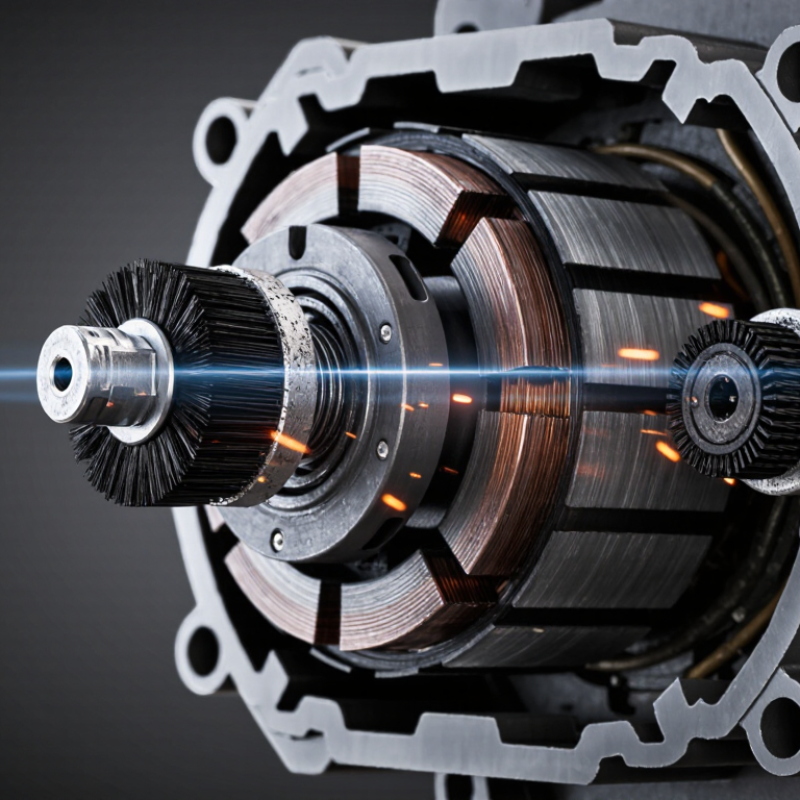
Why do carbon brushes in power tools spark so much? The answer begins inside the motor, where carbon brushes transfer current to a spinning commutator. Small flashes can appear as the contacts switch rapidly between segments. A faint orange flicker may be normal, especially during startup or under heavy load. A bright blue arc is different. It deserves attention.

Motor-drive author Austin Hughes offers a practical warning: “Excessive brush sparking is usually a symptom, not the cause.” His point matters because the brush may only reveal a deeper problem. Worn brushes can lose contact. Weak springs may reduce pressure. A dirty commutator can create uneven electrical paths. Excessive dust may also collect around the brush holders. Each fault leaves a different mark, from burnt copper to a sharp ozone smell.

The title sounds simple. The diagnosis is not. A technician should inspect brush length, seating, spring tension, commutator color, and tool load. A rough commutator may need professional servicing, not casual sanding. Never examine an energized tool with exposed parts. Disconnect the battery or mains supply first. This basic step is easy to overlook.

There is also an imperfect assumption worth challenging. Not every spark means immediate motor failure. Some compact tools spark visibly during normal operation. However, growing sparks, heat, smoke, unusual noise, or reduced power signal change. Record when the sparking happens. Startup, high torque, and continuous running can point toward different causes. Careful observation often prevents a small brush issue from becoming a costly motor repair.
2026 Top Why Do Carbon Brushes in Power Tools Spark So Much?

What Carbon Brushes Do Inside Power Tools

What Carbon Brushes Do Inside Power Tools

Carbon brushes are sliding electrical contacts inside many brushed power tools. Each spring-loaded block transfers current to the rotating commutator. This connection must survive heat, vibration, and constant friction. The brush also helps control current as the armature changes magnetic poles.

Some sparking is normal. When the brush leaves one commutator segment, current briefly jumps across the tiny gap. A faint blue arc may appear near the motor vents. Heavy orange sparks suggest trouble. Common causes include worn brushes, weak spring pressure, a dirty commutator, overloaded cutting, or carbon dust bridging nearby surfaces. The brush is sacrificial. It wears before the copper commutator should fail.

The International Energy Agency’s Energy Efficiency 2018 analysis estimated that electric motor systems consume about half of global electricity. The U.S. Department of Energy’s 2022 Motor Systems Market Assessment placed motor systems near 68% of industrial electricity use. These figures do not directly measure hand tools, but they show why contact losses deserve attention. A poor brush connection wastes energy as heat and can reduce torque. Technicians often inspect brush length, spring movement, commutator color, and unusual odor together. One detail is easy to miss: replacing brushes alone may not stop arcing if the commutator is grooved. A quiet motor is not automatically healthy. Sometimes the damage is simply hidden.

Why Do Carbon Brushes in Power Tools Spark So Much?

Carbon brushes transfer current to the rotating commutator. During commutation, the armature-coil current must reverse direction; the idealized waveform below shows this reversal. Sparking increases when the current reversal is not completed before the brush leaves a commutator segment.

In normal operation, the brush maintains sliding electrical contact while the commutator switches coil connections. Excessive sparks can result from worn brushes, weak spring pressure, contamination, a rough or damaged commutator, overload, or incorrect brush seating. The chart uses a normalized idealized current waveform; actual current and spark intensity vary with motor design, load, speed, and brush condition.

How Electrical Arcing Creates Sparks at the Motor

Carbon brushes spark because the motor current is interrupted while the armature keeps rotating. The brush touches several copper commutator segments in quick succession. When contact breaks, stored electrical energy jumps across the tiny air gap. This electrical arcing creates the visible blue or orange flash.

The commutator acts like a rapidly switching circuit. Worn brushes, weak springs, poor seating, or excessive motor load increase the gap and interrupt current more harshly. Fine carbon dust can also collect around the holder and create unstable contact. The sound may change from a soft hiss to a sharp crackle.

The U.S. Department of Energy reports that motor-driven systems consume about 46% of electricity used in American manufacturing. That figure shows why small efficiency losses deserve attention, even in compact tools. NFPA 70B also emphasizes documented, condition-based electrical maintenance rather than relying only on failure symptoms. These principles apply to brushed motors, although a handheld tool is much smaller.

Not every spark means immediate danger. A brief, even glow can occur during normal commutation. Large sparks, burning smells, visible pitting, or rapid brush wear are different signals. Stop the tool and inspect it safely. Check brush length, spring pressure, commutator color, and ventilation. Do not assume new brushes solve everything. Incorrect seating may worsen arcing. The explanation is useful, but incomplete; vibration, overload, and humidity can change the pattern. A workshop inspection can still surprise you.

2026 Top Why Do Carbon Brushes in Power Tools Spark So Much? - How Electrical Arcing Creates Sparks at the Motor
Observed Spark Pattern Likely Electrical or Mechanical Cause How Arcing Develops Typical Motor Symptoms Risk Level Recommended Inspection or Corrective Action Expected Result After Repair
Small, even blue sparks that remain stable during normal operation Normal brush-to-commutator switching Current is interrupted as a brush moves between commutator segments. A small electrical arc can form because the motor winding current cannot stop instantly. Normal sound, steady speed, and limited heat at the brush holders Low Keep ventilation clear, use the tool within its rated load, and monitor whether the sparking increases over time. Light, consistent sparking may remain within normal operating behavior.
Bright, uneven sparks concentrated on one side of the commutator Uneven brush seating, incorrect brush angle, or a brush that does not move freely Poor contact reduces the effective contact area and causes current to pass through small hot spots, increasing local arcing. Intermittent speed changes, visible brush vibration, or localized discoloration Medium Disconnect power, inspect brush movement and spring pressure, and replace worn or damaged brushes with the correct type and dimensions. More uniform contact and reduced localized sparking after proper seating.
Sparking increases rapidly when cutting, drilling, or grinding under load Excessive mechanical load or a stalled and overloaded motor Higher torque demand increases armature current. The larger current produces a stronger arc when the brush leaves a commutator segment. Slower speed, reduced power, increased noise, and rapid heating High Reduce the cutting or drilling load, allow the motor to cool, and check that the accessory is sharp, correctly fitted, and suitable for the task. Lower operating current and less sparking when the tool is used within its rated duty.
Long orange or yellow arcs extending across several commutator segments Severely worn brushes, weak brush springs, or poor brush contact Loss of stable contact allows the arc to stretch across adjacent segments, creating sustained electrical discharge and heat. Burning odor, intermittent operation, excessive brush dust, or visible brush-holder damage High Stop using the tool. Inspect the brush length, spring force, holders, and commutator surface; replace defective parts before further operation. Arcing should decrease substantially when firm, stable brush contact is restored.
Heavy sparking accompanied by a rough, dark, or grooved commutator Damaged commutator surface or uneven commutator segments A rough surface causes brush bounce and rapidly changing contact resistance, which repeatedly interrupts current and initiates arcs. Rattling or rasping noise, vibration, heat, and progressively worsening sparks High Have the armature and commutator evaluated by a qualified technician. Surface correction or armature replacement may be necessary. Stable brush contact and reduced sparking only after the commutator defect is corrected.
Sparks appear after brush replacement and do not settle during light operation Incorrect brush material, size, shape, orientation, or incomplete seating A mismatched brush changes contact pressure and current distribution, while an unseated brush touches only part of the commutator. Uneven wear marks, rapid heating, unusual odor, or inconsistent motor speed High Verify brush dimensions, lead position, spring installation, and seating. Do not continue running the tool if arcing remains intense. Correctly matched and seated brushes normally produce a more even contact pattern.
Sparking is accompanied by black deposits or a burned smell around the brush area Contamination, excessive brush dust, oil, moisture, or carbon tracking Contamination increases contact resistance and can create conductive paths between nearby commutator segments or metal parts. Intermittent power, smoke, odor, dirty commutator bars, or insulation discoloration High Disconnect the tool, identify the contamination source, clean only with an appropriate maintenance method, and inspect insulation for damage. Reduced leakage and more stable current transfer when contamination and damaged insulation are removed.
Sparking begins after the tool has been stored in a damp or very cold environment Moisture or condensation near the armature, brushes, or internal insulation Moisture lowers surface insulation resistance and can promote leakage current, tracking, and unstable brush contact. Temporary rough running, odor, intermittent operation, or visible condensation Medium Disconnect the power source and allow the tool to dry completely in a safe, ventilated area. Inspect it if sparking continues. Sparking may decline after complete drying if no permanent insulation damage occurred.
Sparking is accompanied by a sudden loss of power or intermittent operation Loose brush lead, damaged terminal, poor internal connection, or open armature winding Unstable electrical continuity repeatedly interrupts current, producing arcs at the brush assembly or commutator. Motor cuts in and out, speed fluctuates, and the tool may stop when moved or vibrated High Stop operating the tool and have the wiring, terminals, brush leads, and armature tested with suitable electrical instruments. Reliable operation requires restoration of secure connections and confirmed winding continuity.
Sparking becomes stronger after prolonged operation even at a moderate load Thermal expansion, overheating, blocked airflow, or a motor nearing its duty-cycle limit Heat increases electrical resistance and can reduce spring force or alter mechanical alignment, making brush contact less stable. Hot housing, reduced speed, thermal odor, and increasing brush dust Medium Stop and cool the tool, clear air passages, avoid continuous operation beyond the rated duty cycle, and investigate repeated overheating. Normal temperature and consistent sparking should return when cooling and ventilation are adequate.
Sparks occur mainly during startup or sudden speed changes High inrush current, abrupt load changes, or poor brush commutation during acceleration The motor draws a temporarily high current during acceleration, increasing the energy available for switching arcs. Brief flash at startup, momentary hesitation, or a short burst of noise Medium Start the tool without forcing the accessory into the workpiece, use smooth loading, and inspect the brushes if the effect is excessive. A short startup flash may be reduced by smoother acceleration and correct loading.
Sparks remain intense after cleaning, brush replacement, and load reduction Armature winding fault, shorted turns, grounding fault, or major commutator damage Fault current or incorrect magnetic balance causes abnormal current switching and persistent arcing at the commutator. Severe vibration, rapid heating, strong odor, low output, or repeated brush failure High Remove the tool from service and arrange professional testing of the armature, insulation, commutator, and motor assembly. Normal operation generally requires repair or replacement of the defective motor component.
Safety note: A small, uniform blue arc can occur in brushed universal motors, but bright, spreading, uneven, or rapidly increasing sparks indicate a possible fault. Disconnect the tool from its power source before inspecting brushes, holders, wiring, or the commutator.

Why Some Sparking Is Normal During Tool Operation

Carbon brushes can produce a small blue spark as a power tool runs. This happens when electricity jumps across tiny gaps between the brush and commutator. The rotating commutator repeatedly changes contact points. Brief flashes are often normal, especially during startup or heavy cutting.

Keep watching the pattern.

In workshop inspections, I look for a light, even glow rather than aggressive flashing. A steady blue shimmer usually indicates ordinary brush movement. Sparks that grow with pressure may signal worn brushes, weak springs, dust, or a damaged commutator. Orange sparks, popping sounds, burning smells, or visible smoke require immediate attention. Unplug the tool before checking anything. Never touch the brushes while the tool is connected.

A clean air path also matters. Carbon dust can collect around the brush holders and increase arcing. Excessive load creates heat, which makes the problem worse. I once blamed the brushes too quickly, then found a clogged ventilation opening instead. That mistake was a useful reminder: sparking needs context.

Check whether the tool loses power, pulses, smells hot, or shows uneven brush wear. Replace damaged parts with correctly rated components, and follow the tool’s service instructions. If the commutator looks deeply grooved or burned, professional inspection is safer. A few harmless sparks may be expected. Violent, spreading sparks are not.

Common Causes of Excessive Carbon Brush Sparking

2026 Top Why Do Carbon Brushes in Power Tools Spark So Much?

Common Causes of Excessive Carbon Brush Sparking

A small blue spark can be normal when carbon brushes contact a rotating commutator. Excessive sparking is different. Bright flashes, crackling sounds, or a burning smell indicate a developing fault. In repair work, I have seen users blame the brushes too quickly. The real problem often sits deeper inside the motor.

Worn brushes are a common cause. Short brushes lose steady contact, while weak springs cannot press them firmly against the commutator. New brushes may also spark during their bedding-in period. They need time to match the commutator’s curve. Poorly fitted brushes can remain uneven and create hot spots. That detail is easy to miss.

Carbon dust can block smooth movement inside the brush holders. A damaged, dirty, or deeply grooved commutator can interrupt current and increase arcing. Overloading the tool creates another problem. Cutting dense material too aggressively may draw excessive current and produce heavy sparks. Moisture, blocked ventilation, or a failing armature can worsen the condition. I once focused too long on brush wear and overlooked a loose spring connection. It was a useful reminder that symptoms rarely identify one cause alone.

Disconnect the power source before inspection. Check brush length, spring pressure, holder movement, and commutator surface. Look for blackened segments, uneven wear, or copper-colored debris. If sparking continues after cleaning and correct brush replacement, stop using the tool and seek qualified electrical service.

How to Diagnose and Reduce Brush-Related Sparking

Carbon brushes spark because current jumps across the commutator gap. A faint blue flicker can be normal under load. Bright yellow arcs, crackling, or smoke are not normal. IEA’s Energy Efficiency 2023 report estimates that electric motor systems consume about 50% of global electricity. Even a small tool deserves careful maintenance.

Unplug the tool before inspection. Check whether each brush moves freely inside its holder. A weak spring, chipped carbon, or brush shorter than the service limit can increase arcing. Inspect the commutator for black bands, deep grooves, or uneven copper segments. Carbon dust may form a thin gray film. Heavy dust is different. It can create conductive paths and worsen sparking.

Clean vents and holders with a suitable vacuum, not careless compressed air. Replace both brushes as a matched set when required. Seat new brushes gradually under light load. Avoid forcing a stalled tool; current rises quickly during overload. NFPA 70B, 2023, supports condition-based electrical maintenance rather than one fixed interval. That approach is practical, but imperfect. Heat, dust, and user habits change the inspection timing. A brush that looks acceptable may still have a tired spring. Listen for uneven motor speed. Feel for unusual heat near the brush cap. Small clues often appear before dramatic sparks.

FAQS

Is a small blue spark normal during tool operation?

Often, yes. A faint blue flicker can appear as brushes contact the rotating commutator. Brief sparks may occur during startup or heavy cutting.

Which sparks indicate a possible fault?

Bright yellow or orange arcs are concerning. Crackling, smoke, burning smells, or spreading flashes require immediate attention. Stop using the tool.

Why do worn carbon brushes spark more?

Short brushes lose stable contact. Weak springs also reduce pressure against the commutator. The motor may pulse or lose power.

Can new brushes spark after installation?

Yes. New brushes need time to match the commutator’s curve. Run the tool gently under a light load. Do not force the bedding-in process.

How can carbon dust increase sparking?

Dust can restrict brush movement inside the holder. Heavy buildup may also create unwanted conductive paths. A thin gray film is less concerning.

What should I inspect before replacing the brushes?

Disconnect the power source first. Check brush length, spring pressure, holder movement, and commutator condition. Look for black bands, grooves, and uneven copper.

Can excessive cutting pressure cause heavier sparks?

Yes. Dense material can overload the motor and increase current. Heat then makes arcing worse. A blocked ventilation opening can create similar symptoms.

What cleaning method is suitable for brush areas?

Use a suitable vacuum to remove loose carbon dust. Clean the ventilation openings too. Careless compressed air may push debris deeper inside.

When should a professional inspect the tool?

Seek qualified service if sparks continue after correct cleaning and brush replacement. Deep grooves, burned segments, smoke, or unusual heat need careful inspection.

Can sparking have more than one cause?

Definitely. Worn brushes may appear responsible, but a loose spring, dirty commutator, or failing armature may be involved. Symptoms can mislead.

Conclusion

Carbon brushes play a vital role inside power tools by transferring electrical current to the motor’s rotating armature. Because the brushes must maintain contact while moving across the commutator, small electrical arcs can appear as the connection is made and broken. This explains why do carbon brushes in power tools spark so much during normal operation, especially when a tool is starting, stopping, or working under a heavy load. A limited, steady amount of sparking may be harmless, but bright, uneven, or increasing sparks can indicate a problem.

Excessive sparking may result from worn or poorly seated brushes, dirty or damaged commutator surfaces, weak brush springs, overloaded operation, blocked ventilation, or faults in the motor circuit. To diagnose the issue, users should disconnect power, inspect the brushes for wear, check their movement and spring pressure, and examine the commutator for burns or irregular surfaces. Cleaning suitable components, replacing damaged brushes, and avoiding prolonged overloads can help reduce sparking and improve tool performance.

Liam

Liam

Liam is a dedicated marketing professional with a profound expertise in the industry, where he excels at highlighting the unique advantages of our core products. With a keen understanding of market trends and consumer needs, Liam frequently updates our company’s professional blog, providing......