Karam Tools Karam Tools

Why Does My Concrete Drill Bit Get Hot So Fast?

Time:2026-08-26 Author:Sophia
0%

When drilling into concrete, many users encounter a common frustration: why does my concrete drill bit get hot so fast? The heat generated during drilling can signal several underlying issues. It's crucial to understand the mechanics behind this phenomenon. High temperatures can compromise the bit's performance and durability, leading to premature wear or even breakage.

Several factors contribute to overheating. Insufficient drill bit quality, improper technique, and inadequate cooling can all play roles. For instance, using a dull bit increases friction. This friction can escalate heat levels quickly. Likewise, pushing too hard during drilling can exacerbate the issue. It’s a complex dance of pressure and resistance that many may overlook.

Reflecting on these aspects can lead to better drilling practices. Observing how your tools respond can yield insights for improvement. Understanding why does my concrete drill bit get hot so fast not only enhances performance but also prolongs the lifespan of your tools. With the right approach, few adjustments can make a significant difference.
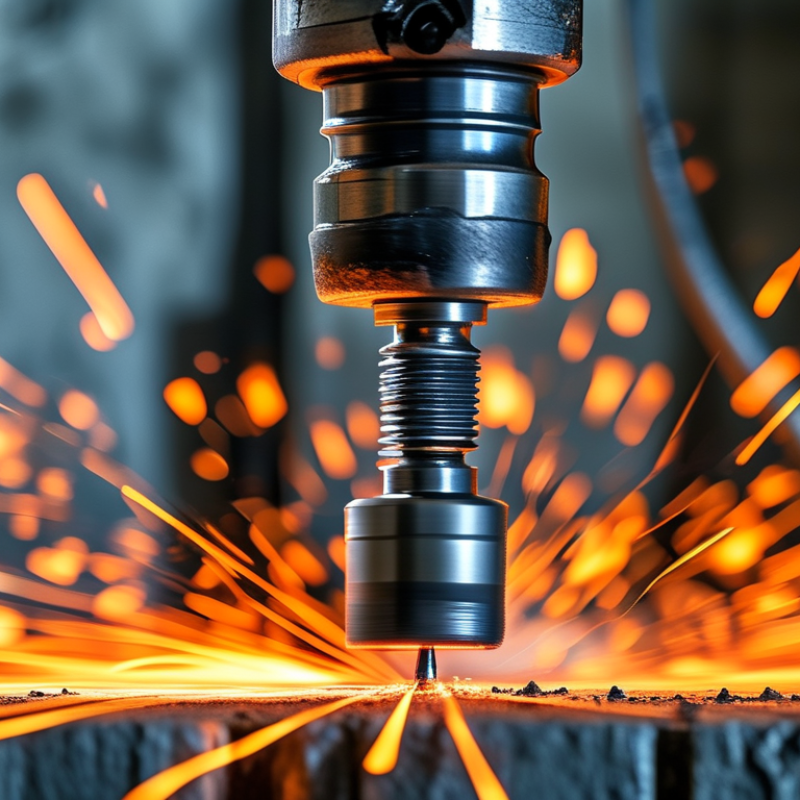
Why Does My Concrete Drill Bit Get Hot So Fast?

Factors Affecting Heat Generation in Concrete Drill Bits

Concrete drill bits often heat up quickly during use. Several factors contribute to this heat generation. One major factor is the material of the drill bit itself. Typically, diamond or carbide tips are used for their durability. However, the hardness of concrete creates friction, leading to heat build-up. A report by the American Concrete Institute indicates that the average temperature of a drill bit can rise to 300°F (149°C) within minutes of continuous use.

Another significant element is the drilling speed and pressure applied. High speeds, combined with excessive pressure, can enhance friction, increasing temperature. Research shows that reducing speed by 20% can prolong the bit's life and reduce overheating. Moreover, proper cooling is also essential. Using water as a coolant can significantly lower the temperature. Yet, many users overlook this, leading to premature wear.

Bit wear can also occur from inadequate sharpening. Dull bits require more force to penetrate concrete, generating additional heat. A study from the International Journal of Advanced Manufacturing Technology highlights that a well-maintained bit can perform more efficiently, generating less heat. This suggests that regular maintenance and appropriate techniques are crucial for managing heat during drilling operations.

Factors Affecting Heat Generation in Concrete Drill Bits

Material Composition and Its Impact on Heat Resistance

When using a concrete drill bit, many users notice it heats up quickly. The material composition of the drill bit plays a critical role in this phenomenon. Bits made from high-speed steel may be affordable, but they lack heat resistance. As they encounter dense materials, they absorb heat rapidly, leading to overheating.

In contrast, bits made from carbide provide better heat resistance. Carbide can withstand higher temperatures without losing its hardness. This difference becomes apparent during prolonged use. A poorly made drill bit might fail just when you need it to perform.

Choosing the right material is essential for efficient drilling. Inspect bits for signs of wear and overheating during use. Sometimes, the right technique can reduce heat buildup as well. Adjusting your drilling speed and pressure can lead to a more effective experience. Each project demands attention, and understanding your tools helps prevent unnecessary frustration.

Drill Bit Speed: Understanding RPM and Its Thermal Effects

When using concrete drill bits, understanding RPM is crucial. RPM, or revolutions per minute, significantly influences drilling efficiency and heat generation. A higher RPM can lead to faster penetration but also increased friction. As the drill bit rotates, it generates heat due to the resistance of concrete. Reports indicate that prolonged drilling at high RPM can elevate temperatures beyond 200°F in just a few minutes. This heat can cause premature wear or even structural failures in bits.

Effective cooling is essential to mitigate heat buildup. Regularly pausing while drilling allows the bit to cool down. Additionally, choosing the right drilling technique can make a difference. For instance, using a lower RPM with steady pressure can help manage the thermal effects. The U.S. National Institute of Standards and Technology emphasizes that drilling with optimal speed reduces wear and improves precision.

Drillers must be aware of these dynamics. An overheated drill bit can lead to erratic results and substantial costs. Ignoring thermal effects not only shortens bit life but also impacts project timelines. Effective monitoring and adjustments are vital to avoid these pitfalls. Understanding the interplay between RPM and heat can enhance both the durability of drill bits and the quality of work.

Lubrication and Cooling Solutions for Drilling Concrete

When drilling into concrete, heat generation is a significant concern. The hard material combined with friction creates excessive heat, which can damage drill bits and reduce drilling efficiency. To manage this, lubrication and cooling are essential. Water is a simple and effective coolant. Spraying water on the bit reduces the temperature and dissipates heat during the process. However, this method requires the drill to be designed for wet use.

Another way to prevent overheating is using specialized drilling lubricants. These products are designed to stick to the bit and provide an extra layer of cooling. They help to reduce friction and improve the bit's lifespan. Applying a small amount before starting can make a noticeable difference. Yet, some users may overlook this step, leading to frequent overheating issues.

Using appropriate drill settings is also crucial. Too much pressure can cause overheating, while too little can waste time. It's essential to find a balance. Many users rush through projects, leading to mistakes. Slower, controlled drilling reduces heat and increases precision. Adjust your approach based on the material and conditions. Cooling and lubrication are not just helpful; they are necessary for successful concrete drilling.

Proper Technique to Minimize Overheating During Use

When drilling concrete, overheating is a common issue. Choosing the right technique is crucial in minimizing this problem. First, ensuring the drill bit stays cool is vital. One effective way to do this is by taking breaks. Drilling continuously can cause rapid heat build-up. Instead, let your bit cool down periodically. This small adjustment can be significant in extending the life of your tool.

Proper speed settings also play a critical role. A slow and steady approach is often the best. Quick, forceful drilling may seem efficient but can easily lead to overheating. Finding the sweet spot in speed allows the bit to work effectively without burning out. Additionally, applying consistent but gentle pressure keeps the drill engaged without excessive friction.

It’s essential to use water or lubrication when possible. This not only helps cool the bit but also reduces dust. However, not all projects can accommodate this, leading to potential mistakes. Being aware of the environment can aid in making better choices. Reflecting on your technique can help you adapt for future tasks and avoid overheating issues. As you practice, you'll become more attuned to your equipment's limits and the best methods for success.

Why Does My Concrete Drill Bit Get Hot So Fast? - Proper Technique to Minimize Overheating During Use

Drill Bit Type Material Optimal RPM Cooling Technique Expected Temperature (°C)
Masonry Bit Carbide 600-800 Water Cooling 70-90
Diamond Bit Diamond-Coated 400-600 Air Cooling 80-100
Twist Bit High-Speed Steel 800-1200 Oil Cooling 90-110
SDS Hammer Bit Tungsten Carbide 500-700 Water Mist 60-80

FAQS

: Why do concrete drill bits heat up quickly?

: Concrete drill bits heat up due to friction created by the hardness of concrete.

What materials are commonly used for concrete drill bits?

Diamond and carbide tips are typical for their durability and heat resistance.

How does drilling speed affect heat generation?

High speeds and excessive pressure increase friction, resulting in higher temperatures.

Is cooling important when using drill bits?

Yes, using water or lubricants can significantly lower temperatures during drilling.

What happens if bits are not maintained properly?

Dull bits generate more heat and can fail during use, causing delays.

How does material composition impact heat resistance?

High-speed steel bits absorb heat quickly, while carbide bits resist overheating better.

What is the effect of improper lubrication?

Lack of lubrication can lead to increased friction and overheating, damaging the bit.

Should drill settings be adjusted for different materials?

Absolutely. Adjusting pressure and speed based on the material can prevent overheating.

Can well-maintained bits perform better?

Yes, proper maintenance ensures efficient performance and reduces heat generation.

What common mistakes do users make while drilling?

Rushing through projects or ignoring cooling methods can lead to overheating and errors.

Conclusion

Understanding "why does my concrete drill bit get hot so fast" involves examining several critical factors that contribute to heat generation. The material composition of the drill bit plays a significant role; high-quality materials can enhance heat resistance, reducing the intensity of overheating. Additionally, the drill bit's speed, measured in RPM, significantly impacts thermal effects. Faster speeds tend to generate more heat, which can be detrimental if not managed properly.

To mitigate overheating, implementing effective lubrication and cooling solutions is essential. Proper drilling techniques, such as maintaining a steady pressure and allowing the bit to cool intermittently, can further minimize heat buildup. By paying attention to these aspects, users can optimize their drilling experience and prolong the lifespan of their concrete drill bits.

Sophia

Sophia

Sophia is a dedicated marketing professional with an exceptional depth of knowledge about her company's products and services. With a keen understanding of market trends and customer needs, she crafts insightful blog posts that not only inform but also engage readers, enriching the company’s online......