Karam Tools
When smoke curls from a circular saw, the cause is usually friction, not a mysterious electrical failure. A dull or dirty blade can rub against the wood instead of cutting cleanly. The same can happen when the blade is misaligned, the kerf closes, or the saw is pushed too hard. Watch for brown scorch marks, a hot blade, and a sharp burning smell. Stop cutting and disconnect power before inspecting the tool.
If you are asking, “why is my circular saw smoking when cutting wood,” start with the blade, the cut, and your feed pressure. OSHA’s woodworking machinery guidance and NIOSH’s woodworking safety publications emphasize proper machine condition and control of wood dust. They do not, however, provide a reliable industry-wide statistic on how often circular saws smoke. Smoke is still a warning worth taking seriously. It may signal a simple blade problem, but continuing to cut can worsen damage or create a fire hazard.
This guide examines the common causes and the practical checks that help distinguish them. One sourcing note matters: no expert quotation was provided or independently verified for this introduction, so attributing a made-up line to a named specialist would be misleading. The details matter. A clean cut should not leave a smoking board.
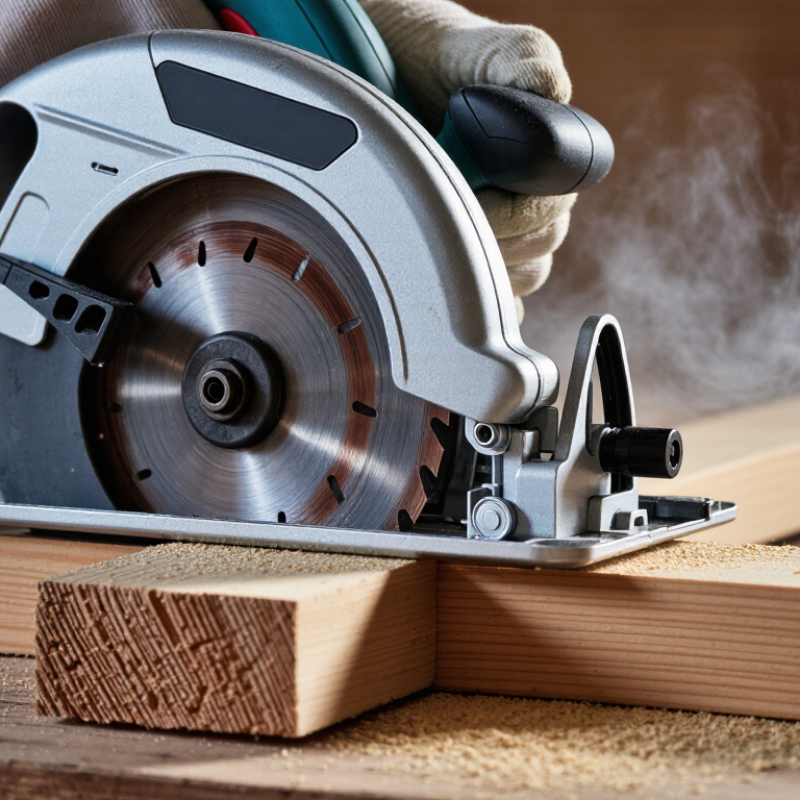
Smoke during a circular saw cut usually signals heat, not ordinary dust. A dull or resin-coated blade rubs instead of slicing cleanly, leaving dark, scorched edges. Too much feed pressure can make the motor labor; a pinched kerf can trap the blade and increase friction. Stop the cut. Disconnect power before inspecting the blade, checking alignment, or clearing packed sawdust. A sharp blade, steady feed, and well-supported stock reduce binding, though they cannot prevent every cause.
Look for smoke near the blade, a burning-wood smell, or a sudden change in motor sound. These clues help distinguish wood scorching from an overheating motor. They are not a diagnosis, though. OSHA’s 29 CFR 1910.1000, Table Z-1, lists wood-dust exposure limits of 15 mg/m³ total dust and 5 mg/m³ respirable dust as 8-hour time-weighted averages. Those limits address airborne dust, not smoke or safe saw operation; visible haze still warrants stopping, ventilating, and finding the source. Inspect for pitch buildup, a warped blade, restricted airflow, or a workpiece that closes around the cut. Some causes are easy to miss.
Top Reasons Why Your Circular Saw Smokes When Cutting Wood?
How to Identify the Source of the Smoke
Stop cutting as soon as smoke appears, then switch off and unplug the saw. Let the blade cool before inspecting it. Look at the wood first: dark burn marks along the cut often point to friction. A dull, dirty, or unsuitable blade can rub instead of slicing cleanly. So can pushing too hard or feeding the saw too slowly. Check for pitch or packed sawdust between the teeth.
Notice where the smoke comes from and what it smells like. Smoke rising directly from the cut may indicate blade friction or scorching wood. Smoke near the motor, especially with a sharp electrical odor, can signal overheating or a worn internal part. That clue is not a diagnosis. Damp or resin-rich wood can also produce unusual smoke, and smells vary.
With the saw unplugged, check that the blade spins freely and is firmly attached. Inspect the teeth for damage, resin, or uneven wear, and make sure the guard moves properly. Keep your hands away from the teeth. If the blade looks sound, try a short cut in dry scrap wood with light, steady pressure. Still smoking? Stop using the saw and have it checked by a qualified repair technician. I’ve found that burn marks are easy to notice; the real source can be less obvious.
| Possible Source | Typical Clues | Safe Checks | What to Do |
|---|---|---|---|
| Dull or damaged blade | The saw cuts slowly, requires extra pressure, or leaves scorched marks along the cut. Teeth may look rounded, chipped, or missing. | Unplug the saw or remove its battery. Inspect the blade for damage, heavy wear, or residue. | Replace a damaged blade. Have a dull blade professionally sharpened or replace it; do not force the saw through the wood. |
| Blade binding or pinching | The blade slows, the saw becomes harder to push, or smoke appears as the cut closes behind the blade. The workpiece may shift or sag. | Disconnect power before checking the setup. Make sure the wood is supported on both sides without allowing the kerf to close on the blade. | Reposition and secure the workpiece, keeping the offcut free to move. Never pull a running saw backward out of a binding cut. |
| Feed rate is too fast | The motor sounds strained, the blade slows, and smoke or burning marks appear during a forceful cut. | With the saw disconnected, check that the blade is suitable and in good condition. Review whether the cut was being pushed too quickly. | Use a steady feed that lets the blade cut at its own pace. Stop if the motor bogs down; do not force the cut. |
| Resin, pitch, or debris on the blade | Sticky or dark buildup is visible on the blade, and the saw may cut less smoothly or produce a burning-wood odor. | Disconnect power and wait for the blade to stop and cool. Inspect it for buildup, following the saw and blade manufacturers’ cleaning guidance. | Clean the blade only with an appropriate method and keep it dry before use. Replace it if damaged or if buildup cannot be safely removed. |
| Blade type or cutting depth is unsuitable | Burning occurs repeatedly in a particular material or cut, even when the saw is advanced steadily. | With power disconnected, confirm that the blade is intended for the material and saw, and that the cutting depth is set as specified in the manual. | Use a compatible blade and correct setup for the job. Follow the saw manufacturer’s instructions for depth and adjustment. |
| Motor overheating or electrical fault | Smoke appears to come from the motor housing or vents, or there is an electrical or plastic odor, unusual sparking, or repeated loss of power. | Switch off and disconnect power if it is safe to do so. Do not open the housing or continue testing the saw. | Stop using the saw and have it inspected by a qualified repair professional. Do not use it again until the fault has been addressed. |
Safety: If smoke appears, stop the saw and disconnect power before inspecting it. Let the blade stop completely and cool. If smoke comes from the motor or electrical parts, do not restart the saw; arrange a qualified inspection.
A circular saw often smokes when blade friction builds faster than the teeth can remove heat and chips. A dull blade, resin-coated teeth, or a blade with too many teeth for rough lumber can rub instead of cut cleanly. You may hear the motor slow and see dark dust gather along the kerf. Forcing the saw through the board makes this worse. It is easy to blame the motor too quickly; the blade and feed rate are often the real issue.
Wood condition matters, too. The USDA Forest Products Laboratory’s Wood Handbook reports an average fiber saturation point near 30% moisture content, though values vary by species. This is not a smoke threshold. It shows why moisture changes wood behavior; wet or resinous stock can also load teeth with sticky chips. OSHA’s woodworking guidance stresses appropriate, well-maintained cutting equipment. A blade suited to the material, with clean, sharp teeth, reduces rubbing and helps clear chips. If smoke continues, stop and check for a pinched kerf, misalignment, or a blade that is binding.
Tips: Unplug the saw before inspecting it. Let the blade cool, clean packed resin, and check that the cut is straight. Feed steadily; do not push harder when the saw slows. If smoke returns, stop cutting and reassess the setup.
A smoking circular saw often signals motor overload, electrical resistance, or mechanical friction. A dull blade or rushed feed can strain the motor, especially when the cut pinches the blade. Blocked cooling vents trap heat; worn brushes may cause uneven power and a sharp, hot smell. Stop cutting. Unplug the saw and let it cool before checking the blade and vents. Smoke is not a normal workload indicator.
Electrical faults need equal attention. A frayed cord, loose plug, or hot outlet can create resistance and heat. NFPA’s Home Structure Fires Involving Electrical Distribution or Lighting Equipment report estimated about 32,000 such U.S. home fires annually from 2015 to 2019. That broad figure is not specific to saws, but it shows why electrical warning signs deserve care. Don’t keep testing a smoking tool. Have damaged wiring checked by a qualified repair technician.
Mechanical trouble can look similar. Worn bearings, a bent arbor, or a misaligned blade may create vibration, squealing, and heat near the blade housing. Look for wobble or a burning odor, not just smoke. A partly dull blade can be easy to miss. That’s worth reflecting on: users often blame the motor before checking the cut. If smoke returns after the saw cools and the blade is clear, stop using it and arrange inspection.
Smoke is a warning, not a cue to push harder. Stop the saw, release the trigger, and disconnect its power or battery before inspecting it. A dull, resin-coated, or unsuitable blade can rub instead of cutting cleanly. So can a pinched kerf, crooked feed, or a board that shifts mid-cut. I used to blame the motor too quickly; that can miss a binding blade. Check for damaged teeth, clear buildup, and confirm the blade is aligned and the guard moves freely. If smoke comes from the motor housing, stop using the saw and arrange a qualified inspection.
Set the blade depth so its teeth extend about 6 mm below the board. Support both sides of the cut, keep the base plate flat, and let the blade reach full speed before feeding steadily. Never force it. Wear eye and hearing protection, and use dust extraction where possible. NIOSH’s Pocket Guide lists a recommended time-weighted exposure limit of 1 mg/m³ for wood dust; extraction helps reduce airborne dust, though it does not replace safe cutting technique. Keep hands clear of the cut line, and wait for the blade to stop before setting the saw down. If the cut starts smoking again, stop and find the cause rather than finishing through it.
Stop cutting, switch it off, and disconnect its power. Let the blade cool before checking anything. Don’t push through the smoke.
Dark marks often point to friction. A dull, dirty, or unsuitable blade may be rubbing the wood instead of slicing it cleanly.
Yes. Smoke rising from the cut may indicate scorching or blade friction. Smoke near the motor, especially with a sharp electrical smell, needs a qualified inspection.
Unplug the saw first. Look for damaged teeth, packed sawdust, resin, or uneven wear. Check that the blade is firmly attached and spins freely.
Yes. Damp or resin-rich wood can load the teeth with sticky chips and create unusual smoke. Wood varies, so this clue alone is not a diagnosis.
Forcing the saw, feeding too slowly, or guiding it crookedly can increase friction. Keep the base plate flat and feed steadily. Easier said than done.
Use a clean, sharp blade suited to the material. Support both sides of the board, set the blade about 6 mm below it, and let the saw reach full speed.
Stop if smoke returns after you check the blade and setup. Smoke from the motor housing or a persistent electrical odor calls for qualified repair. The source may be less obvious than it looks.
If you are wondering, “why is my circular saw smoking when cutting wood,” the cause may be a dull, dirty, damaged, or unsuitable blade, or cutting conditions that create too much friction. Forcing the saw through wood, using the wrong blade for the material, or allowing chips to build up can overheat the blade and produce smoke. The smoke’s location and smell can offer clues: smoke near the blade often points to friction or binding, while smoke from the motor area may indicate an electrical or mechanical issue.
Stop cutting as soon as smoke appears, unplug the saw, and let it cool before checking it. Inspect the blade, material, and saw for damage, debris, binding, or signs of overheating. Keep the blade sharp and appropriate for the cut, support the wood securely, and guide the saw steadily without forcing it. If smoke continues or you notice unusual sounds, sparks, or a burning electrical smell, discontinue use and have the saw inspected.
