Karam Tools
Karam Tools
Karam Tools
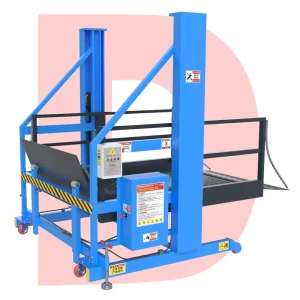
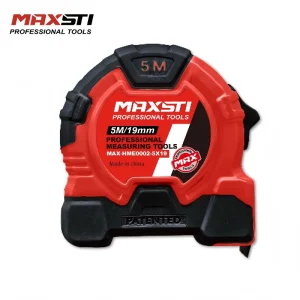
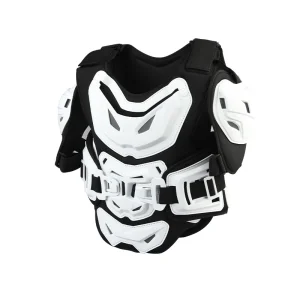
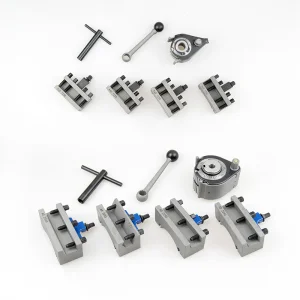
Explore our diverse manufacturing output, from industrial-grade lift systems to high-precision hardware tools designed to sustain rigorous industrial operations.
A comprehensive analysis of metallurgical structures, OEM manufacturing pathways, and macroeconomic factors driving the global demolition machinery sector.
The global demolition sector is undergoing a massive transformation. No longer confined to basic wrecking balls and standard hydraulic excavators, modern projects require high-reach demolition configurations, heavy-duty shear attachments, concrete pulverizers, and specialized multi-demolition processors. Because of the vast array of variables in urban environments, generic machinery often falls short. This is where customized OEM (Original Equipment Manufacturer) and ODM (Original Design Manufacturer) demolition components become essential.
For procurement officers in major construction conglomerates, obtaining reliable, high-yield demolition components involves strict quality benchmarks. Heavy machinery components must withstand repeated cyclical stresses, extreme shock loads, and abrasive debris. Purchasing teams now prioritize manufacturers with fully integrated production ecosystems—companies that can control every step, from raw metallurgical verification to CNC precise machining, welding, sandblasting, and heat treatment.
Rapid urban renewal, infrastructure decommissioning, and brownfield rehabilitation are driving massive growth in the demolition sector. High-density urban areas present unique challenges: strict noise constraints, vibration control, and dust containment. Standard heavy equipment often cannot operate under these limits. Custom OEM demolition attachments, such as low-noise hydraulic crushers and precise high-reach shear mechanisms, provide the solution.
By leveraging customized structural solutions, demolition companies can achieve higher efficiency while minimizing environmental impact. For instance, integrated dust-suppression systems can be built directly into the hydraulic cutter heads. Specialized wear plates can also be engineered to match the abrasive profiles of specific target materials, such as reinforced concrete, structural steel, or composite masonry.
Zhejiang Karam Tools Co., Ltd. operates a modern production facility designed for highly efficient workflows. The manufacturing facility is divided into dedicated zones: raw material storage, machining, quality inspection, and packaging. This layout ensures strict quality control and a smooth transition from raw materials to finished products.
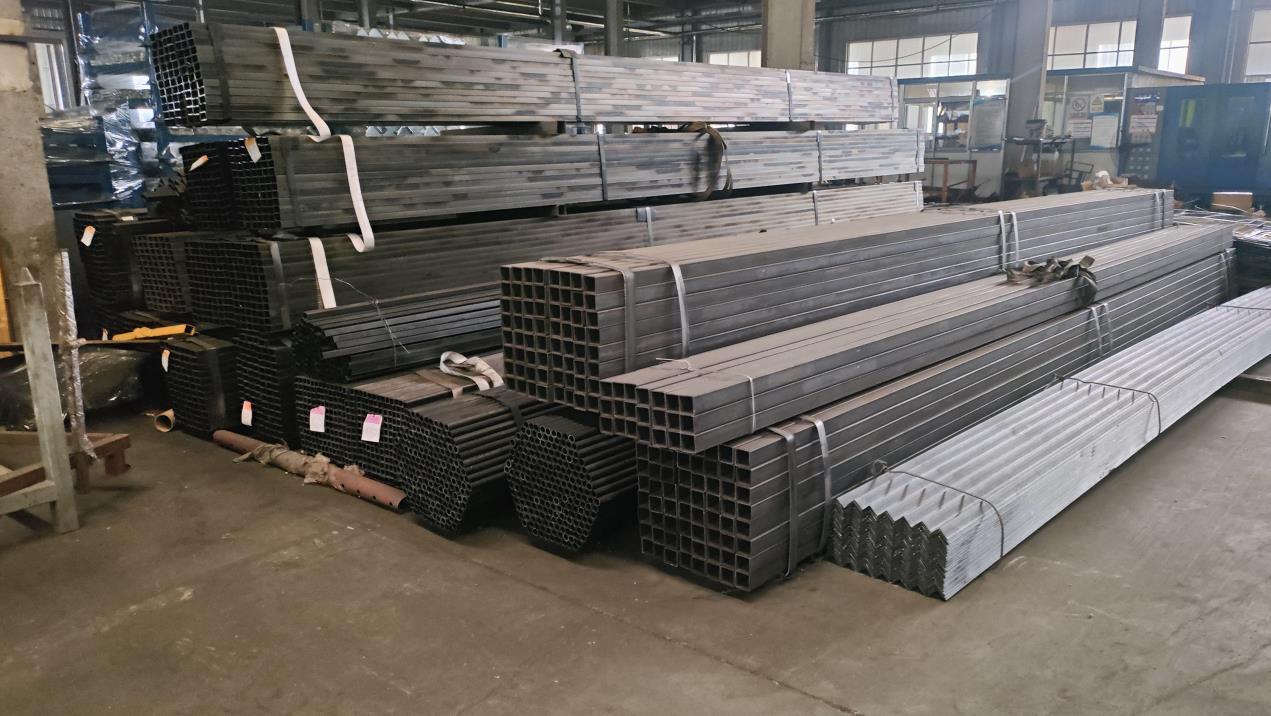
Systematic entry and cataloging of high-grade alloy steel plate stocks. Rigorous batch testing verifies chemical composition and mechanical properties prior to processing.
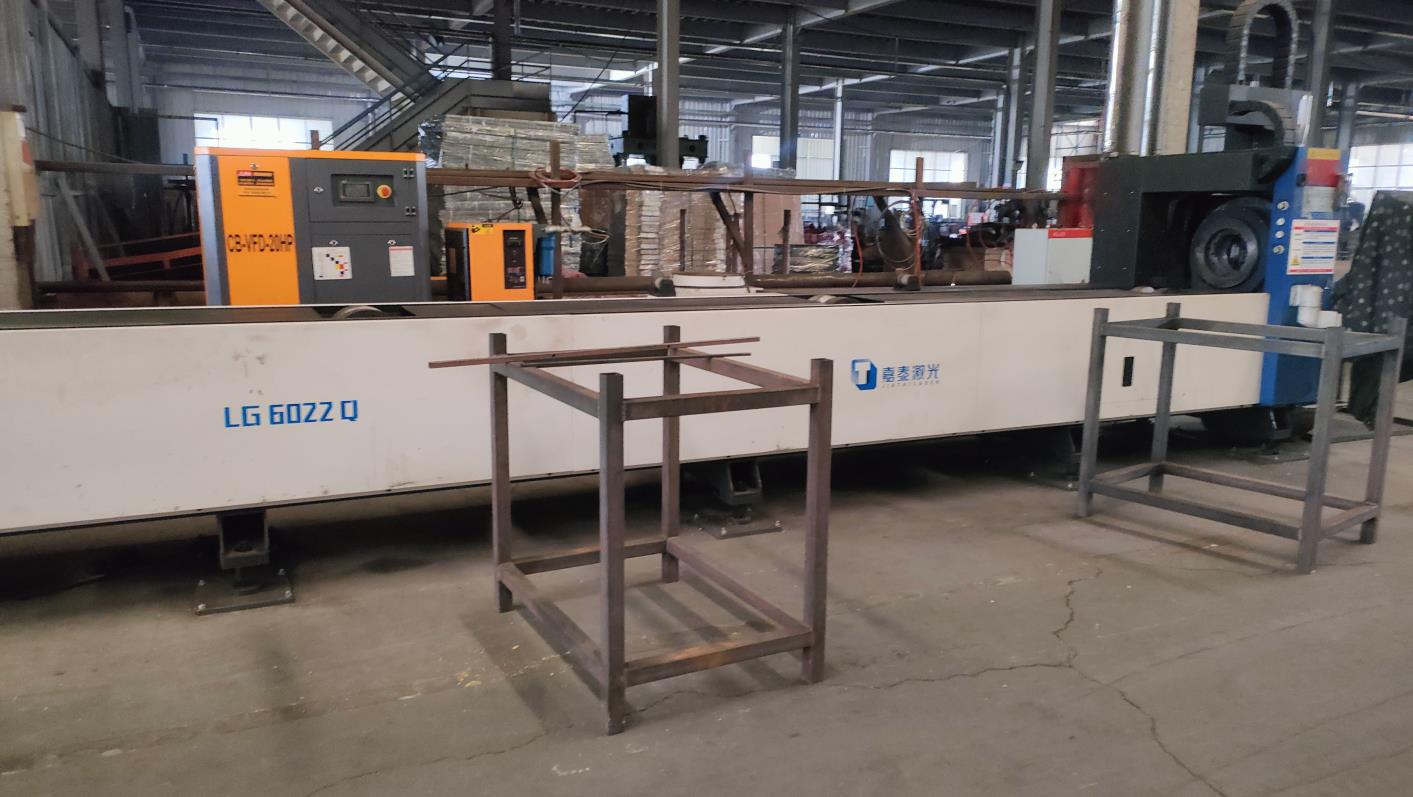
High-power CNC cutting machines slice structural plates with minimal thermal distortion, preserving metallurgical integrity along critical margins.
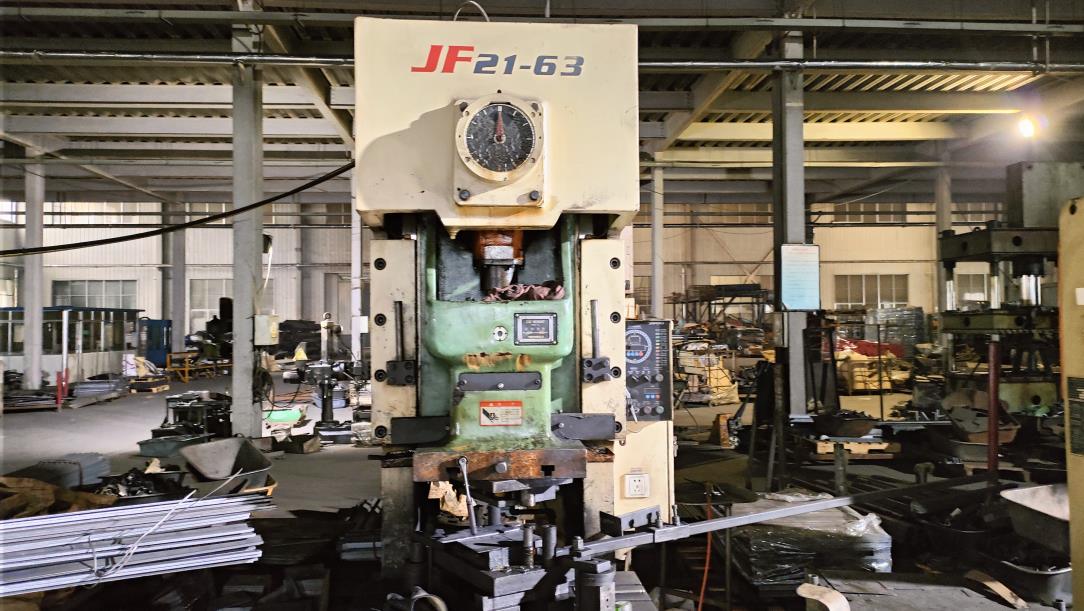
Initial structural tacking and alignment of component assemblies. Precise tooling jigs ensure tight tolerances and consistent geometry.
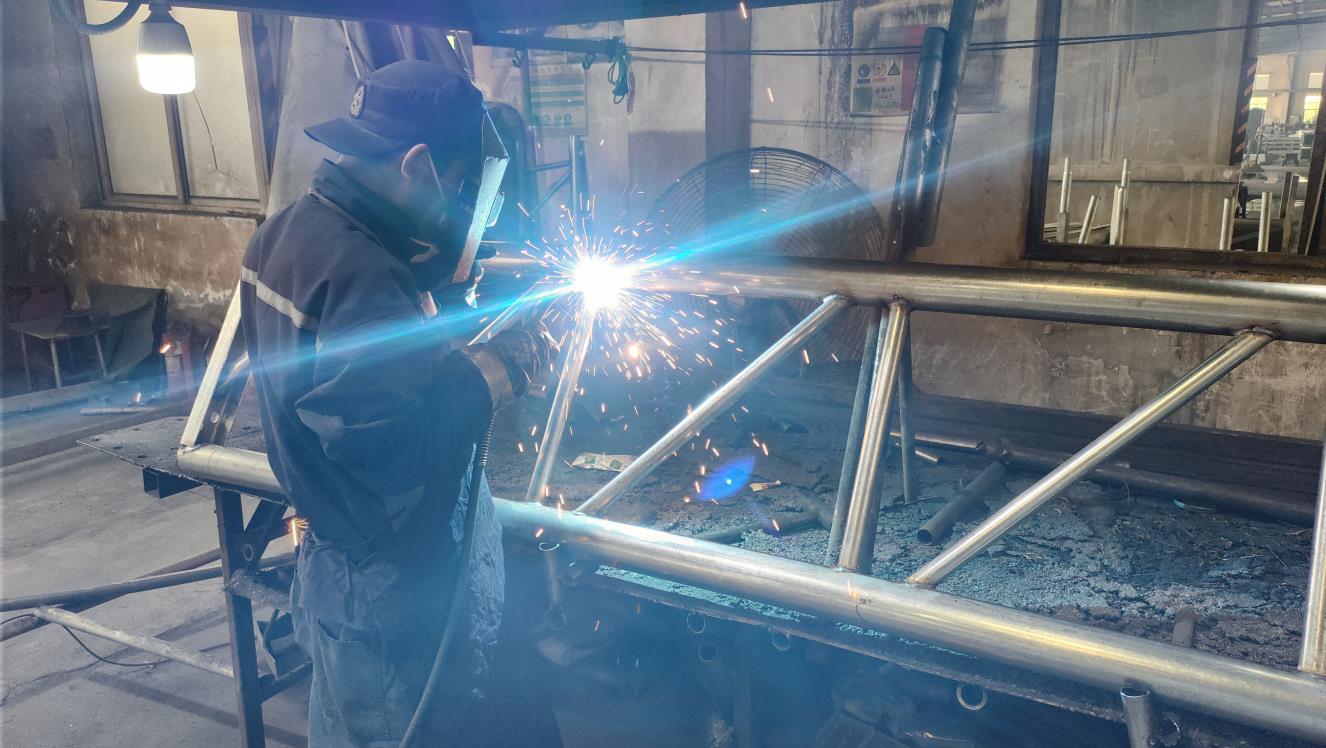
Welding is executed under controlled conditions. Continuous deep-penetration multi-pass welds prevent fatigue and withstand high operating pressures.
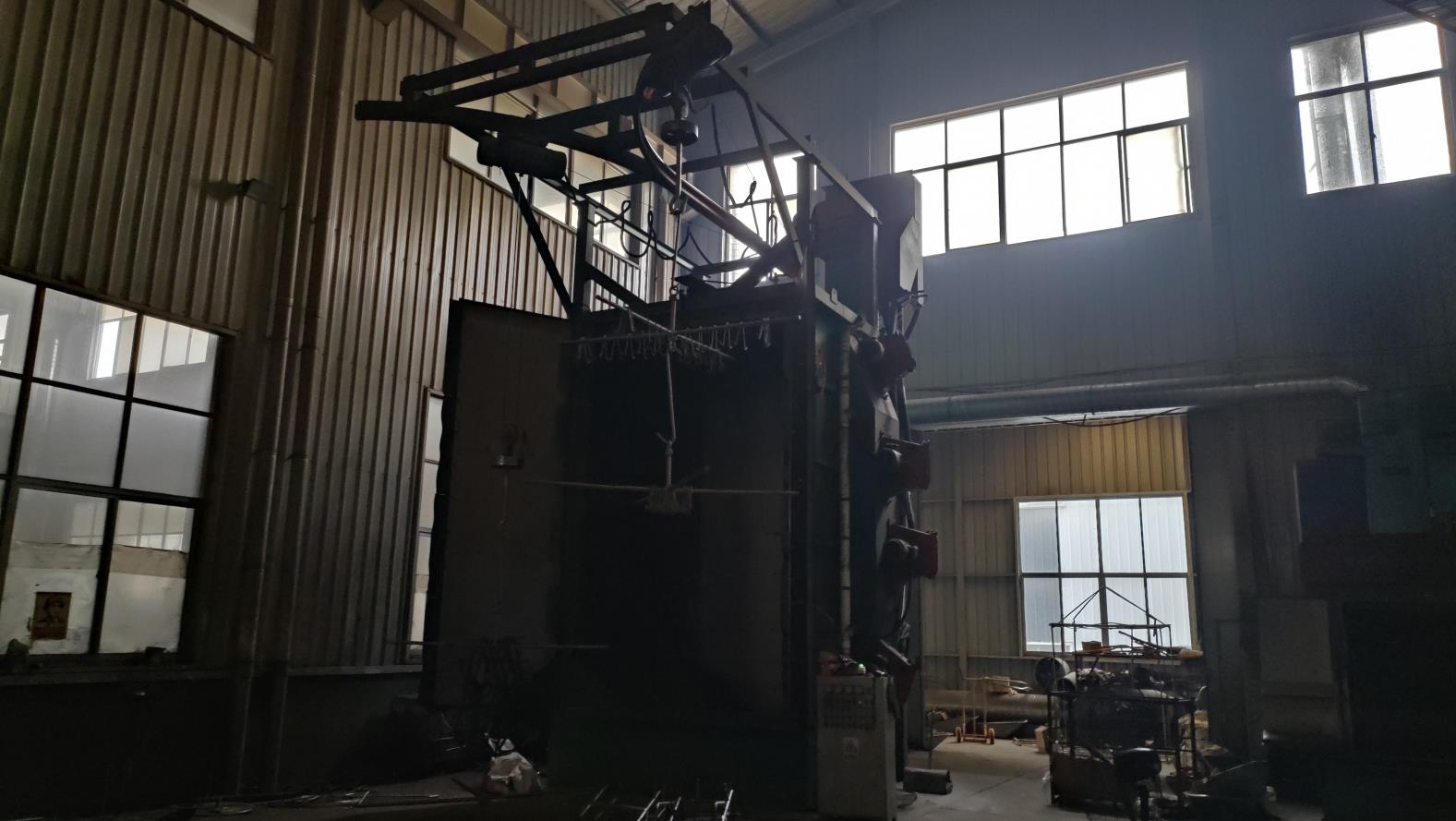
Thorough blast cleaning eliminates mill scale, oxides, and surface impurities, preparing a high-profile texture for optimum paint adhesion.
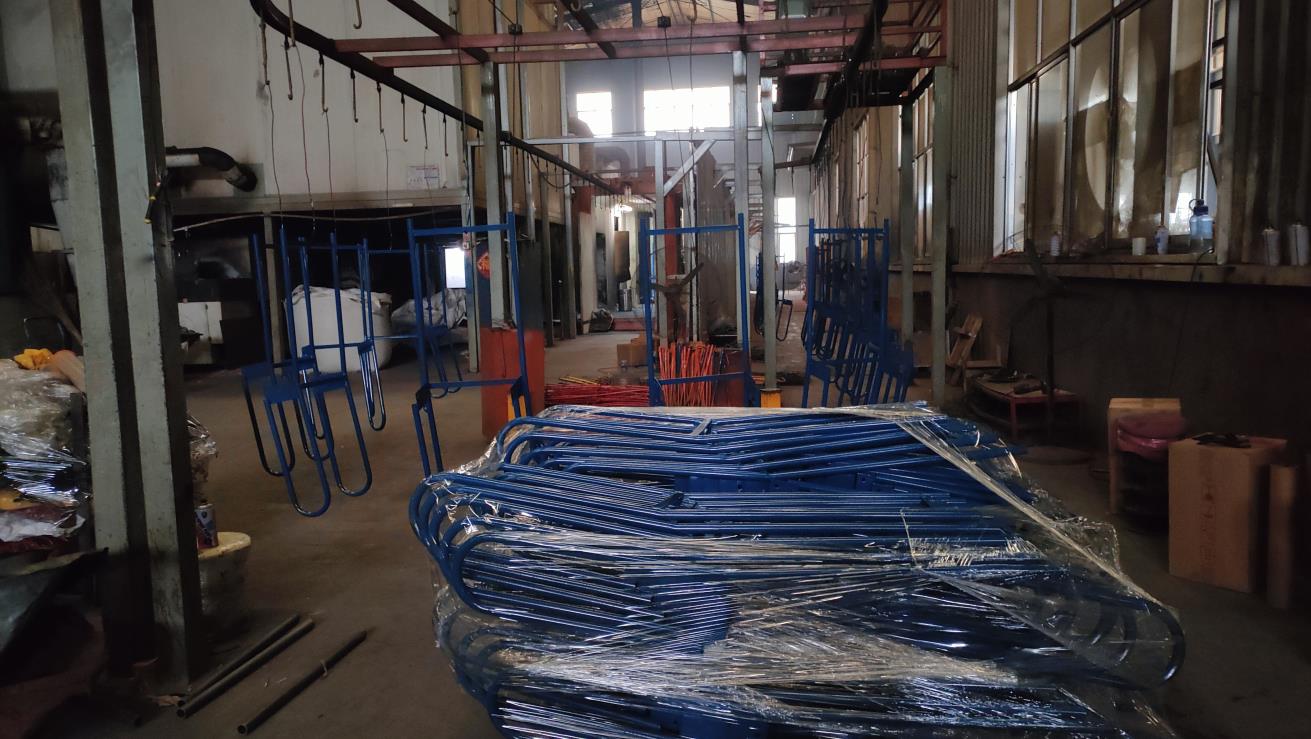
Multi-layered industrial coating application. A rust-inhibiting primer combined with a durable topcoat protects the steel from environmental wear.
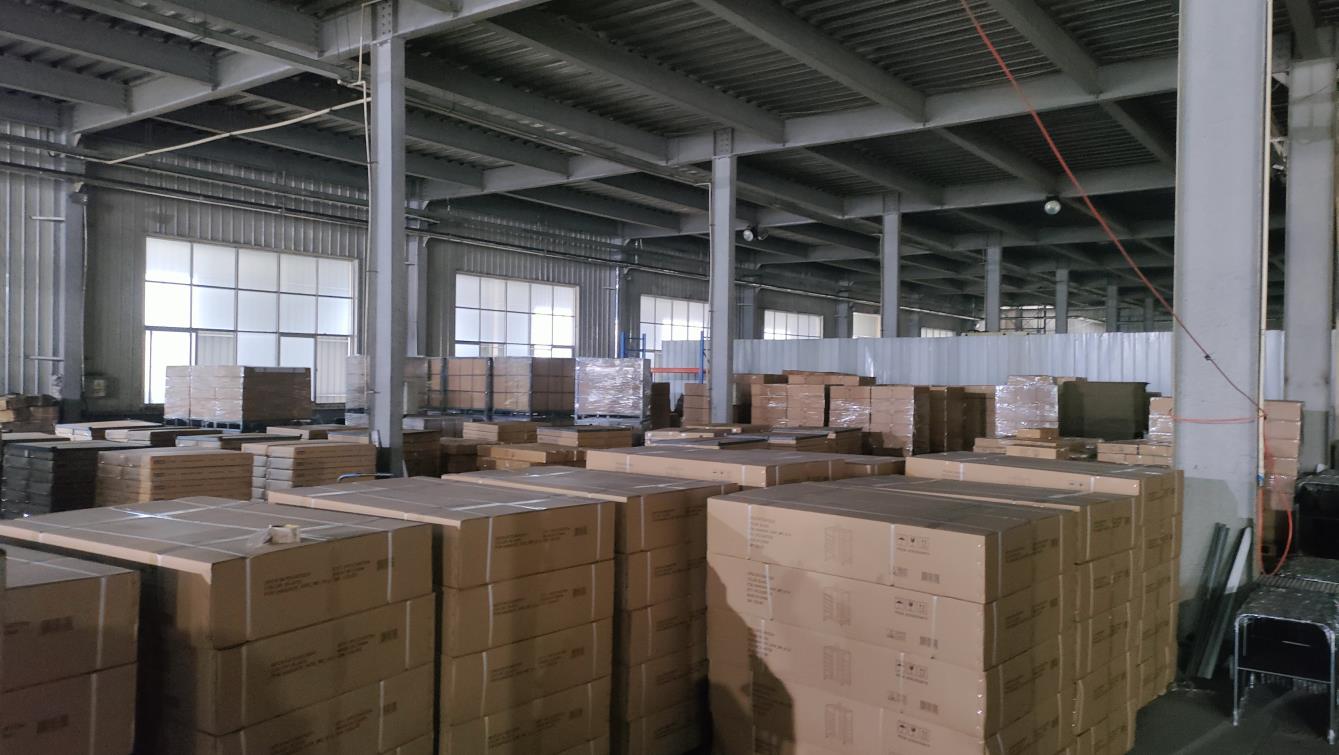
Finished assemblies are securely packed to prevent transit damage during long-distance domestic and international shipping.
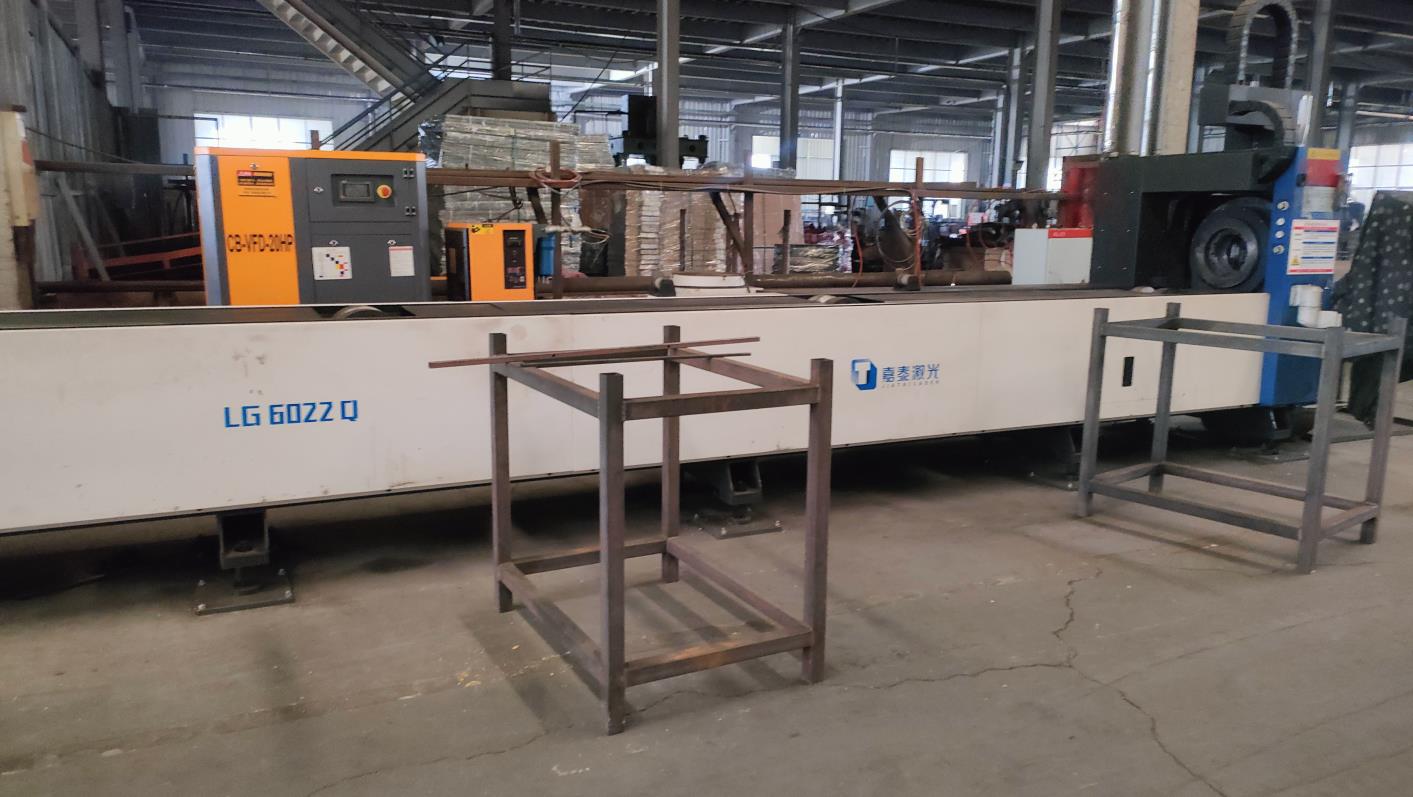
High-speed, automated laser cutting for cylindrical steel stocks and hydraulic pipeline guides, ensuring clean finishes and exact tolerances.
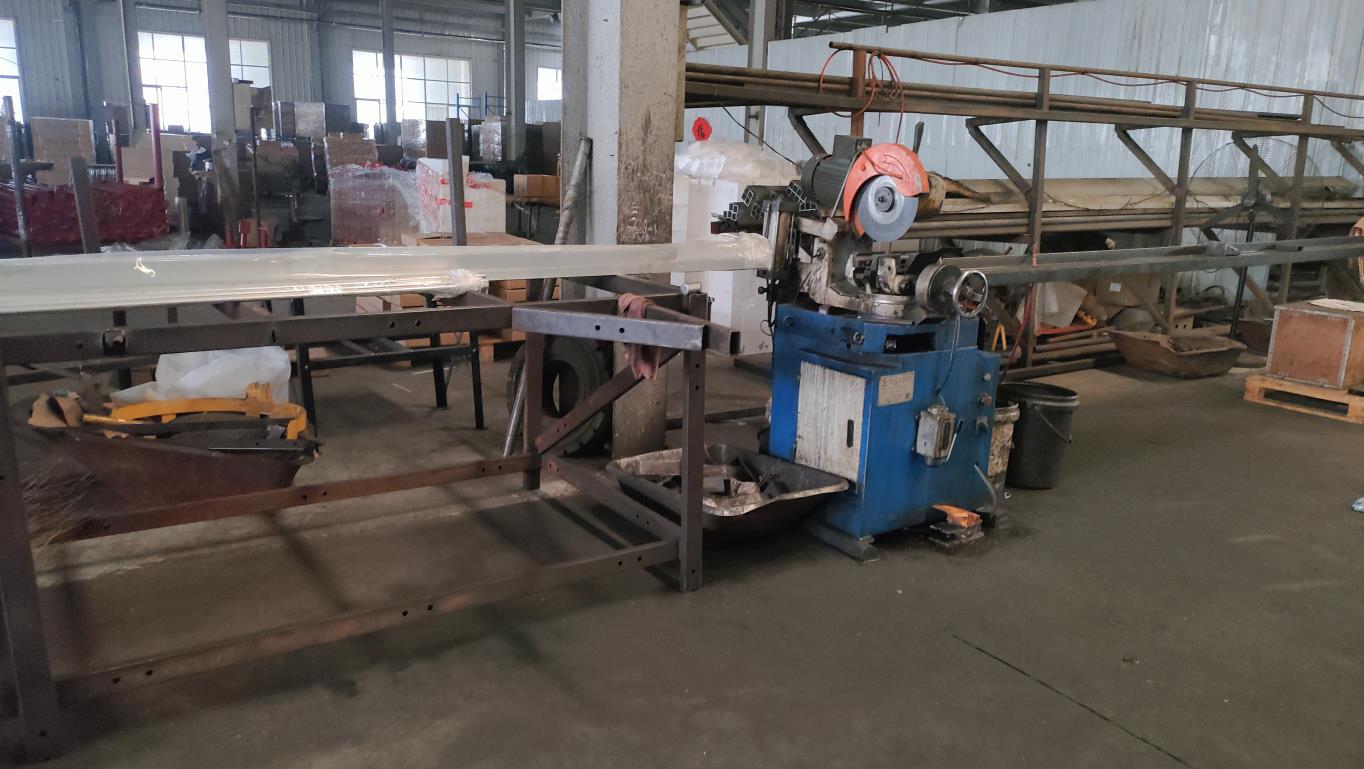
Dedicated heavy-duty abrasive cutting stations prepare thick-walled structural steel tubing for pivot assemblies.
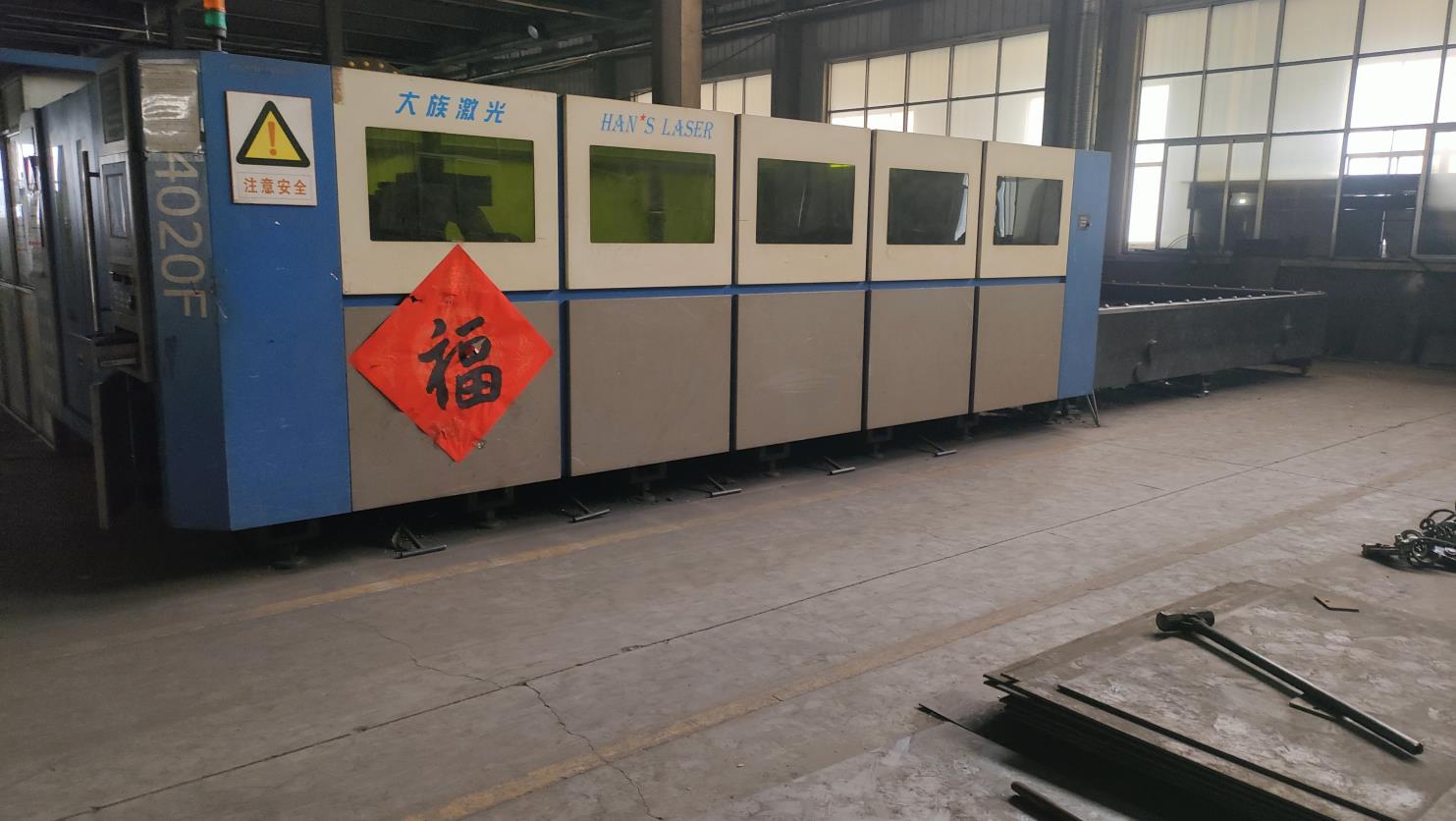
High-power fiber laser machines process detailed plate layouts, optimizing nesting patterns to reduce material waste.
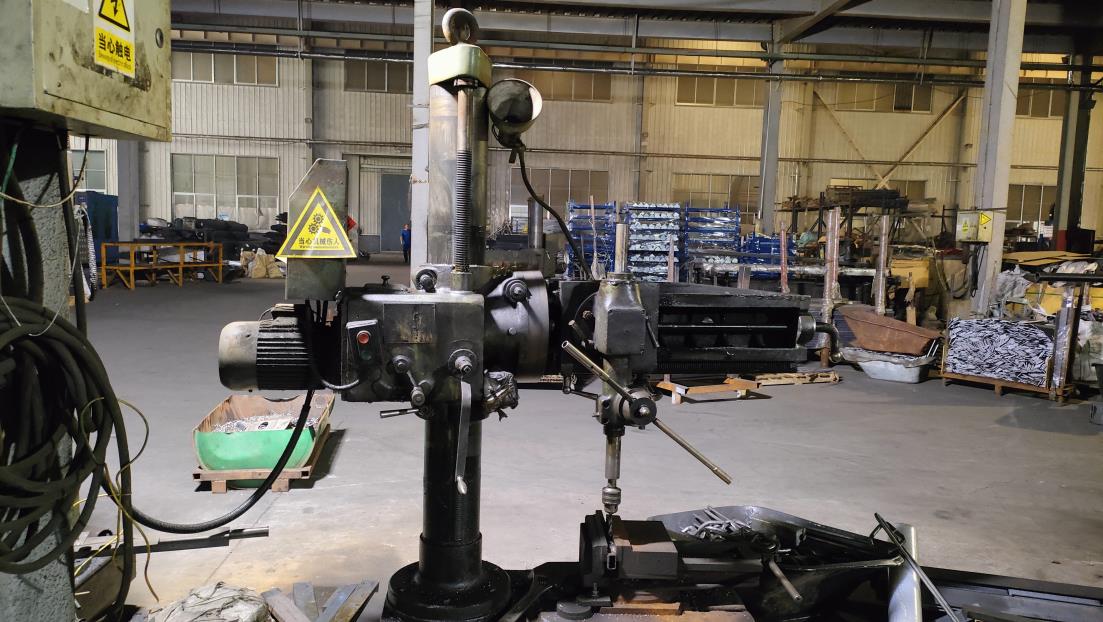
High-speed radial and CNC drilling centers tap mounting holes and bore pivot channels, ensuring precise alignment on the jobsite.
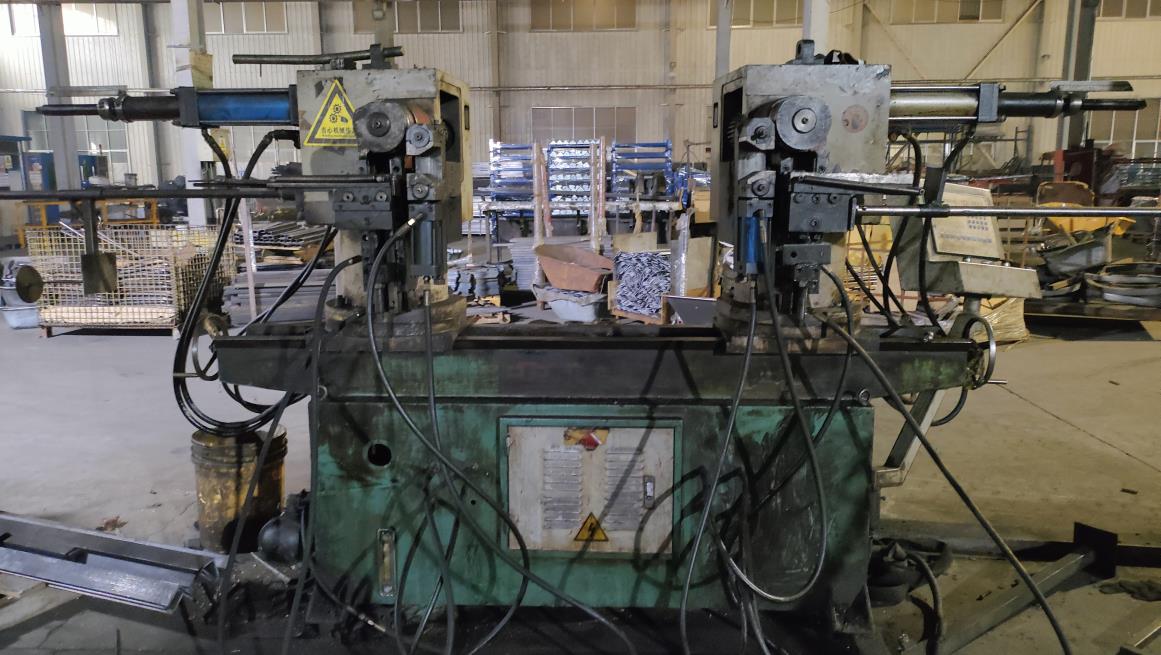
CNC hydraulic press brakes form structural channels and curved plate profiles, minimizing the need for multi-part welded seams.
Innovation drives our development. Our R&D team continuously explores new materials, structural refinements, and automated manufacturing techniques to optimize product lifecycle performance.
At Zhejiang Karam Tools Co., Ltd., research and development are central to our long-term growth. Our dedicated engineering team is focused on structural fatigue life modeling, hydraulic circuit optimization, and advanced metallurgy. In heavy-duty tools and customized assemblies, even minor design improvements can yield major benefits in field efficiency and lifecycle cost reduction.
By using finite element analysis (FEA) software, our engineers simulate real-world stress profiles on demolition booms and attachment shears before physical fabrication begins. This process identifies potential stress concentrations, allowing us to modify weld geometry and plate thickness accordingly. Additionally, we actively research wear-resistant cladding techniques to extend the lifespan of components operating in abrasive environments.
Integrating hard-facing alloys and custom abrasion-resistant steels (e.g., Hardox equivalents) to prolong attachment life in high-impact concrete crushing applications.
Optimizing hydraulic valve designs to minimize oil turbulence, reduce pressure drop, prevent heat buildup, and maximize mechanical shear force output.
Applying deep weld penetration techniques and post-weld stress relief (PWHT) to guarantee structural components withstand high-vibration applications.
Industrial demolition projects require strict adherence to local safety and environmental regulations. Our engineering and manufacturing pipelines are aligned with international quality management systems, including ISO 9001, ISO 14001, and ISO 45001. We ensure that every custom attachment conforms to the regulatory standards of its destination market, whether that involves CE compliance in the European Union or OSHA and ANSI compliance in North America.
In addition to regulatory compliance, we offer technical documentation support, including dynamic load charts, hydraulic schematics, and detailed maintenance guidelines. This level of support simplifies the integration of our custom OEM attachments into existing fleets, ensuring safe and efficient operations from day one.
Each production run undergoes non-destructive testing (NDT), including ultrasonic and magnetic particle inspections, to verify weld integrity. Critical cylinder rods are chrome-plated and salt-spray tested to resist rust in marine and wet environments. Our testing protocols verify both component safety and long-term durability on the jobsite.
Answers to common technical and procurement questions regarding custom OEM manufacturing and tool design.
Explore our high-performance pneumatic systems, diamond grinding cups, and measurement tools designed for industrial jobsites.