Karam Tools
Karam Tools
Karam Tools
Nigeria, as the largest economy in Africa, is currently undergoing a massive transformation across its infrastructure, energy, and manufacturing sectors. From the sprawling urban developments in Lagos to the critical oil and gas operations in the Niger Delta, the demand for robust, high-precision hydraulic tools has never been greater. For Nigerian industrial procurement officers and engineers, the challenge lies in sourcing equipment that can withstand the rigors of local environmental conditions while maintaining the highest levels of safety and efficiency.
Hydraulic technology provides the "heavy lifting" power required for Nigeria’s most ambitious projects. Whether it is the installation of high-voltage transmission lines under the Presidential Power Initiative (PPI) or the maintenance of massive refineries, hydraulic crimpers, wrenches, and jacks are the unsung heroes of industrial progress. Our mission is to bridge the gap between world-class manufacturing excellence and the specific operational needs of the Nigerian market.
The synergy between Chinese industrial innovation and Nigerian development is a cornerstone of South-South cooperation. China’s advanced manufacturing hubs, particularly in Zhejiang, have mastered the balance of Information Gain—using data-driven R&D to produce tools that are lighter, stronger, and more energy-efficient than traditional western counterparts, but at a significantly more competitive total cost of ownership (TCO).
At Zhejiang Karam Tools Co., Ltd., we don't just export products; we export reliability. For the Nigerian market, we focus on three key technical advantages:
Zhejiang Karam Tools Co., Ltd. is a comprehensive manufacturing enterprise specializing in the research, development, production, and global distribution of high-quality tools. Guided by the principles of “quality first, innovation-driven development, and customer orientation,” the company has built a solid reputation for reliable products across the African continent.
The company operates a modern production facility with a well-structured layout designed for efficient workflow management. The manufacturing zones are clearly divided into raw material storage, machining, quality inspection, and final packaging areas. This systematic arrangement ensures that every hydraulic jack or crimper reaching a Nigerian port meets international ISO standards.
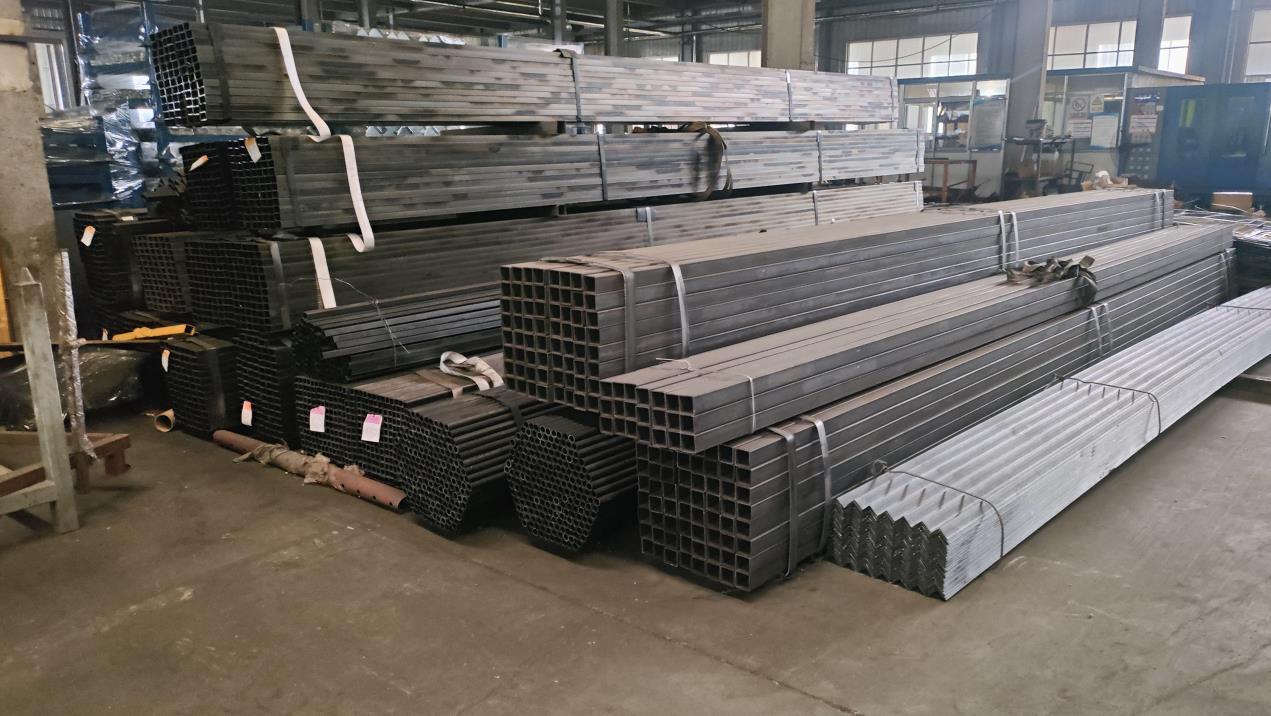
Raw Materials Storage
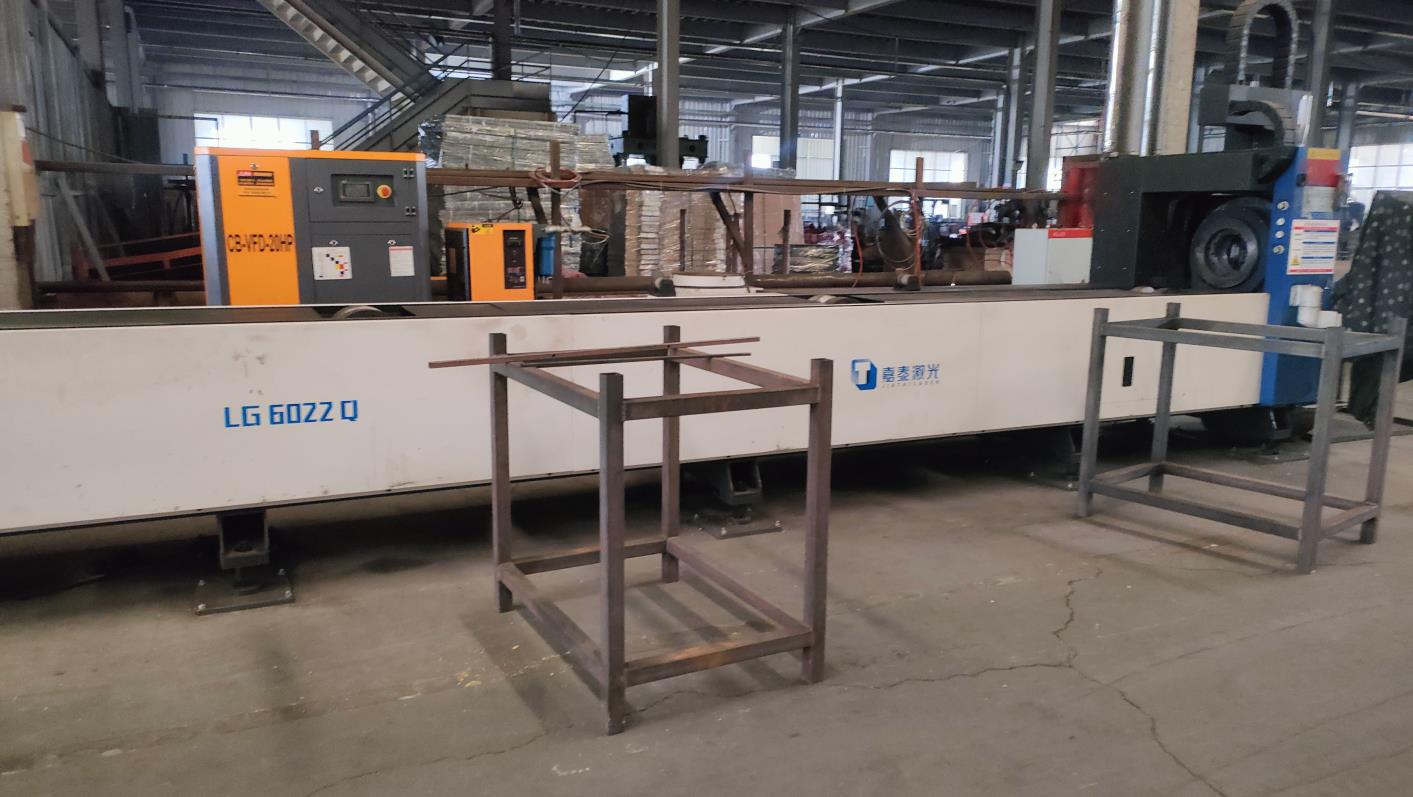
Precision Cutting
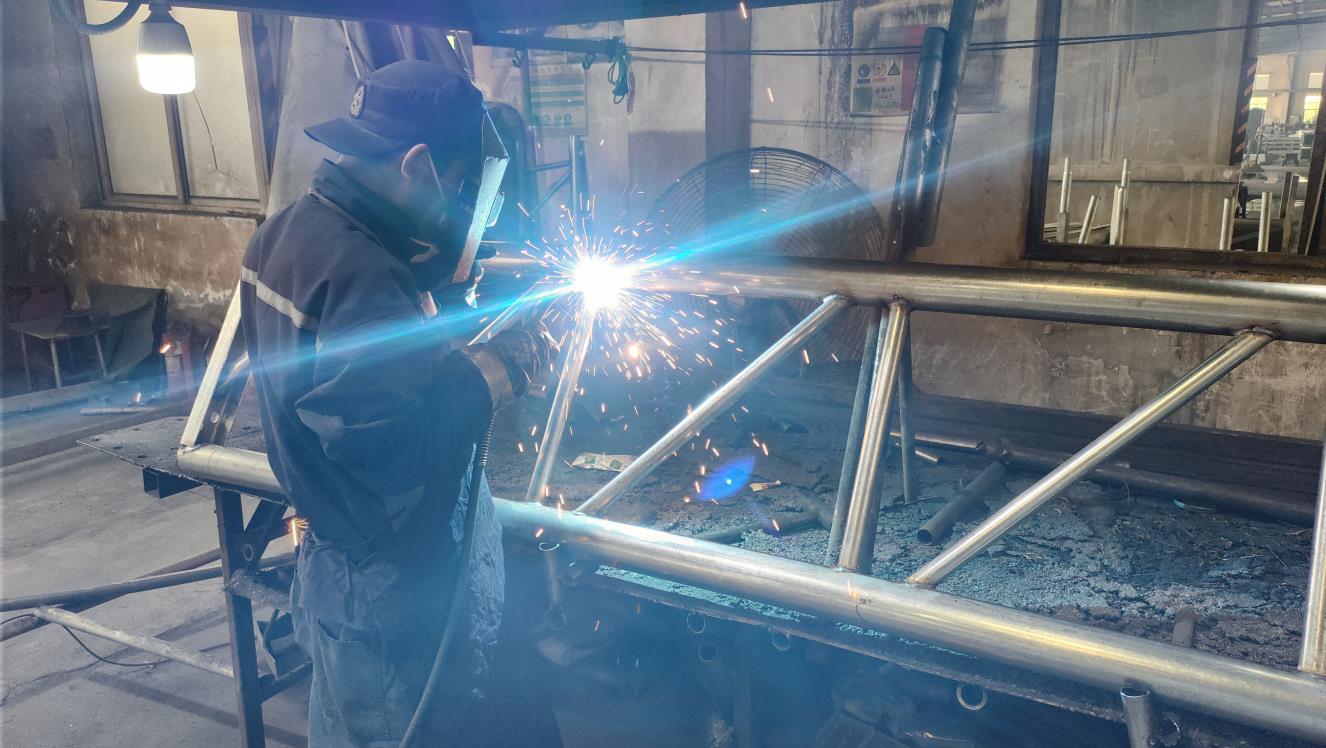
Expert Welding
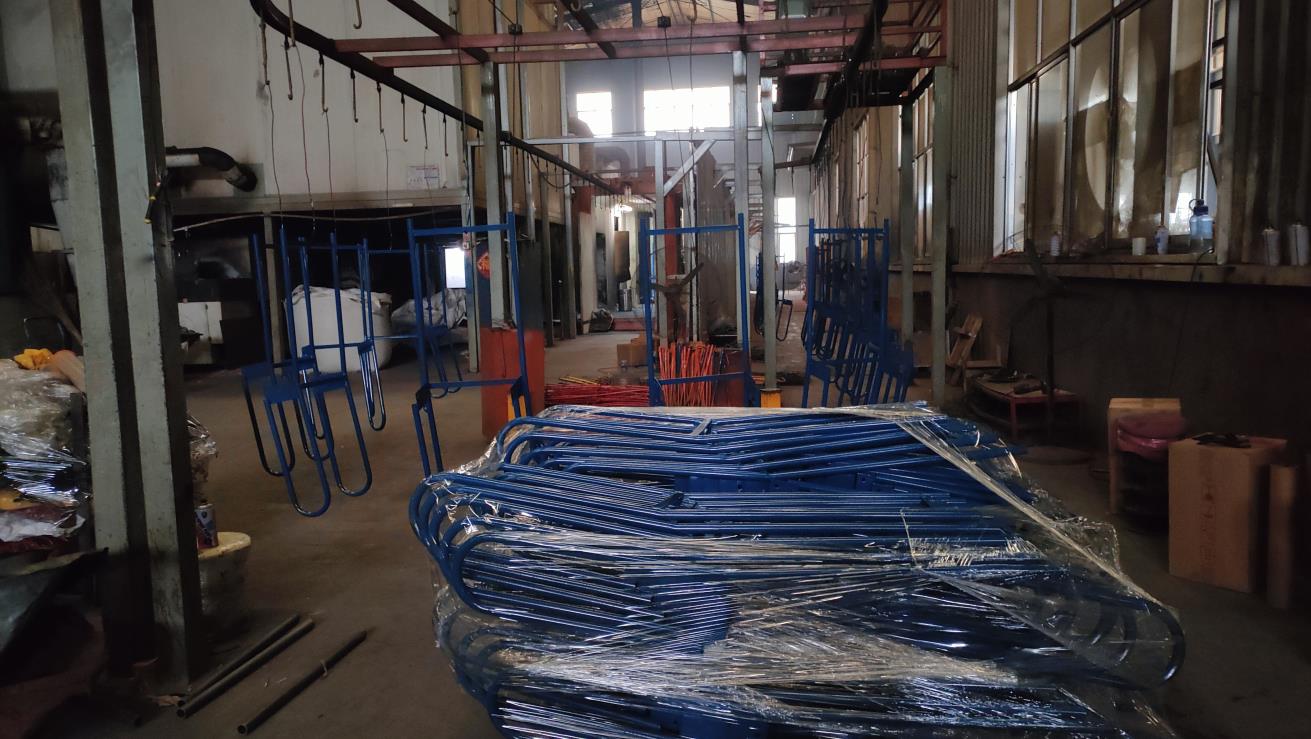
Spray Painting
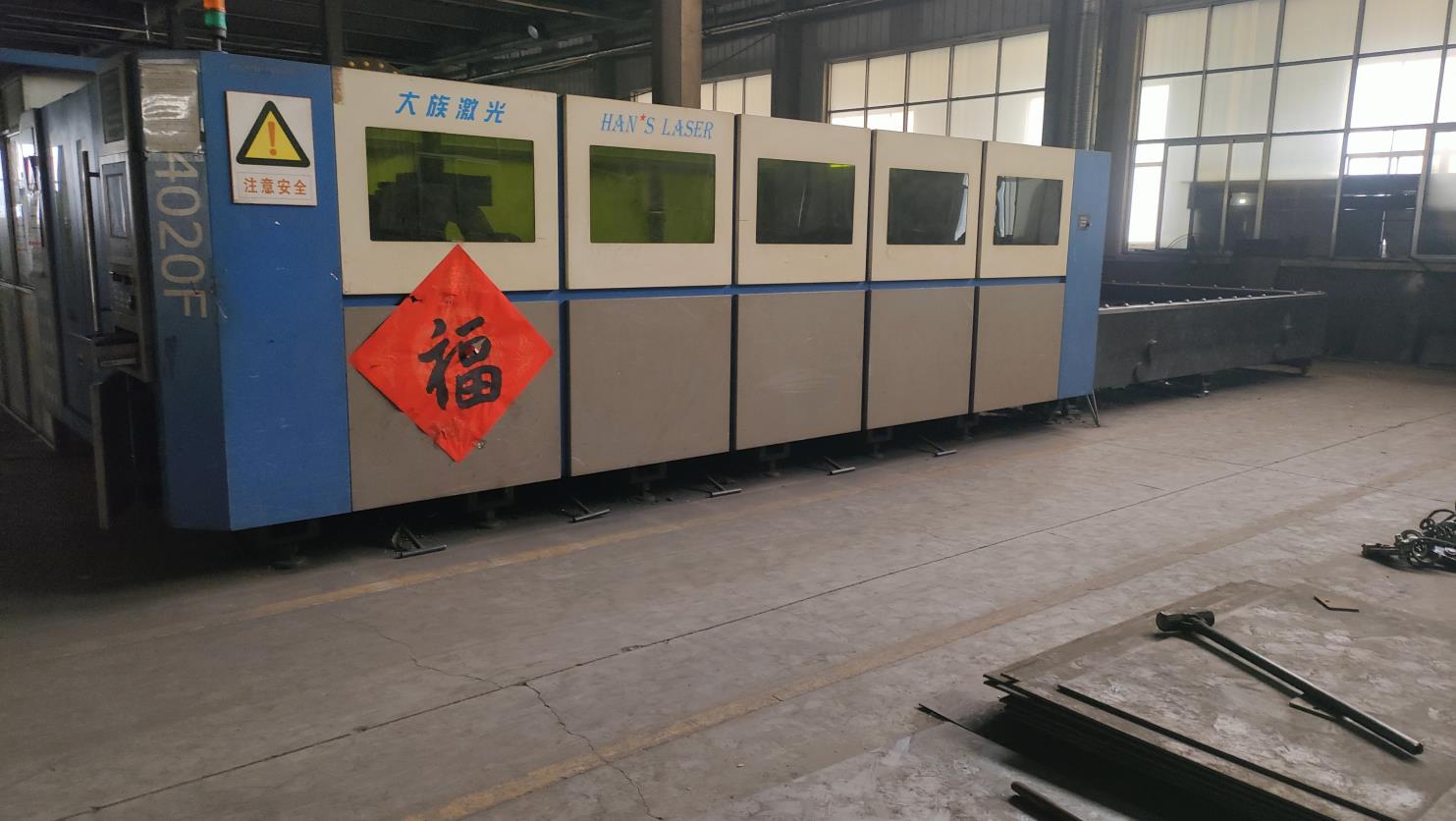
Laser Cutting
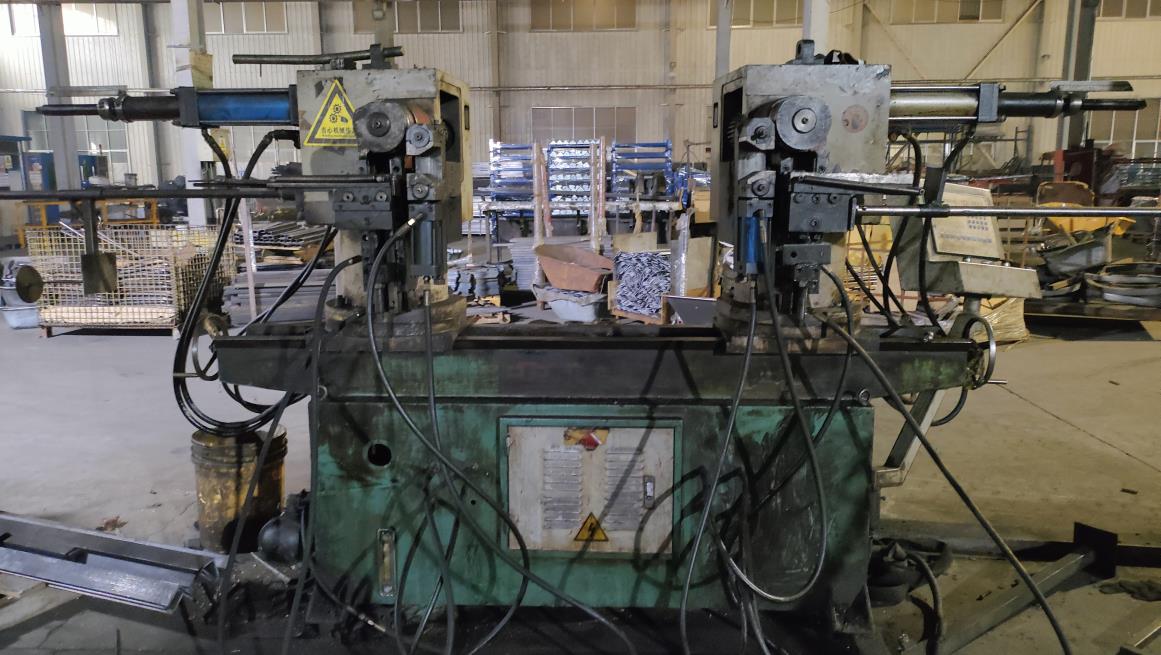
Bending Machine
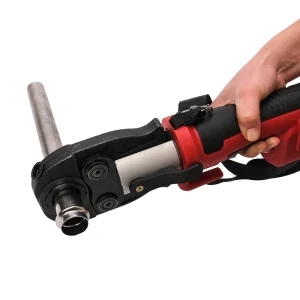
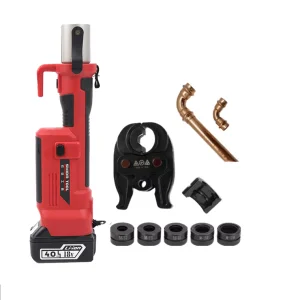
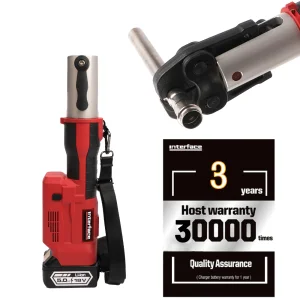
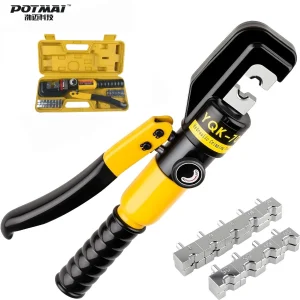
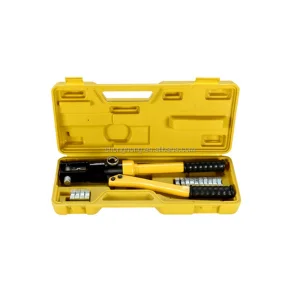
Our hydraulic crimping tools (YQK series) are widely used by TCN (Transmission Company of Nigeria) contractors for high-voltage cable terminations in substations across Kano and Ibadan.
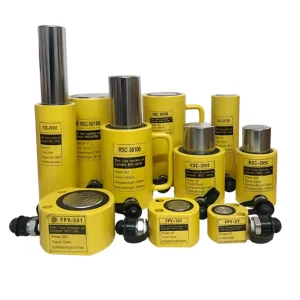
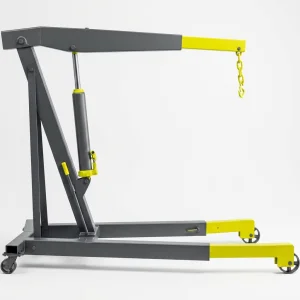
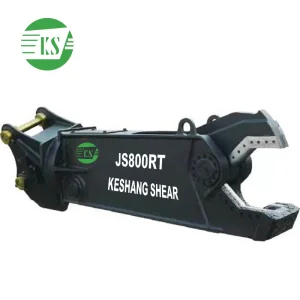
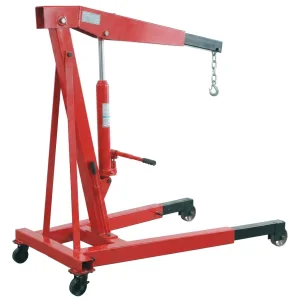
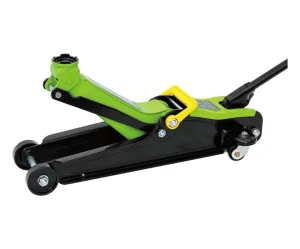
Hydraulic jacks and concrete shears are essential for the skyscraper boom in Eko Atlantic City, providing the force necessary for demolition and structural lifting.
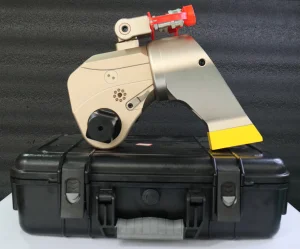
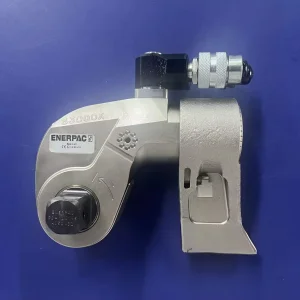
During refinery maintenance shutdowns (TAR), our 70MPa hydraulic torque wrenches ensure leak-free flange connections in critical pipeline infrastructure.
The global hydraulic tool industry is moving toward "Smart Hydraulics." We are currently developing tools with Bluetooth connectivity that allow Nigerian project managers to track the number of crimps and the exact pressure applied via a smartphone app. This provides an audit trail for quality control on major infrastructure projects, reducing human error and increasing safety.
Furthermore, the shift toward Li-ion Battery Ecosystems means that a single battery type can power crimpers, cutters, and wrenches, drastically reducing the equipment footprint for mobile service teams operating across the 36 states of Nigeria.
1. How do I choose the right hydraulic crimping force for Nigerian standard cables?
For most Nigerian power distribution projects involving 240mm² to 400mm² cables, a tool with at least 12 to 16 tons of force (or 32KN for battery versions) is recommended to ensure a gas-tight connection that prevents overheating in high temperatures.
2. Can you provide custom OEM services for large construction firms in Nigeria?
Yes, we offer full OEM and ODM services. We can customize tool specifications, color schemes, and branding (logo engraving) for major industrial contractors in Lagos, Abuja, and beyond.
3. What is the typical shipping lead time from China to Apapa or Tin Can Island ports?
Typically, production takes 15-25 days depending on order size. Shipping via sea freight usually takes 35-45 days to reach Nigerian ports. We provide all necessary documentation including SONCAP certifications.
4. Are your battery-powered tools compatible with local Nigerian voltage?
Our battery chargers are designed for global voltage (110V-240V). For the Nigerian market, we provide chargers with the UK-standard Type G plug, ensuring compatibility with local power outlets without needing adapters.
Get a comprehensive quote today and empower your next industrial project with precision engineering.
Request Your Customized Solution Now