Karam Tools
Karam Tools
Karam Tools
In modern macro-infrastructure projects, municipal utility management, and commercial high-density engineering, the choice of plumbing instruments dictates structural lifespan, operational efficiency, and fault mitigation safety metrics. As fluid control frameworks migrate rapidly toward IoT-driven architectures, international procurement teams demand more than baseline component manufacturing. The modern procurement standard demands robust metrological reliability, advanced materials science compliance, and exhaustive regulatory documentation.
China's industrial manufacturing ecosystem has shifted away from high-volume, generic hardware replication toward highly specialized, digitally integrated calibration technologies. Today, a premier China plumbing instruments factory and exporter functions as an integrated R&D partner capable of fabricating high-tolerance instrumentation, complex valve bodies, flow-rate telemetry systems, and specialized industrial tools. These components must withstand continuous cavitation stress, high thermal gradients, and aggressive electrochemical corrosion profiles across their complete multi-decade duty cycles.
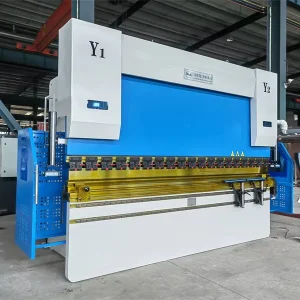
Anchoring the technological leap in the hardware, industrial tooling, and instrumentation subsystem sector is Zhejiang Karam Tools Co., Ltd. As a comprehensive manufacturing enterprise, the organization is built around the strict research, rigorous development, physical production, and optimized global distribution of high-capacity structural equipment and professional industrial tools. With a deep foundation in high-tolerance metalwork and hardware engineering, the company has methodically scaled its production capabilities, expanding its technical footprint across highly demanding domestic markets and strictly regulated international jurisdictions.
Guided by the strict principles of “Quality First, Innovation-Driven Development, and Customer Orientation,” Zhejiang Karam Tools Co., Ltd. has established a verifiable international reputation for high-reliability components, exceptional mechanical stability under extended stress profiles, and rapid-response technical engineering service. Its highly integrated product matrix is exported to major economic regions worldwide, backed by long-term strategic supplier agreements with tier-one industrial distributors, utility network operators, and specialist enterprise procurement agencies.
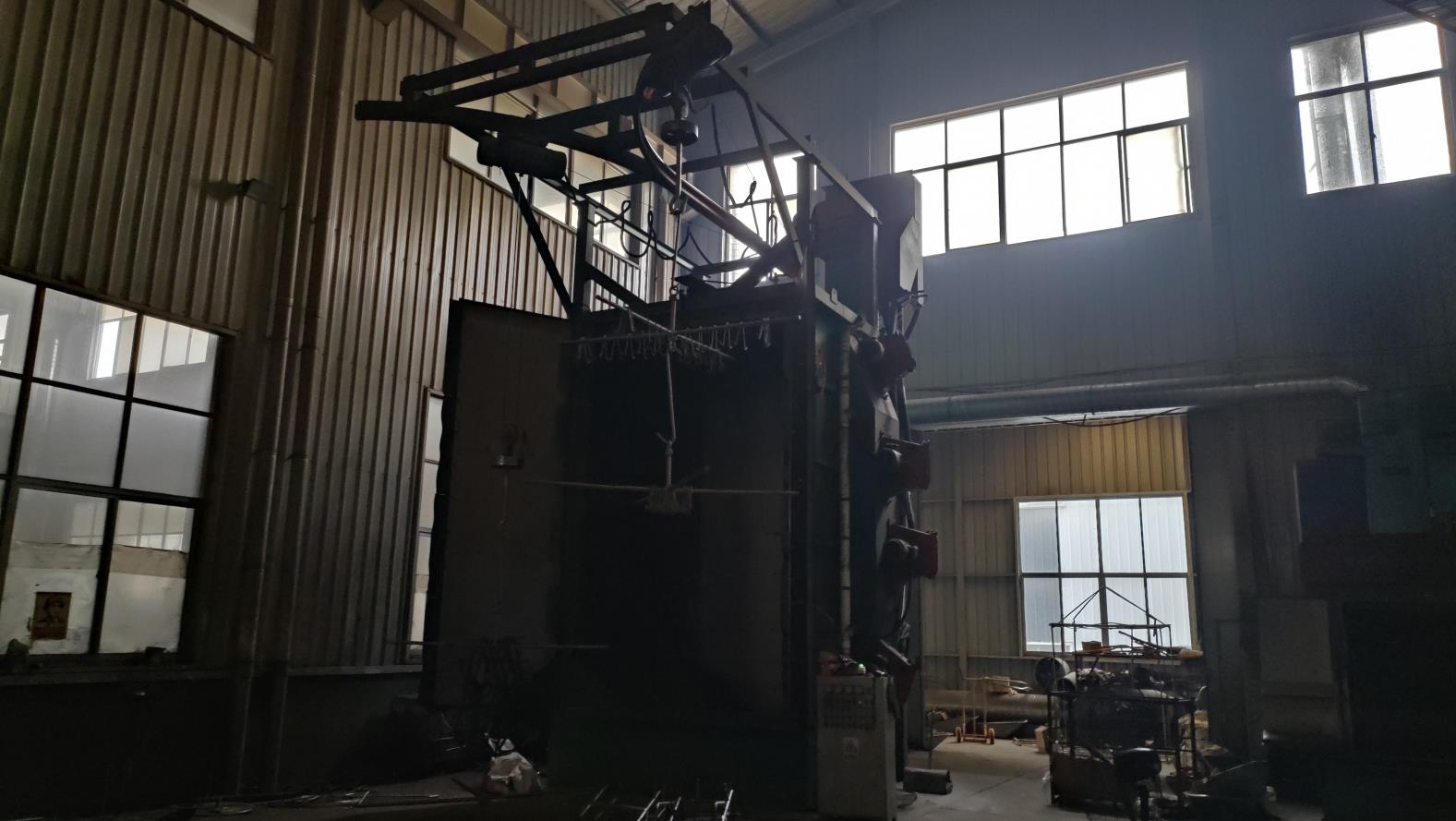
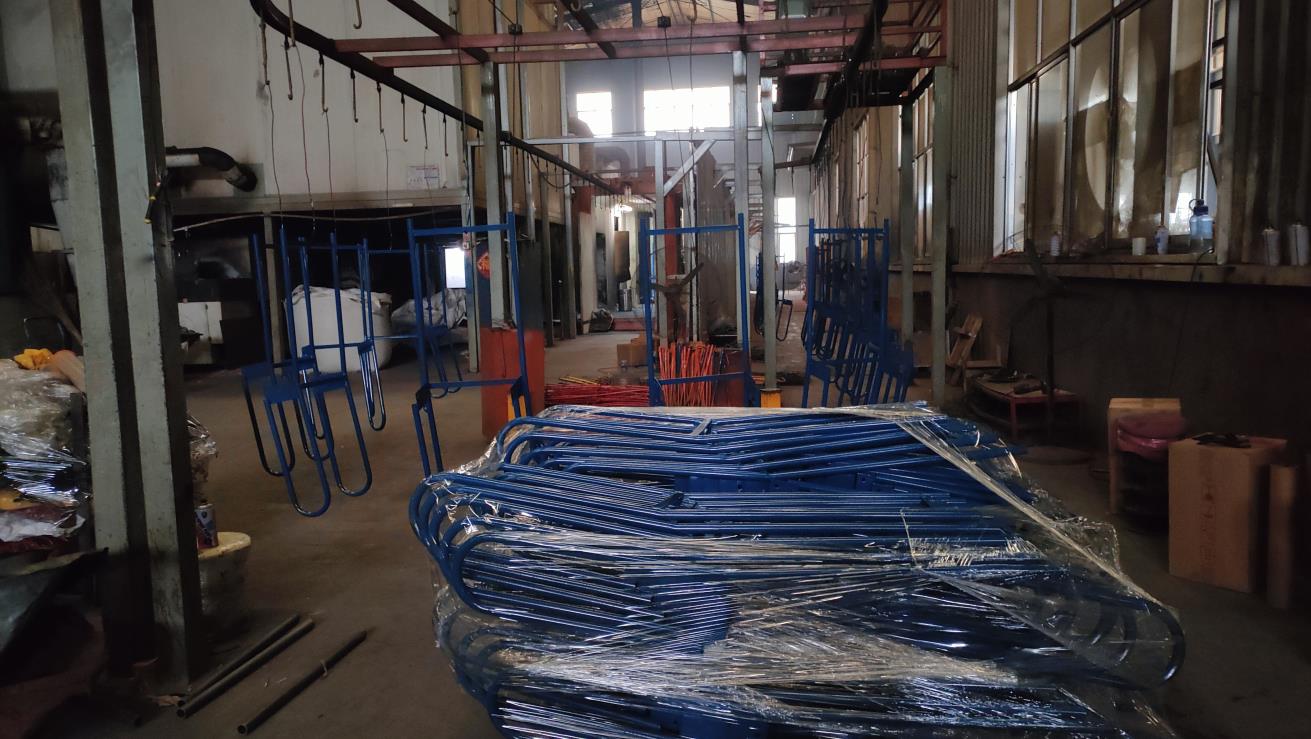
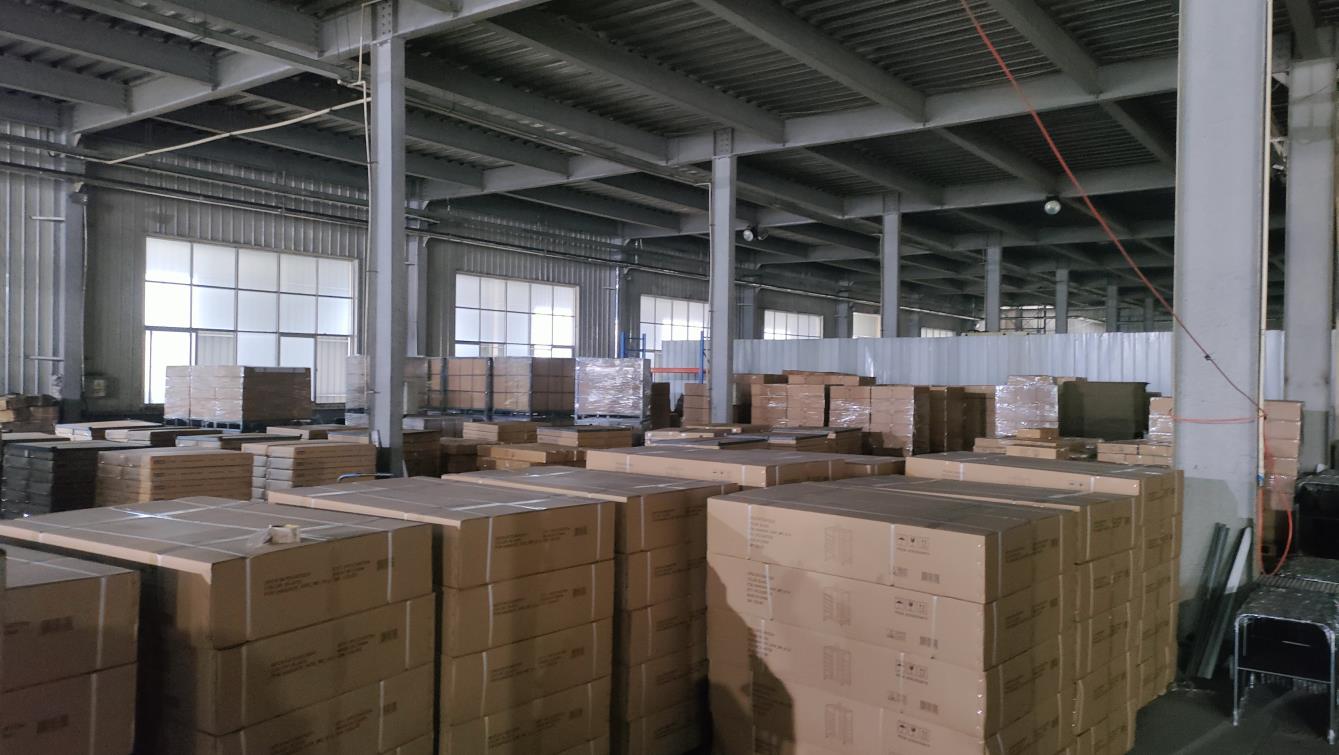
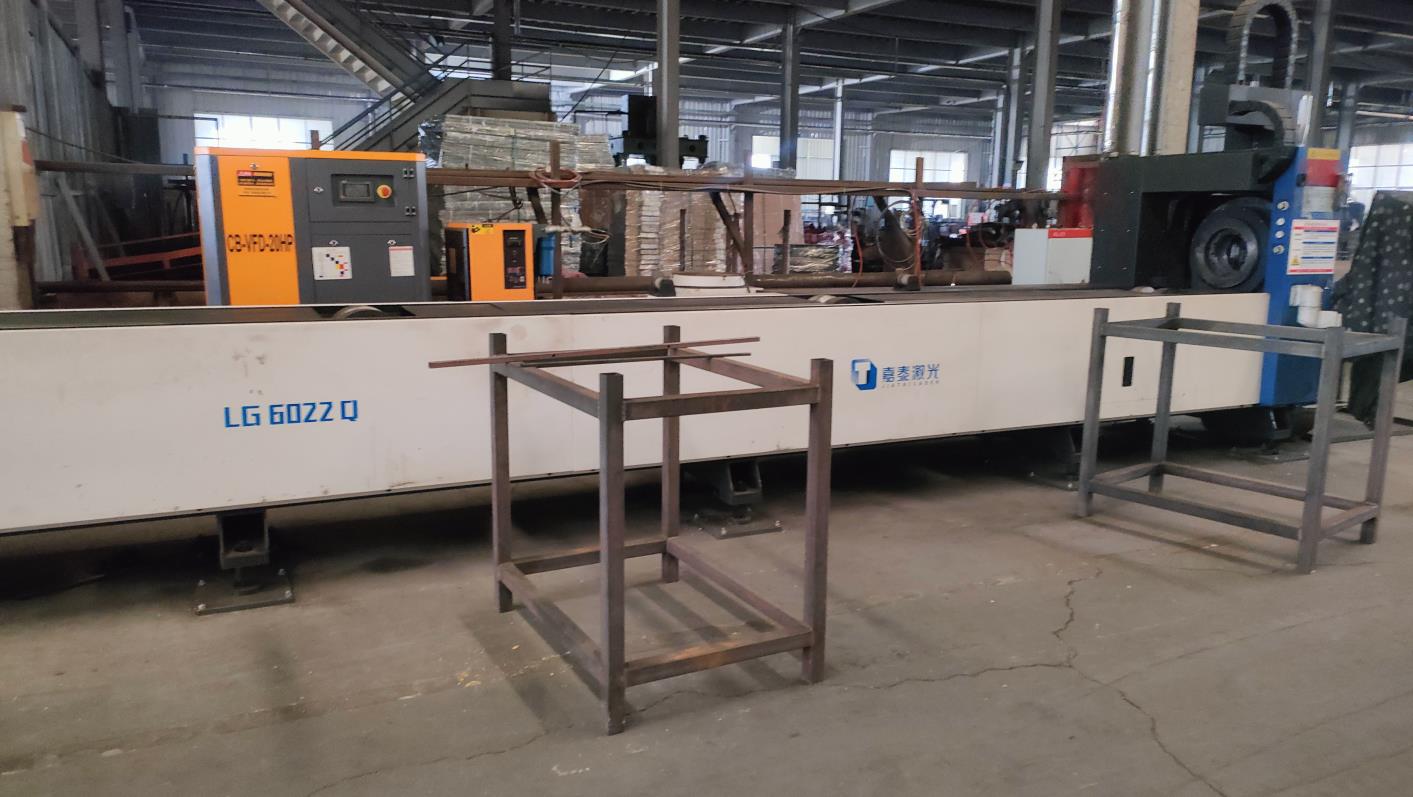
The manufacturing infrastructure of Zhejiang Karam Tools Co., Ltd. spans a modern, highly structured industrial complex specifically engineered for optimized workflow automation and linear material trace control. Operational zones are strictly isolated into dedicated sectors: raw material verification storage, heavy CNC machining and precision structural fabrication, ultrasonic and mechanical quality inspection protocols, and micro-climate controlled final packaging bays. This systematic layout entirely eliminates cross-contamination risks and guarantees absolute component traceability throughout the manufacturing cycle.
The migration from passive analog dials to active digital telemetry. Future plumbing instruments incorporate ultra-low-power micro-electro-mechanical systems (MEMS) sensors capable of broadcasting real-time flow rate, temperature fluctuations, and localized pipe cavitation stresses to cloud-based predictive maintenance dashboards.
Deploying advanced lead-free brass formulations, specialized grade 316L stainless steels, and titanium-stabilized polymer matrix composites. These materials resist the aggressive chemical scouring of modern water treatment compounds while entirely preventing heavy metal leaching into potable supply networks.
Integrating micro-acoustic wave sensors directly inside high-pressure fluid valves and metering devices. By applying machine learning algorithms to local fluid vibration frequencies, the system isolates and flags micro-fractures down to 0.1 mm within municipal pipelines before a structural blowout occurs.
Continuous innovation remains the absolute core long-term development driver for premier Chinese factories. The engineering engineering teams at Zhejiang Karam Tools Co., Ltd. continually explore new metallurgical boundaries, structural stress optimizations, and semi-automated production methodologies to steadily enhance tool performance, long-term operational durability, and field-user ergonomics. In the field of high-capacity electro-hydraulic mechanisms, for instance, localized improvements in system efficiencies and energy-saving configurations have significantly elevated international market competitiveness.
Modern plumbing instrumentation cannot be evaluated in isolation; it must be engineered to interface seamlessly within vast, integrated industrial and civil fluid systems. Chinese manufacturing facilities now design comprehensive end-to-end solutions customized specifically for high-stress industrial applications:
By shifting focus from independent unit sales to holistic, end-to-end fluid management packages, premier Chinese exporters assist global EPC (Engineering, Procurement, and Construction) contractors in radically reducing deployment timelines while maximizing asset life performance ratios.
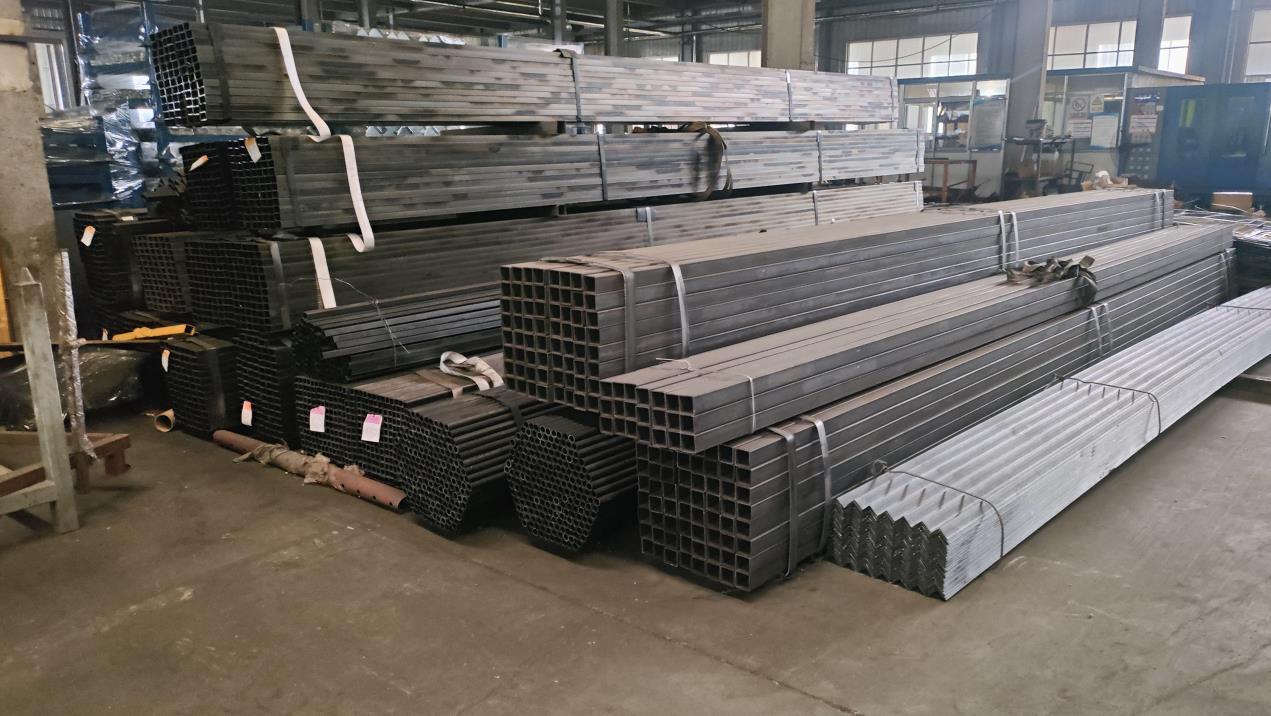
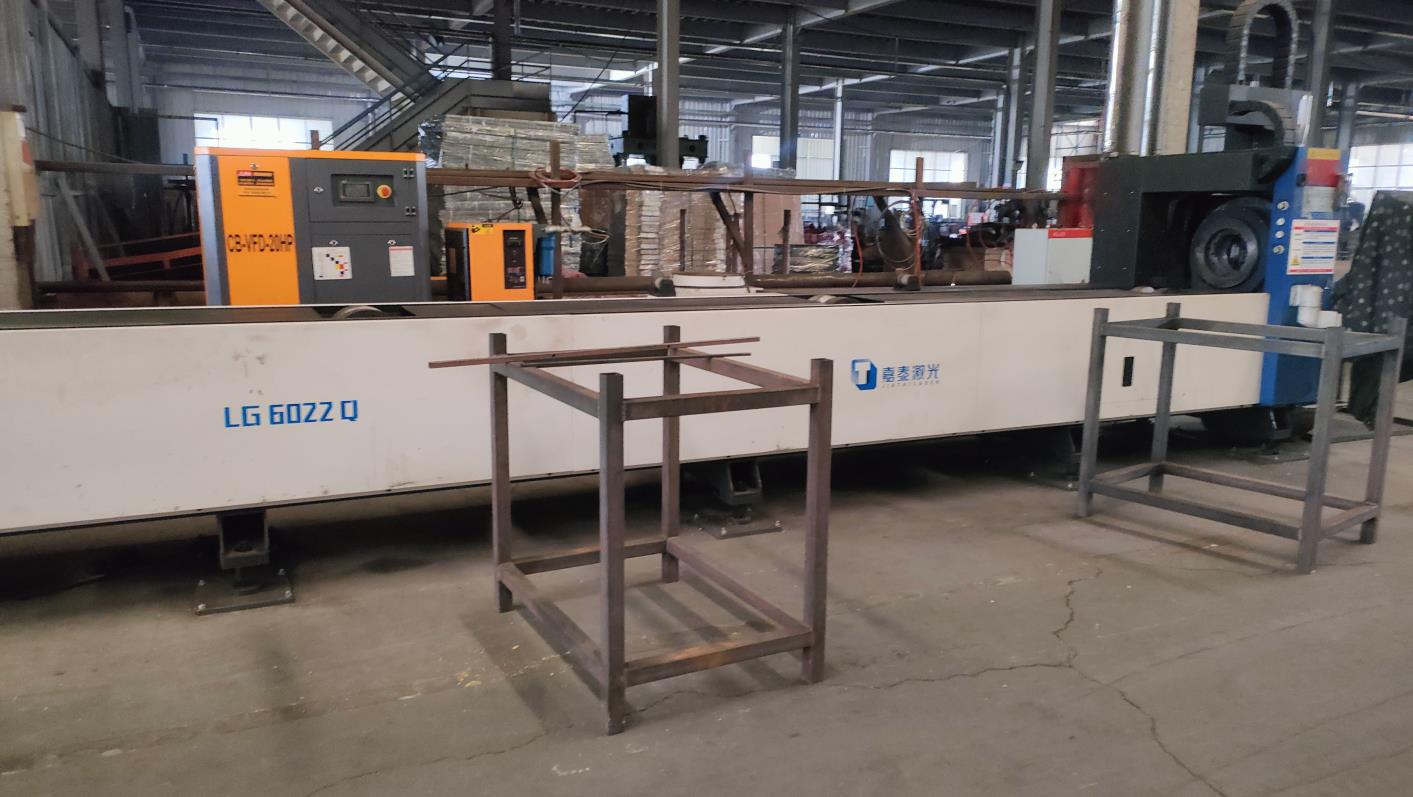
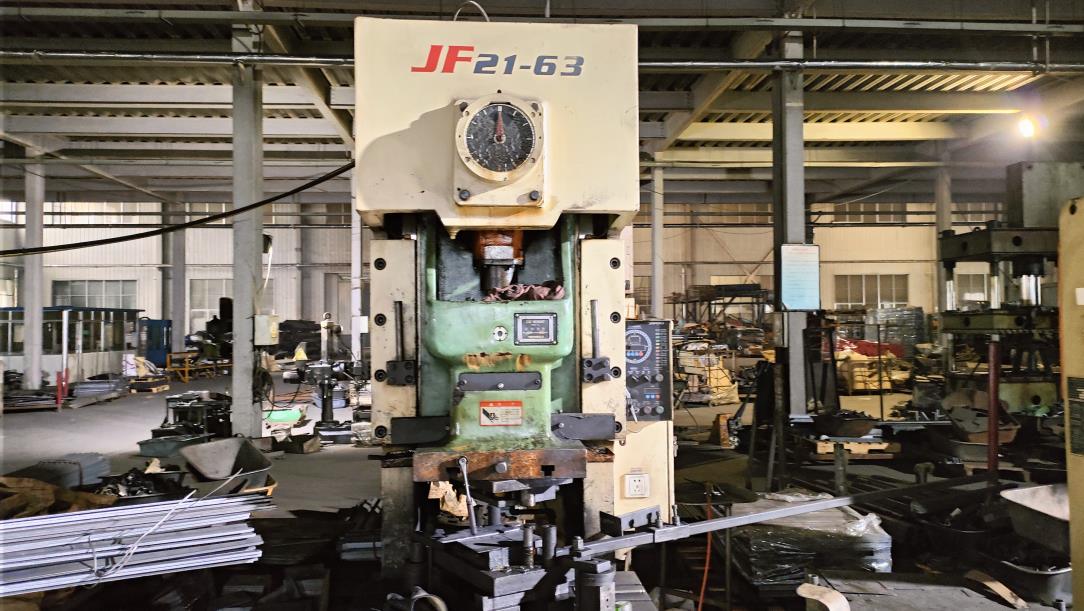
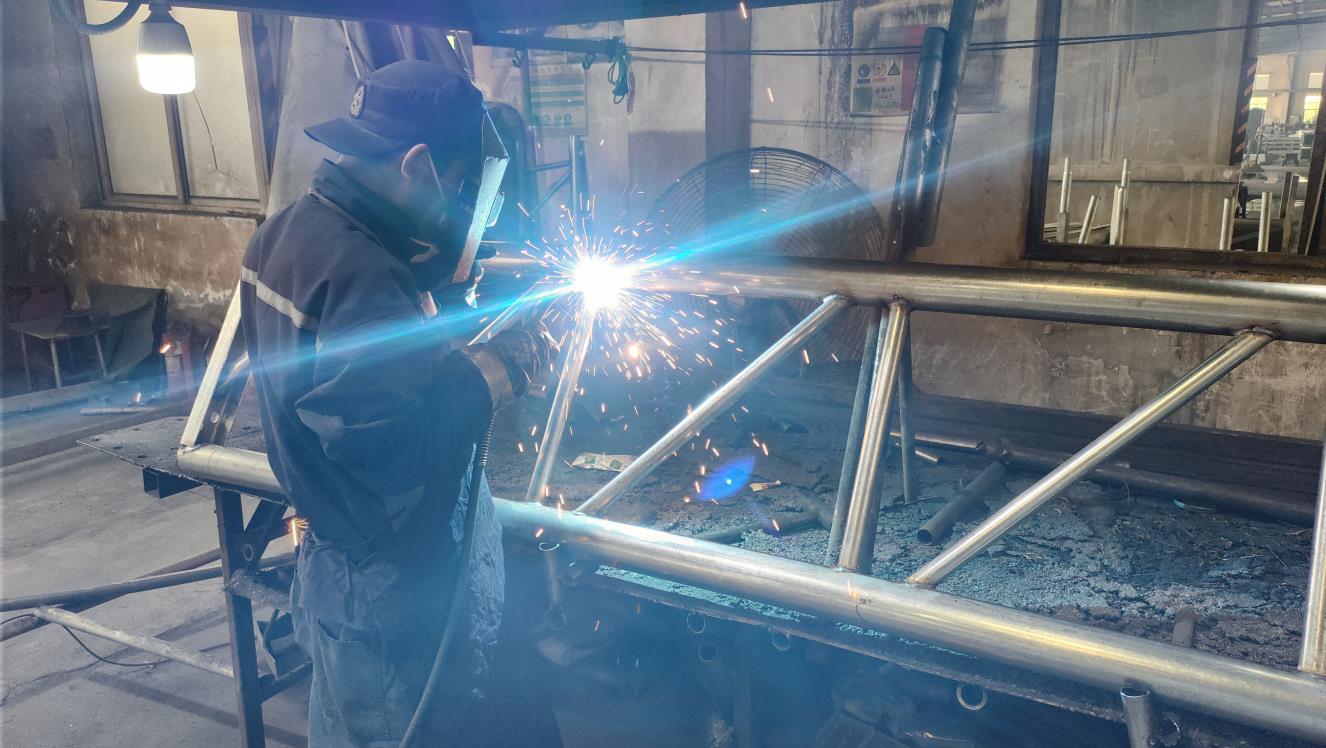
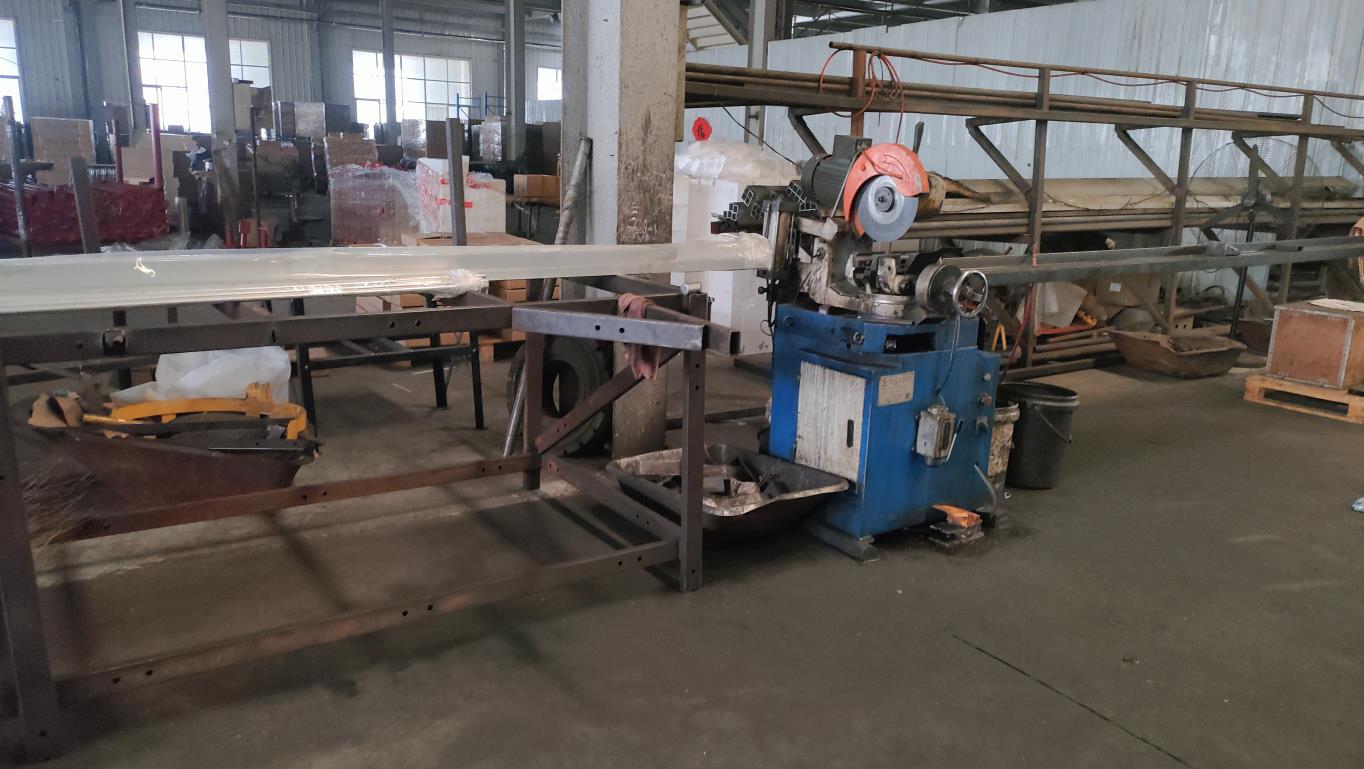
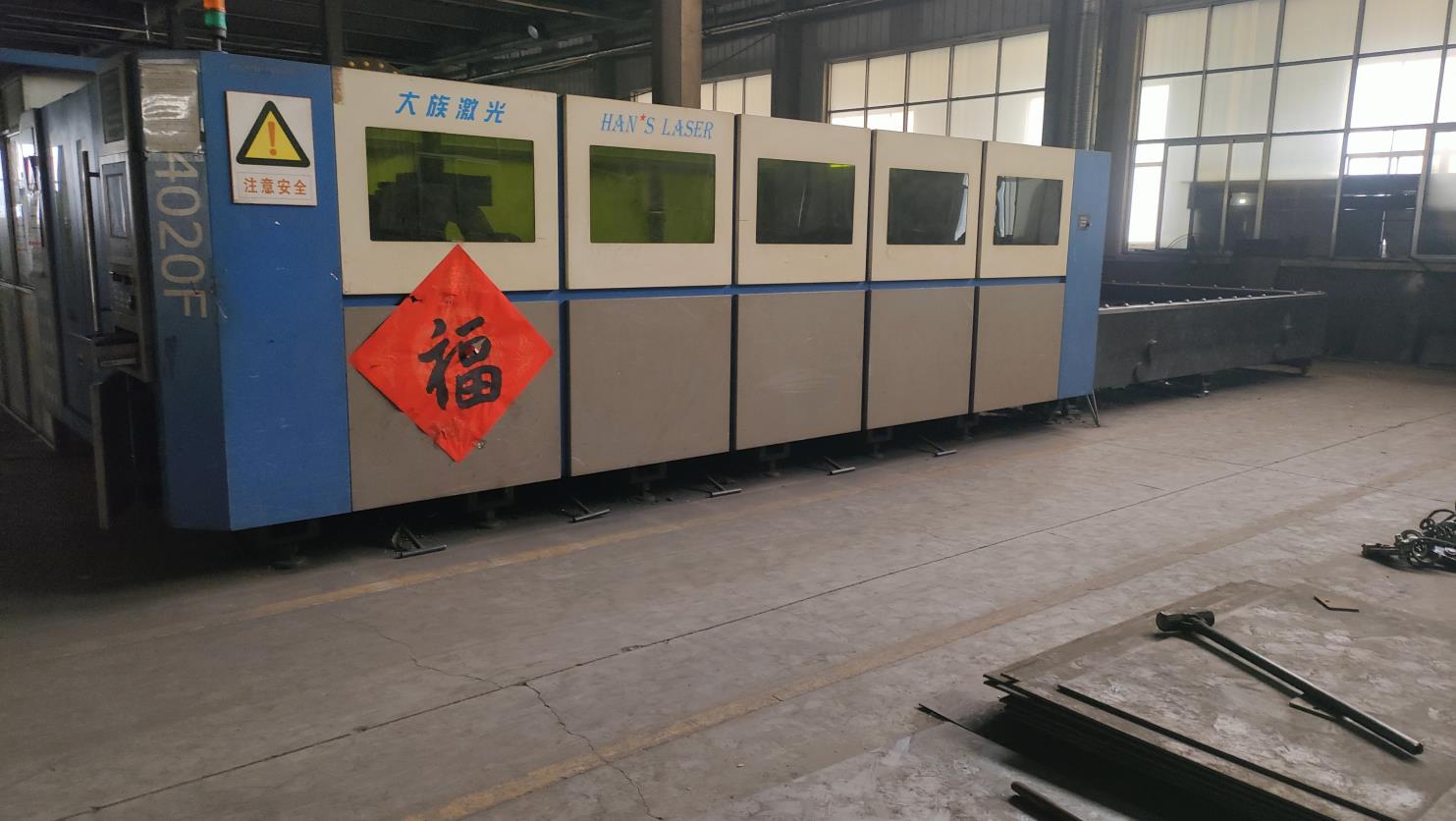
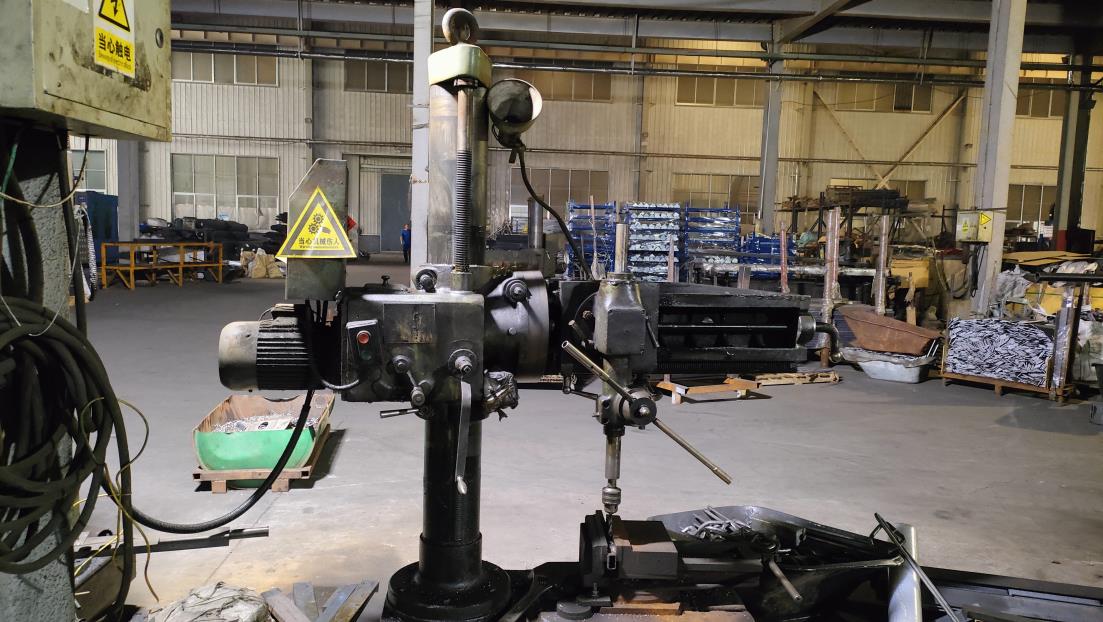
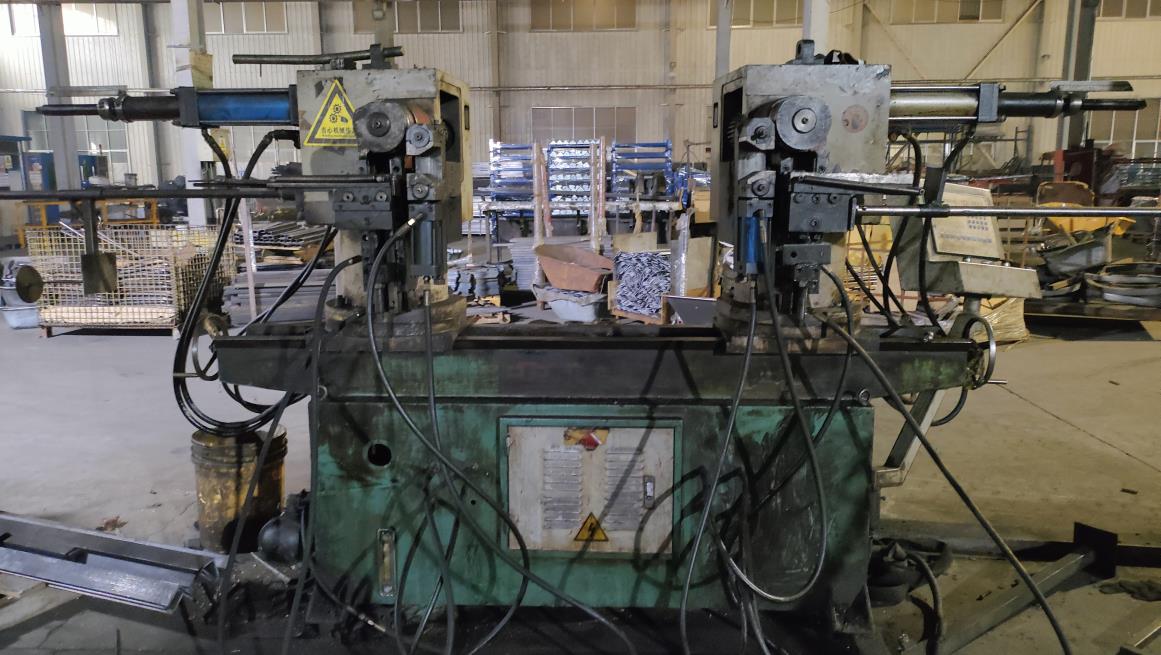
For international supply chain directors, industrial sourcing is no longer merely an exercise in minimizing the raw unit price. It represents a complex evaluation of the Total Cost of Ownership (TCO), which includes lead times, freight security, compliance verification costs, failure rates, and engineering support overheads. Premier Chinese factories optimize these factors by providing deep integration options:
Comprehensive OEM & ODM Customization: Industrial fluid networks often require custom dimensions, special thread pitches (NPT, BSPT, G-threads), or specialized electronic communication interfaces (Modbus, Profibus, HART protocol). Leading facilities deploy in-house engineering squads that translate custom client blueprints into scalable production models, ensuring the resulting hardware interfaces seamlessly with legacy infrastructure systems.
Predictable Logistics & Strategic Resilience: Operating from primary industrial clusters adjacent to major international deep-water ports (Ningbo-Zhoushan, Shanghai), top exporters secure robust transit continuity. Furthermore, by maintaining deep strategic stockpiles of certified alloy raw materials, these factories insulate global buyers from sudden macroeconomic supply-chain shocks, guaranteeing strict delivery timelines even during turbulent market contractions.
To safely clear customs frameworks and integrate smoothly into regional water utility grids, plumbing instruments must strictly comply with regional environmental and mechanical standards. Top-tier factories operate with full regulatory transparency, maintaining a deep portfolio of international certifications:
In North American markets, components comply fully with the stringent requirements of NSF/ANSI 61 and 372, certifying lead-free formulation and safety across all potable water instrumentation. For European deployments, products feature full CE markings along with specialized WRAS (Water Regulations Advisory Scheme) approvals, verifying adherence to rigorous localized safety and durability thresholds under high operational pressures.
Furthermore, by offering fully localized technical support documentation, bilingual engineering schematics, and secure digital product pass-key tracking, Chinese exporters ensure international engineering teams can confidently deploy their systems within strictly audited municipal and institutional environments without delay.